The Easiest Way to Eat More Plant Protein Is to Stop Saving It for Dinner
Plant-based protein gets much easier when it shows up in ordinary meals instead of aspirational recipe plans. A smarter approach is to build breakfast, lunch, and dinner around pantry basics you’ll actually use.
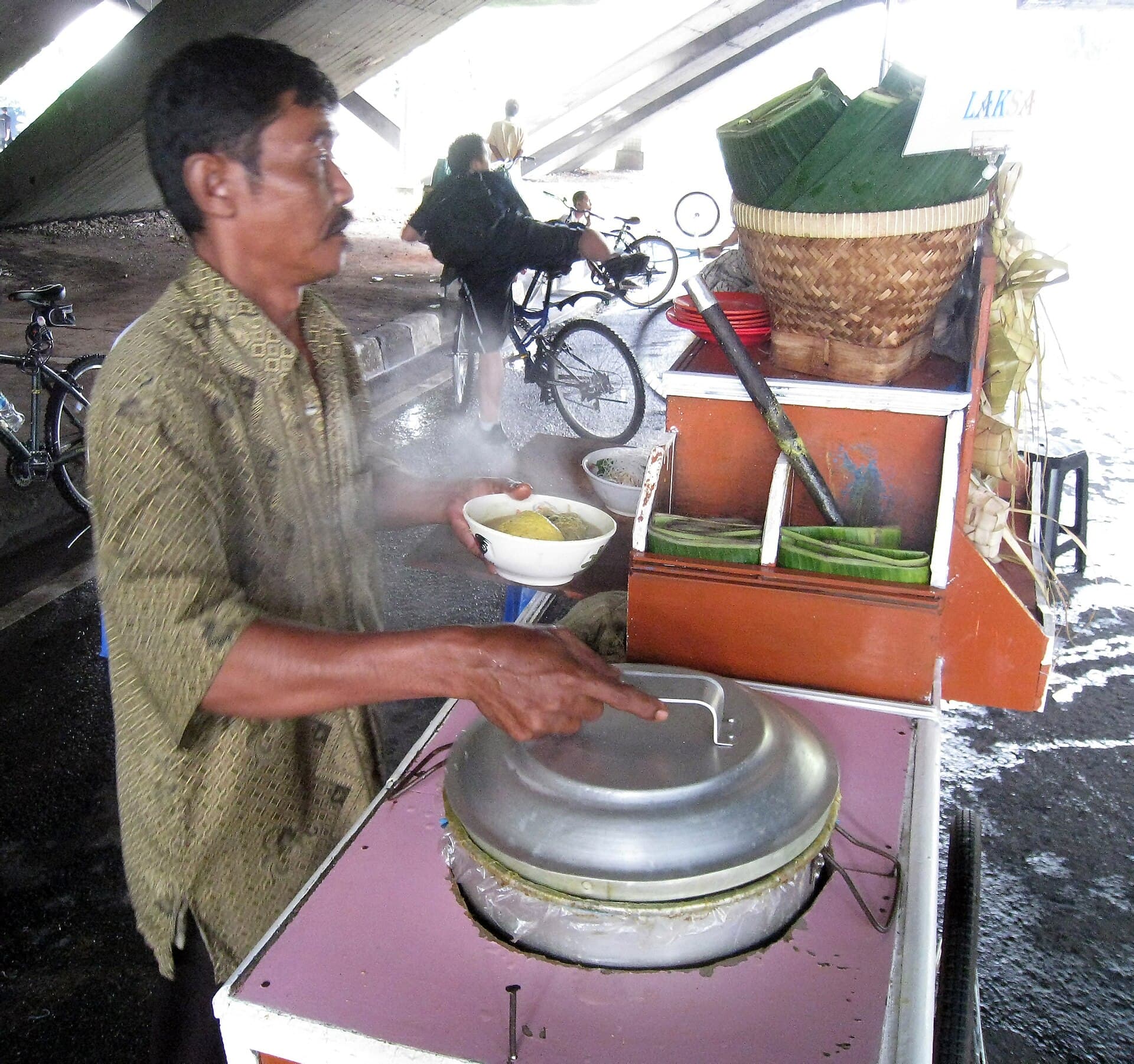
A lot of people treat plant-based protein like a dinner project: maybe tofu stir-fry if there’s time, maybe lentils on a good week. That’s exactly why it can feel harder than it needs to be. The more practical move is to spread it across the meals you already make, so you’re not relying on one virtuous, elaborate dinner to carry the whole day.
Breakfast is the easiest place to improve because it’s often the most repetitive. If your morning meal is mostly toast or cereal, adding protein can be as simple as stirring nut butter into oatmeal, blending soy milk into a smoothie, or piling beans and avocado onto a savory breakfast wrap. None of that requires a personality transplant or a special shopping trip; it just means choosing ingredients that work harder.
Lunch is where leftovers and convenience foods can quietly save you money. Grain bowls, soups, chopped salads, and wraps all get more satisfying when you add chickpeas, edamame, baked tofu, or lentils from the fridge. This is also where store-bought shortcuts earn their keep: a bag of frozen shelled edamame or a carton of pre-cooked lentils can turn a random collection of vegetables into a real meal instead of a side dish pretending to be one.
By dinner, the goal doesn’t have to be perfection or imitation meat every night. A bean-heavy chili, peanuty noodles with tofu, or a tomatoey lentil pasta sauce can be affordable, filling, and easy to repeat. The best plant-protein routine is usually the least glamorous one: a few reliable ingredients, used often, in meals you’d want to eat even if nobody called them healthy.
Photo: Gunawan Kartapranata via Wikimedia Commons (CC BY-SA 4.0).

Related stories

Why a Huge Menu Still Feels Like a Treat Right Now
When dining out feels expensive, restaurants with something for everyone can seem surprisingly practical. The real question isn’t whether every dish is memorable, but whether the overall experience delivers on comfort, portions, and flexibility.
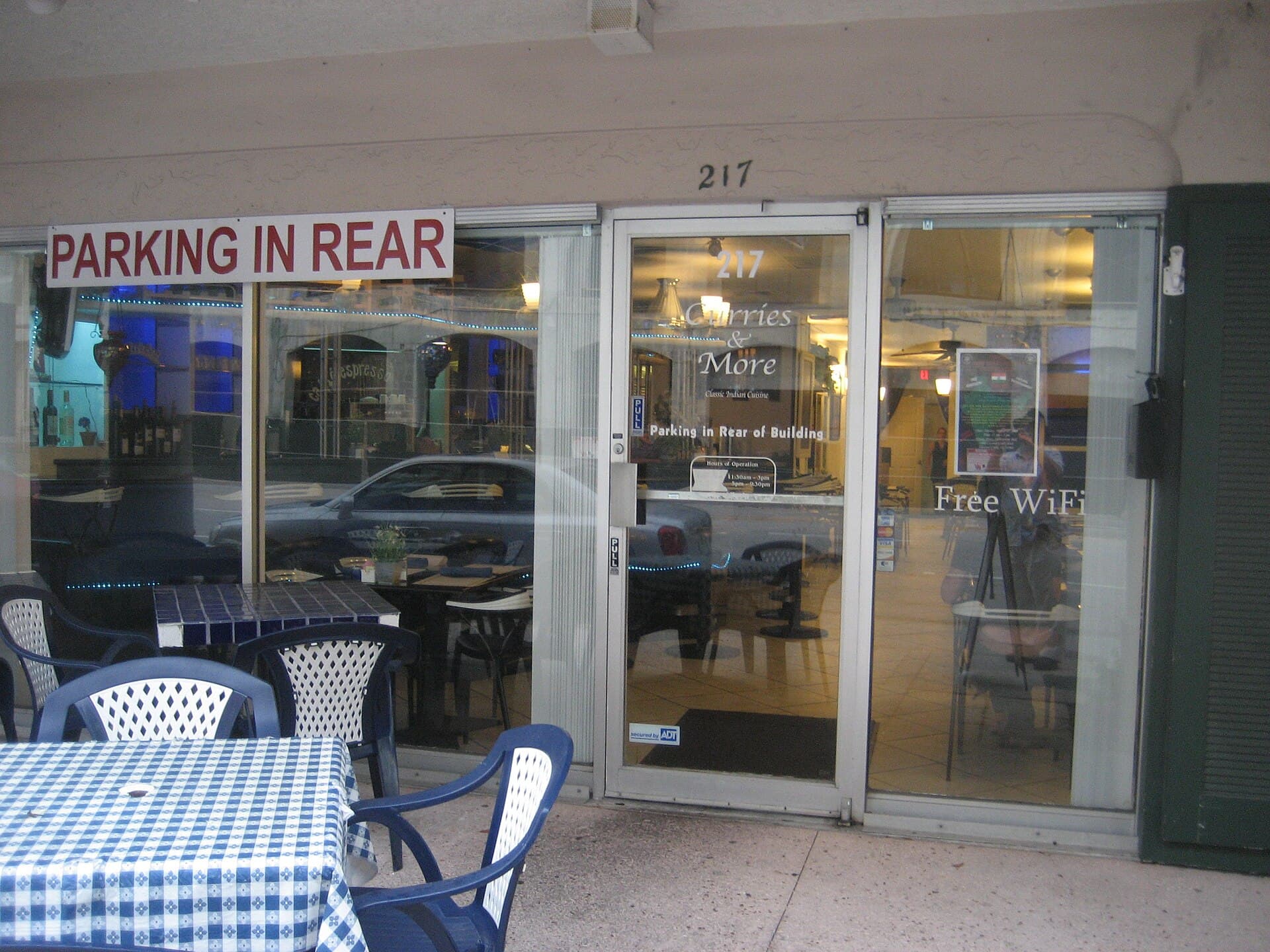
When a Beachside Restaurant Goes Dark, the Smart Move Is Having a Backup Favorite
A sudden restaurant shutdown is a reminder that vacation dining plans can change fast. The best beach-town food strategy is simple: keep a backup spot, stay flexible, and let the detour lead you somewhere local.
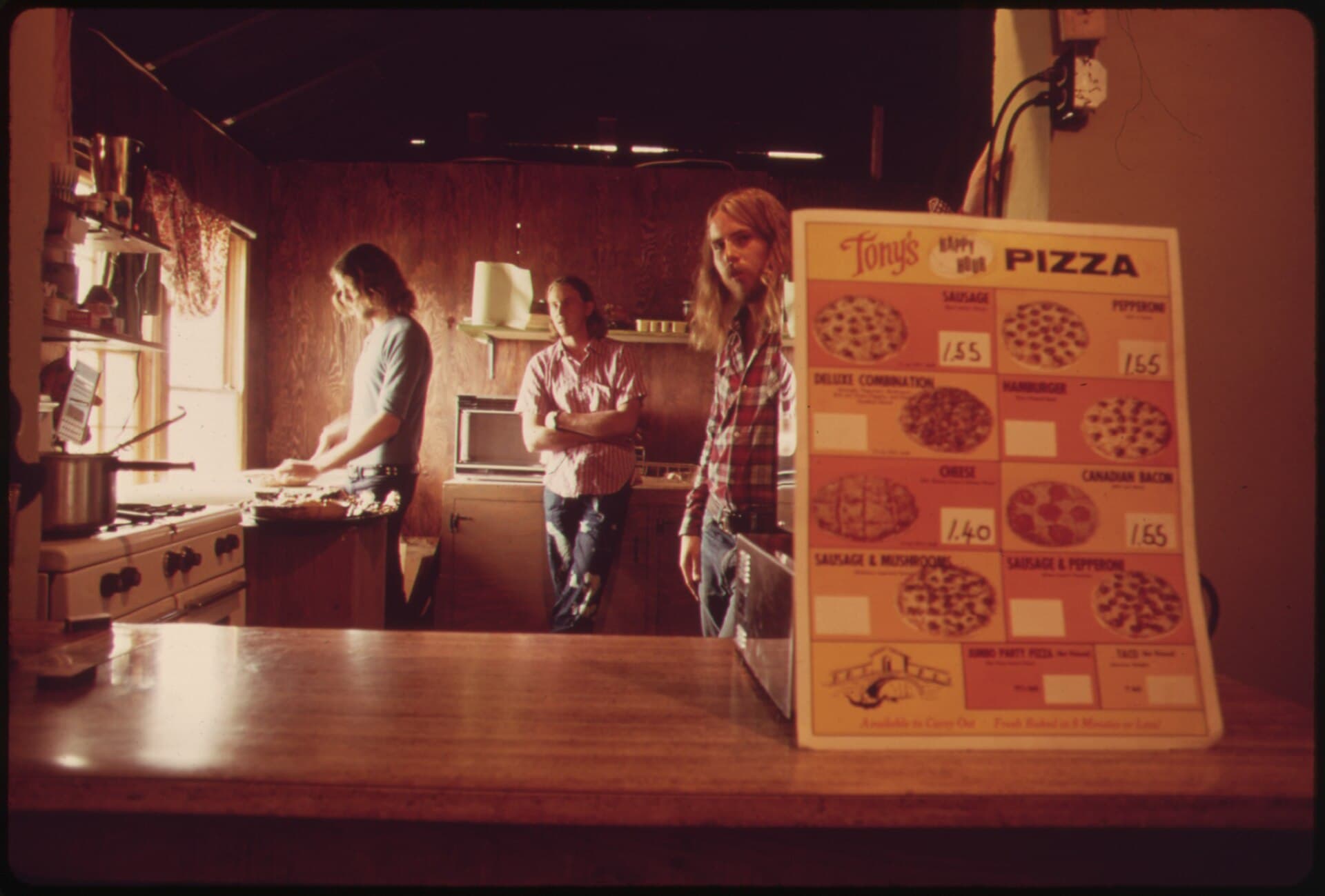
Why Celebrity Chef Visits Make College Town Dining More Interesting
When a familiar food TV face shows up in a college town, the real story is what it says about local dining. These visits can spotlight the places, flavors, and casual food culture that make campus communities worth eating through.