The Foldable Phone Question Isn’t the Camera — It’s Whether You’ll Actually Use the Extra Screen
The latest foldable buzz is easy to turn into a camera story, but for most shoppers the real issue is simpler: will a larger pocketable screen improve everyday life enough to justify the switch? That answer depends less on specs and more on habits.

Every new foldable announcement tends to spotlight the flashiest feature, and this time it’s easy to get pulled into the camera conversation. But for most US buyers, the more practical question is whether a foldable changes the way you use your phone from morning to night. If you mostly text, scroll, snap occasional photos, and stream on the couch, the value of a foldable lives or dies on convenience, not bragging rights.
That bigger inner display can be genuinely useful if you answer email on the go, read long articles, review documents, or like running two apps side by side without squinting. A foldable can feel like a phone that occasionally becomes a tiny tablet, which is still a compelling idea for commuters, frequent travelers, and anyone trying to carry one less device. But if your current phone already disappears into your routine, adding a hinge doesn’t automatically make life easier.
There’s also the everyday reality check. Foldables still ask buyers to accept a different shape in the pocket, a more delicate-feeling form factor than a standard slab phone, and the possibility that the novelty wears off faster than expected. For some people, opening the device becomes second nature; for others, it becomes one more step between them and the thing they wanted to do in the first place.
The smartest way to shop this category is to ignore launch-week hype and think about friction. Would a larger screen help you work, read, or watch often enough to matter several times a day? If yes, a foldable may finally be practical rather than futuristic. If not, the best deal may be keeping a conventional phone a little longer and waiting for foldables to become less of a statement piece and more of an obvious everyday tool.
Photo: USARJ NCO CORPS via Wikimedia Commons (CC BY 2.0).

Related stories
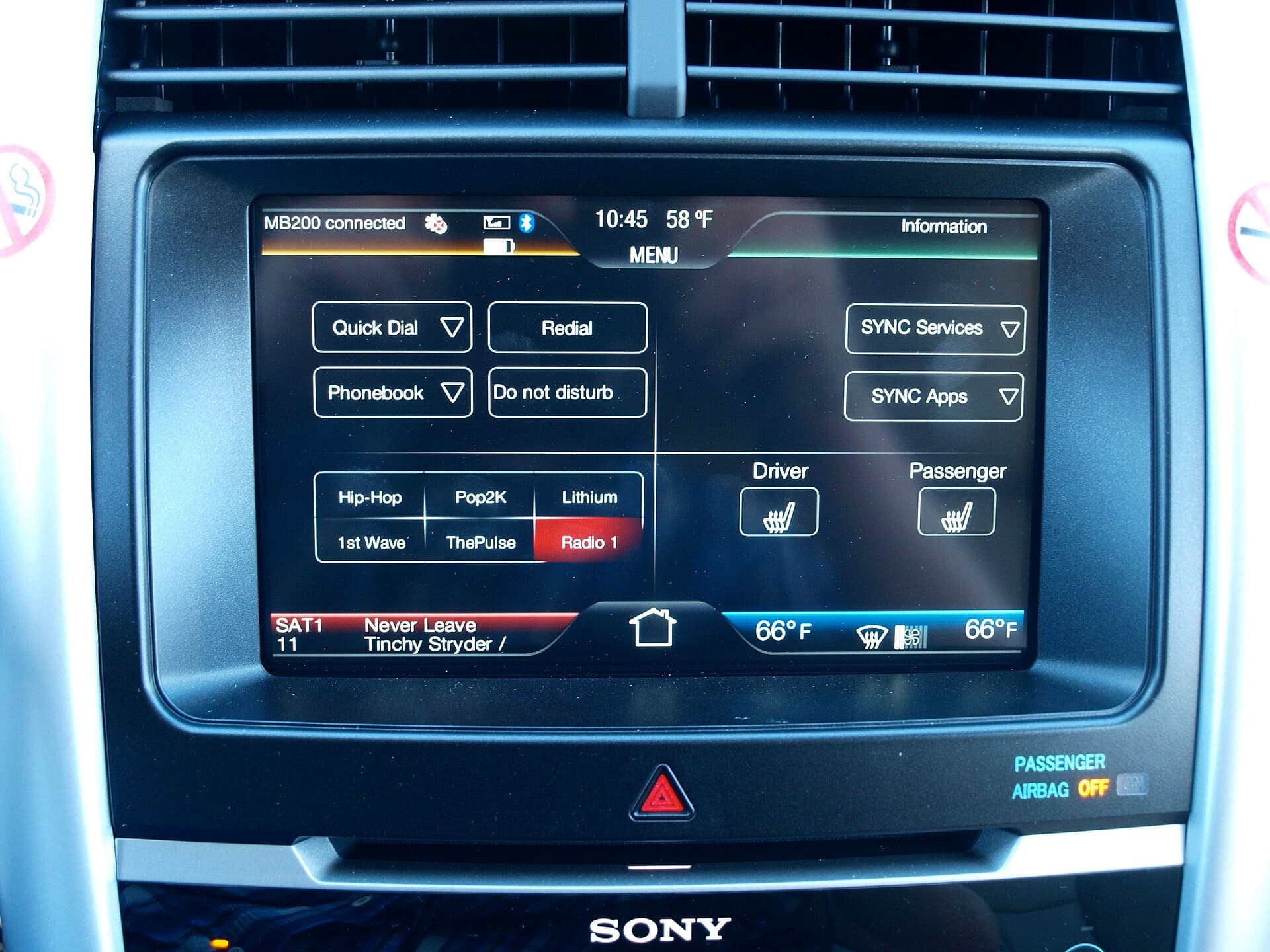
Why Your Next Car Upgrade May Look More Like a Tablet
The next wave of car tech is less about horsepower and more about screens, sensors, and software. For US shoppers, that means paying closer attention to what happens inside the cabin before signing the paperwork.
Why a Tech Pullback Can Be a Better Time to Shop Smart
When market nerves hit tech, shoppers don’t need to become traders to benefit. A cooler mood around the sector can be a good reminder to buy devices for usefulness, not hype, and to watch for quieter value.
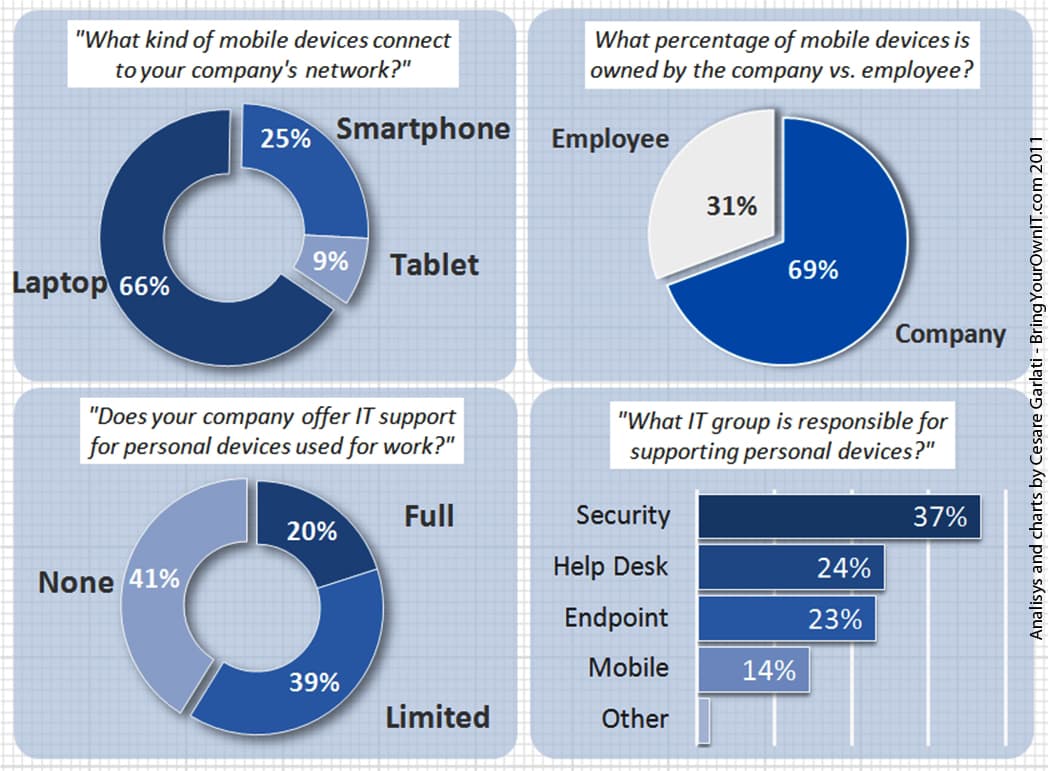
When Tech Stocks Sink, Your Gadgets Don’t Have To
A rough day for tech shares can make the whole industry feel shaky, but for shoppers it’s often a reminder to buy more deliberately. The smartest move is focusing on support, durability, and timing instead of market drama.