How to Do a Big Food Festival Without Wrecking Your Day
A giant tasting event can be fun or exhausting, depending on how you pace it. The smartest move is to treat a food festival like a long afternoon of selective snacking, not an all-day eating challenge.
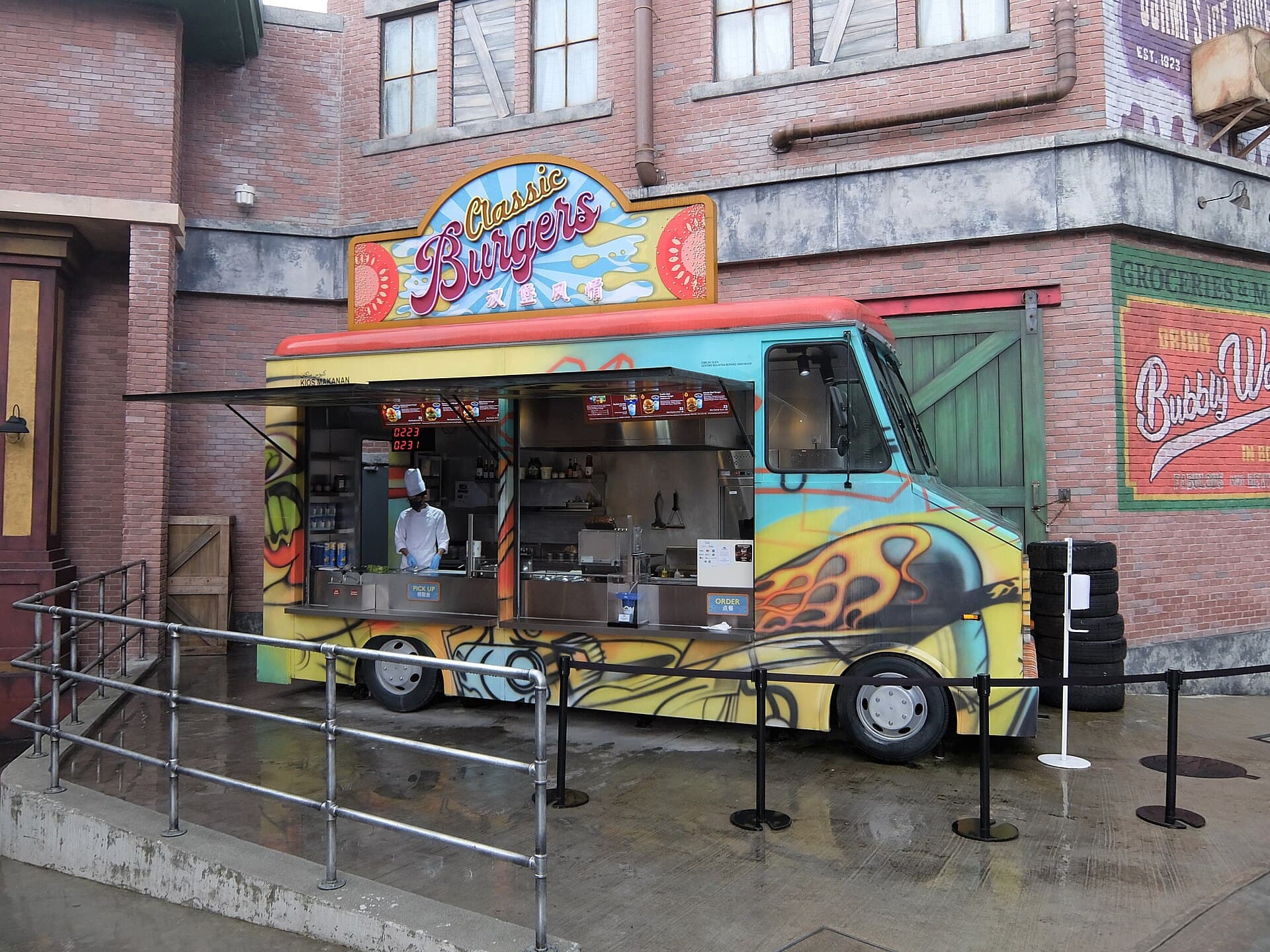
Large food festivals are easiest to enjoy when you stop thinking like a completist. The temptation is to chase every limited-time bite, but that usually turns a fun outing into a long line marathon with sore feet and a fuzzy memory of what actually tasted good. A better plan is to pick a few dishes you really want, leave room for surprises, and accept that skipping some booths is part of having a better day.
For most people, the sweet spot is alternating richer items with something lighter and sharing whenever possible. One heavy fried dish after another can flatten your appetite fast, while a cold drink, a crisp snack, or even a plain bottle of water can reset your palate and your mood. If you’re going with friends or family, this is one of the rare cases where ordering strategically matters more than ordering big.
Timing also does a lot of work. Showing up earlier in the day or aiming for off-peak meal hours can make the experience feel far more relaxed, especially at destination festivals where crowds build around the most photogenic dishes. It’s also worth giving yourself permission to sit down, take stock, and decide what’s actually worth a second stop instead of eating on autopilot just because you’re there.
The real value of a food event isn’t proving you sampled the entire map. It’s finding two or three things you’d happily tell someone else to try and building a day around those wins. When you approach a festival with a little restraint, the food tastes better, the walking feels easier, and the whole outing feels more like a treat than a test.
Photo: Chongkian via Wikimedia Commons (CC BY-SA 4.0).

Related stories
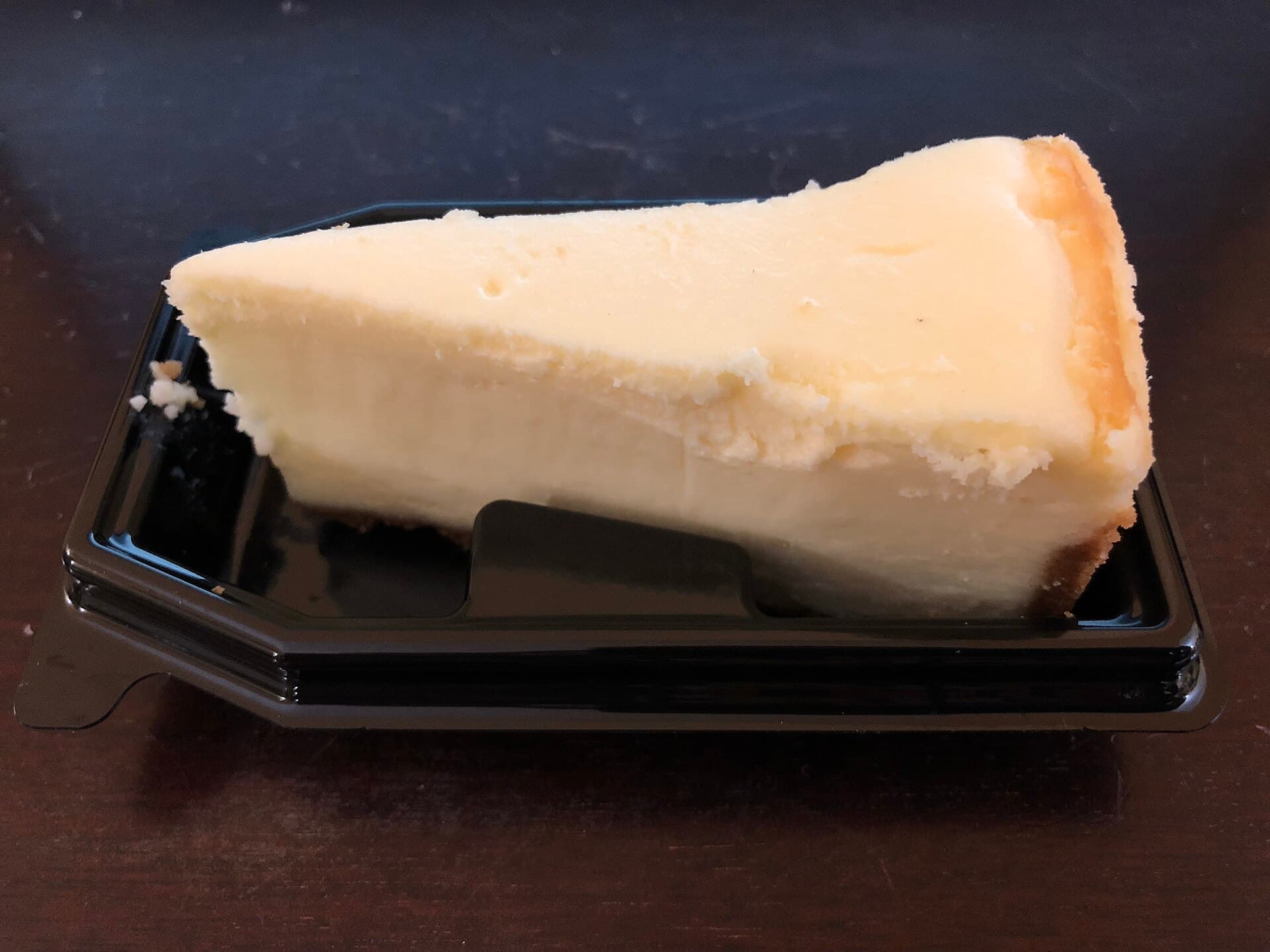
Why a Huge Menu Still Feels Like a Treat Right Now
When dining out feels expensive, restaurants with something for everyone can seem surprisingly practical. The real question isn’t whether every dish is memorable, but whether the overall experience delivers on comfort, portions, and flexibility.
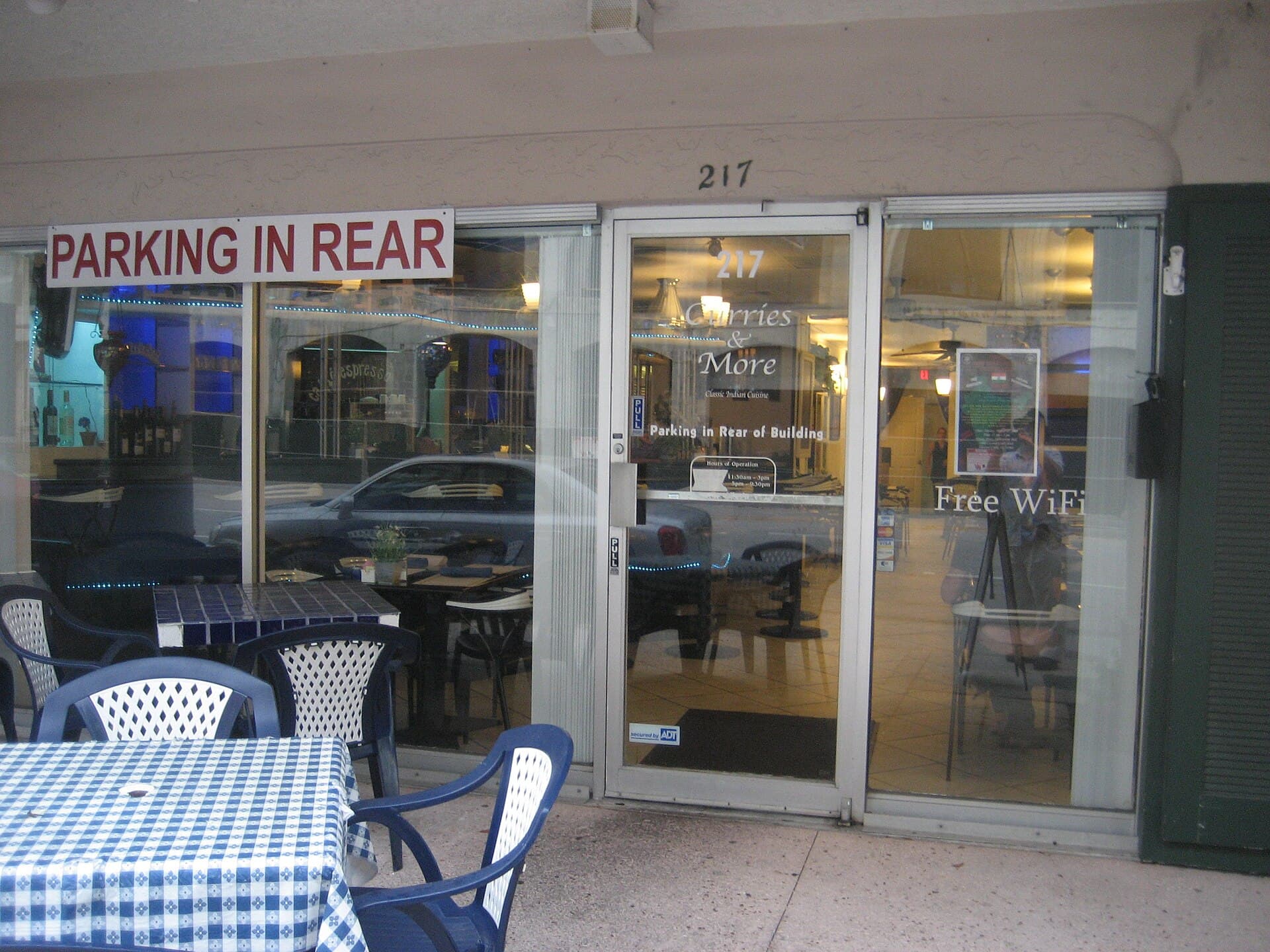
When a Beachside Restaurant Goes Dark, the Smart Move Is Having a Backup Favorite
A sudden restaurant shutdown is a reminder that vacation dining plans can change fast. The best beach-town food strategy is simple: keep a backup spot, stay flexible, and let the detour lead you somewhere local.
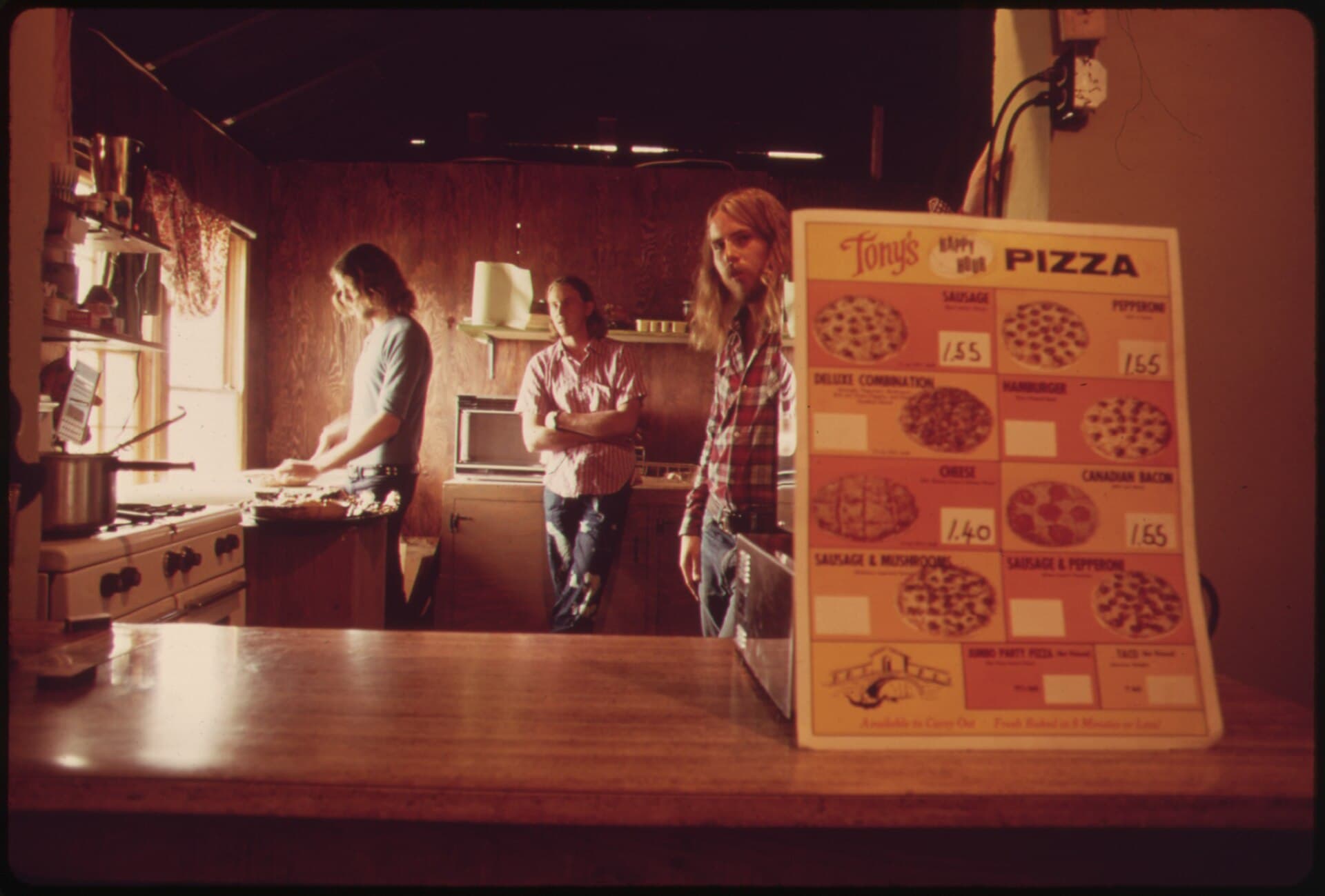
Why Celebrity Chef Visits Make College Town Dining More Interesting
When a familiar food TV face shows up in a college town, the real story is what it says about local dining. These visits can spotlight the places, flavors, and casual food culture that make campus communities worth eating through.