How to Eat Better on Campus Without Spending Every Meal in the Same Line
Campus dining can feel repetitive fast, but a little strategy goes a long way. The smartest students treat meal plans like a convenience tool, not a command to eat the same lunch every day.
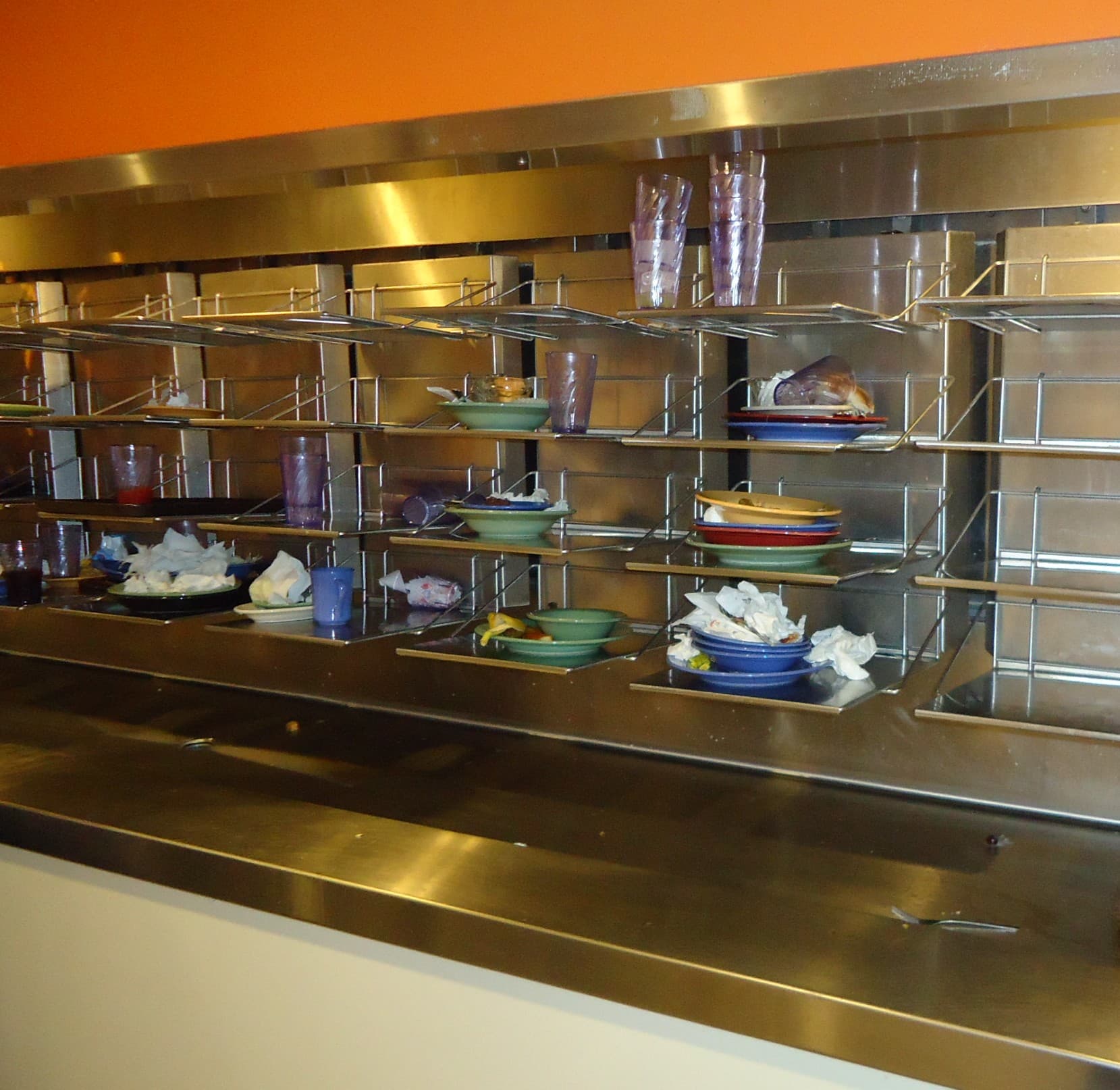
College dining gets criticized so routinely that students can forget the real luxury of having multiple ready-made meals within walking distance. The catch is that convenience can turn into autopilot. If you keep ending up at the same counter at the same hour, even a decent dining setup starts to feel limited, expensive, and strangely joyless.
The better approach is to treat campus food like a rotation instead of a default. Use the busiest spots when they actually make sense, like grabbing a quick breakfast before class or a dependable lunch between buildings, then save slower meals for places where you can sit down, recharge, and eat something that feels less rushed. A meal plan works best when you use it to buy back time, not when you burn swipes on food you barely wanted.
It also helps to think beyond the main dish. The students who get the most value out of dining halls are usually the ones building flexible meals: fruit for later, a snack that carries them through the library, something warm when the weather turns, something lighter when they are already overloaded. Variety matters, but so does pacing. Not every meal has to be memorable; it just has to do its job well.
The practical takeaway is simple: stop asking which single dining spot is the best and start asking which one fits the moment. On any campus, the winning choice is usually the place that saves you time, keeps you fed, and makes your week a little easier to manage. That is a much more useful standard than chasing a perfect ranking.
Photo: Tomwsulcer via Wikimedia Commons (CC0).

Related stories

Why a Huge Menu Still Feels Like a Treat Right Now
When dining out feels expensive, restaurants with something for everyone can seem surprisingly practical. The real question isn’t whether every dish is memorable, but whether the overall experience delivers on comfort, portions, and flexibility.
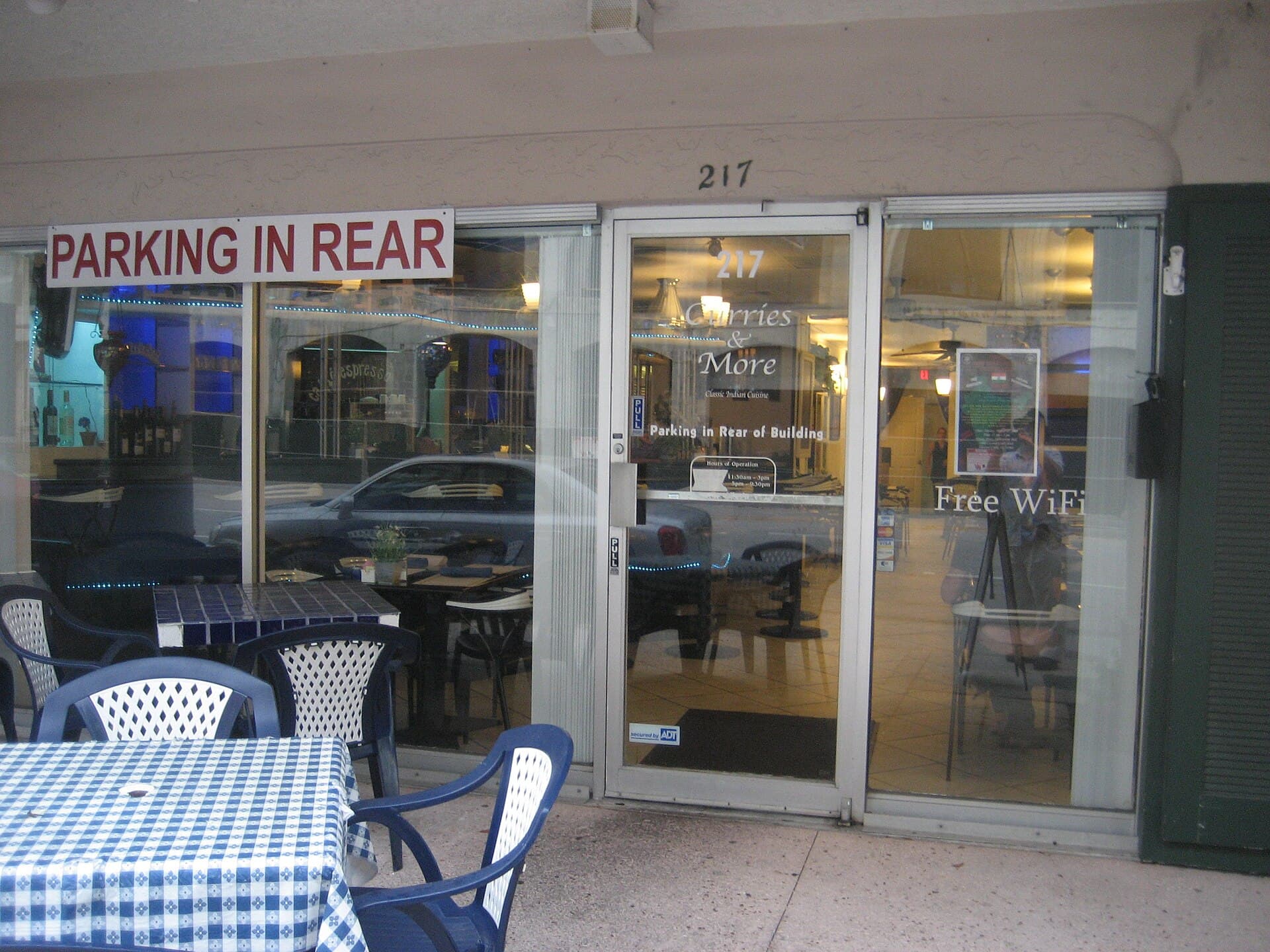
When a Beachside Restaurant Goes Dark, the Smart Move Is Having a Backup Favorite
A sudden restaurant shutdown is a reminder that vacation dining plans can change fast. The best beach-town food strategy is simple: keep a backup spot, stay flexible, and let the detour lead you somewhere local.
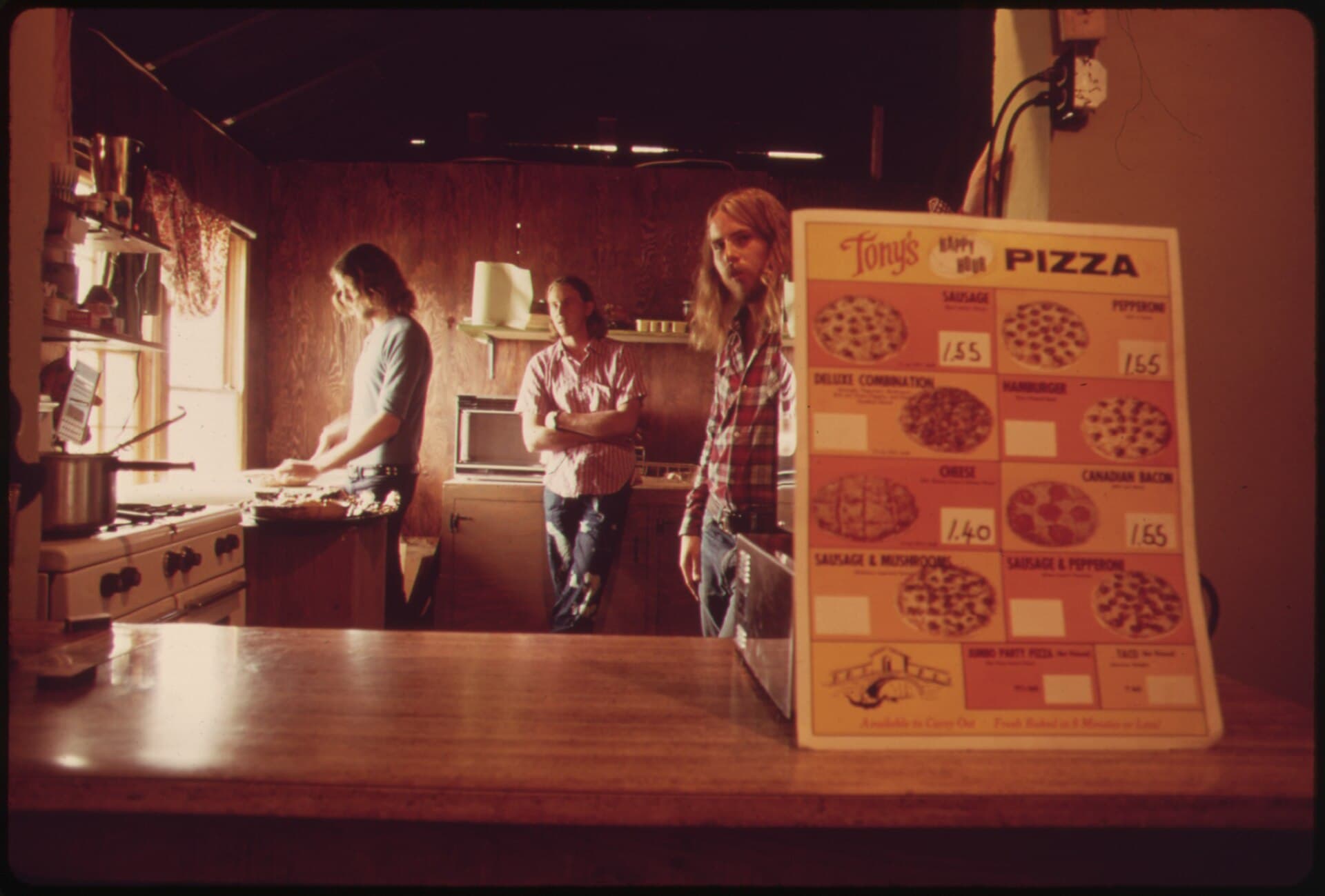
Why Celebrity Chef Visits Make College Town Dining More Interesting
When a familiar food TV face shows up in a college town, the real story is what it says about local dining. These visits can spotlight the places, flavors, and casual food culture that make campus communities worth eating through.