When Storms Spoil the Fridge, Fast Grocery Relief Matters
After a severe storm, losing food can hit a household budget almost as hard as a power outage. Replacement grocery benefits can make the difference between a stressful week and a manageable reset.
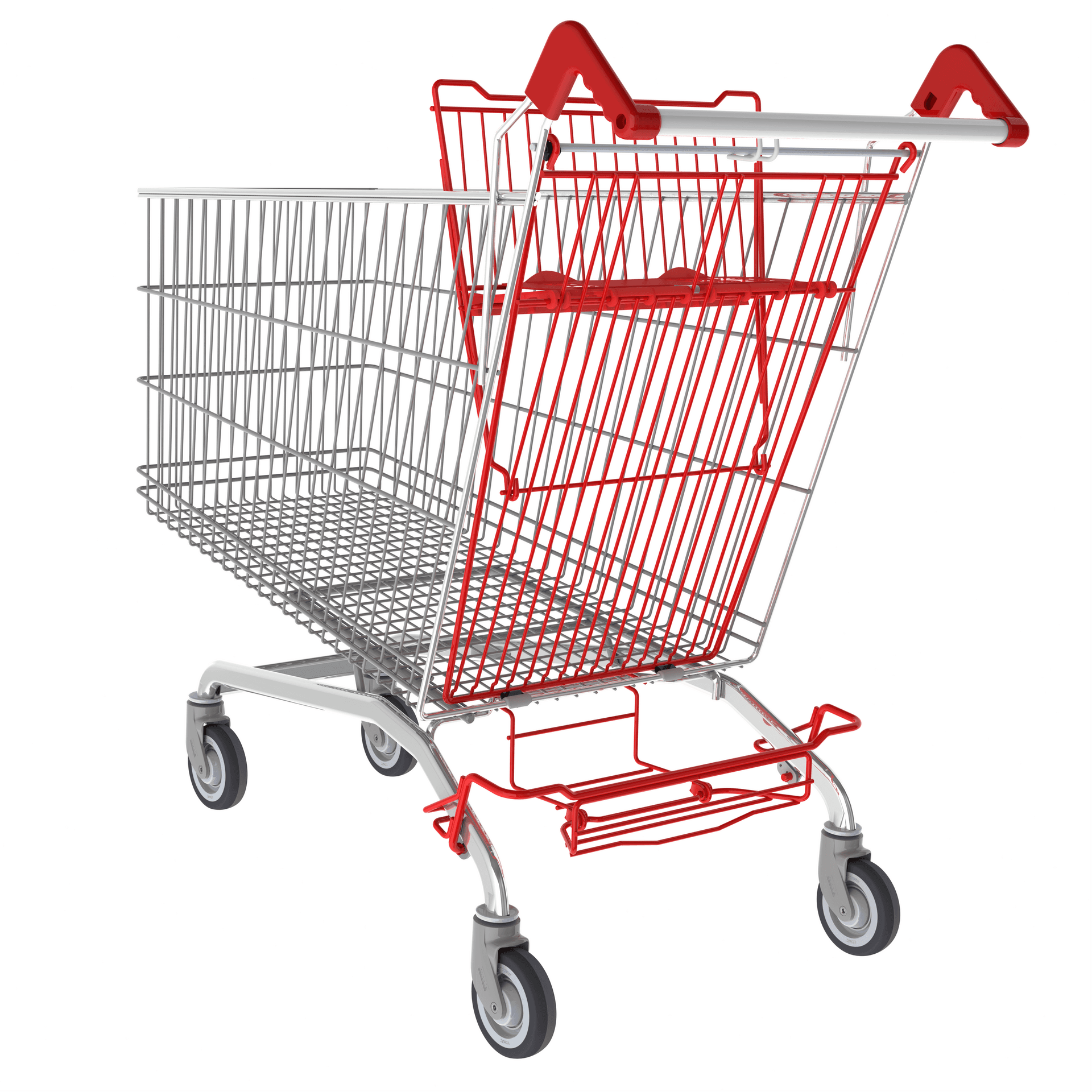
One of the least talked-about costs of a major storm is what happens inside the kitchen. When the power goes out or flooding hits, a refrigerator full of groceries can turn from a careful weekly plan into a total loss overnight. For households already stretching every food dollar, replacing basics like milk, eggs, rice, produce, and frozen meals is not a small inconvenience; it is the whole budget suddenly shifting underfoot.
That is why replacement food benefits matter so much in real life. They are not a luxury or a special extra. They are a practical tool that helps families get back to normal faster, without having to choose between restocking the pantry and covering rent, gas, or school needs. In a moment when recovery advice often focuses on generators, insurance, and home repairs, it is worth remembering that everyday food access is one of the first things people need restored.
For anyone living in storm-prone areas, the smartest move is to treat grocery records like part of emergency prep. Keeping benefit notices, store receipts when possible, and a quick phone photo of spoiled items after an outage can make a stressful process easier if assistance becomes available. It is also a good reminder to know your local reporting deadlines before the next emergency, because help is most useful when people can actually access it in time.
There is a broader lesson here for shoppers everywhere: disaster planning is not only about bottled water and batteries. It is also about protecting the weekly grocery investment that keeps a household running. When replacement programs work smoothly, they do more than cover food loss. They preserve dignity, reduce panic spending, and give families one less crisis to absorb during a difficult week.
Photo: Caddiedrusenheim via Wikimedia Commons (CC BY-SA 4.0).

Related stories

Why a Huge Menu Still Feels Like a Treat Right Now
When dining out feels expensive, restaurants with something for everyone can seem surprisingly practical. The real question isn’t whether every dish is memorable, but whether the overall experience delivers on comfort, portions, and flexibility.
When a Beachside Restaurant Goes Dark, the Smart Move Is Having a Backup Favorite
A sudden restaurant shutdown is a reminder that vacation dining plans can change fast. The best beach-town food strategy is simple: keep a backup spot, stay flexible, and let the detour lead you somewhere local.
Why Celebrity Chef Visits Make College Town Dining More Interesting
When a familiar food TV face shows up in a college town, the real story is what it says about local dining. These visits can spotlight the places, flavors, and casual food culture that make campus communities worth eating through.