The Summer Kitchen Reset Starts After Sunset
When daytime heat makes cooking feel like a chore, dinner gets better when you shift the routine instead of forcing it. A cooler, later kitchen can bring back simple meals, smaller messes, and a little pleasure.
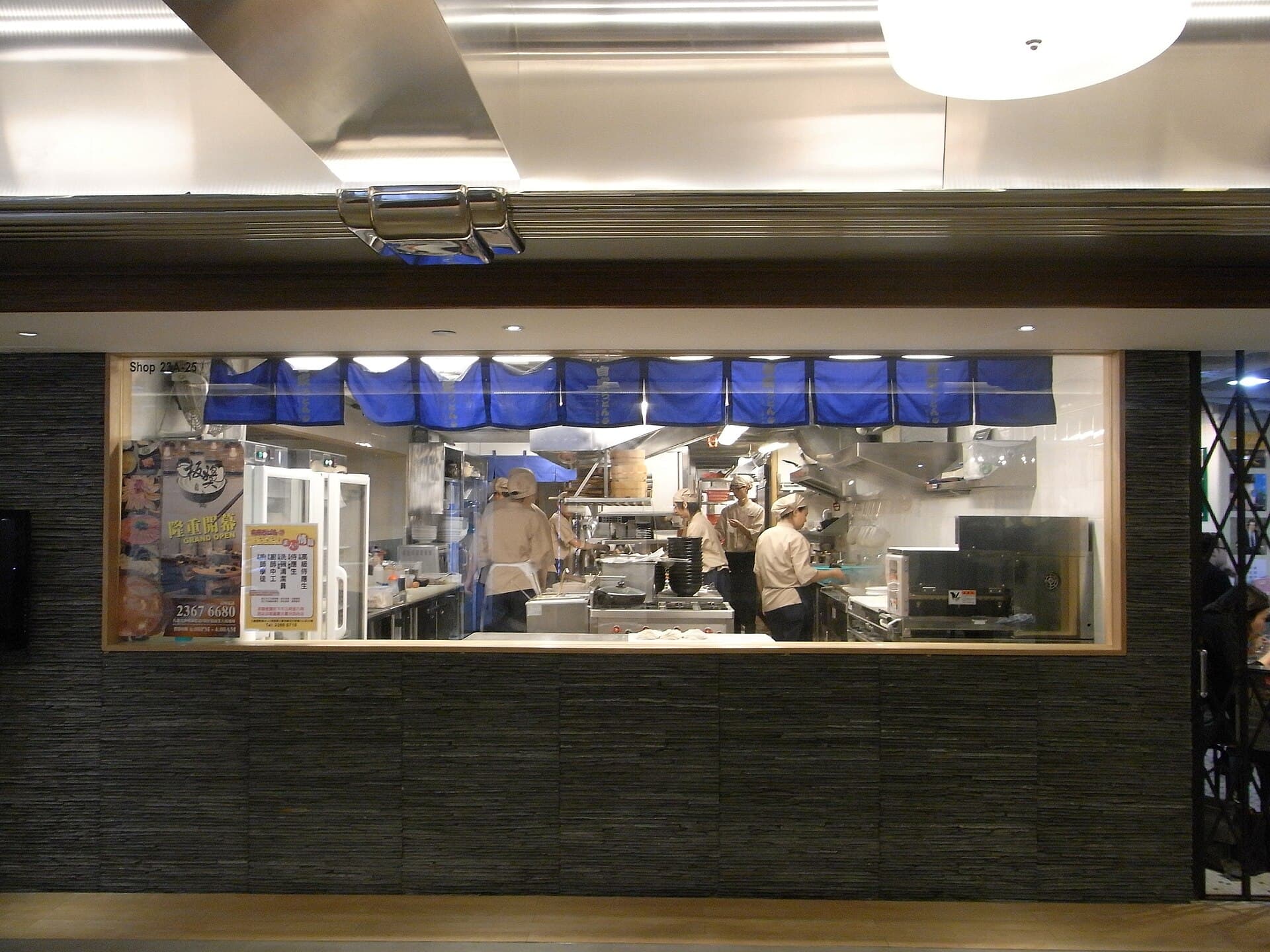
There is a point every summer when the kitchen stops feeling cozy and starts feeling like a punishment. Turning on the oven at 6 p.m. can make a small apartment miserable, and even a quick stovetop meal somehow feels heavier when the air is thick. Instead of pretending this is the season for ambitious cooking projects, it makes more sense to admit that hot-weather meals need a different rhythm.
One of the easiest fixes is to stop treating dinner like it has to happen on the old schedule. Cooking later, after the sun drops and the house finally cools off, can make a basic meal feel doable again. This is the time for cold noodles, beans with herbs, toast with tomatoes, rotisserie chicken turned into something better, or a skillet meal that takes one burner and very little patience. Summer cooking works best when it is assembled with intention, not performed for bragging rights.
It also helps to rethink what counts as real cooking. Washing fruit, slicing cucumbers, mixing yogurt sauces, dressing greens, or reviving leftovers with lemon and olive oil may not look impressive online, but it is often exactly what people want to eat when it is hot. The smartest summer cooks are usually the ones generating the least heat, the fewest dishes, and the lowest level of resentment.
That is the hidden pleasure of this season: once you stop forcing elaborate meals, cooking can become enjoyable again. A cooler kitchen, a fan in the window, a drink with ice, and one good pan can be enough. The goal is not to win summer dinner. It is to make something satisfying without overheating your home or your mood.
Photo: Barebibotra via Wikimedia Commons (CC BY-SA 3.0).

Related stories
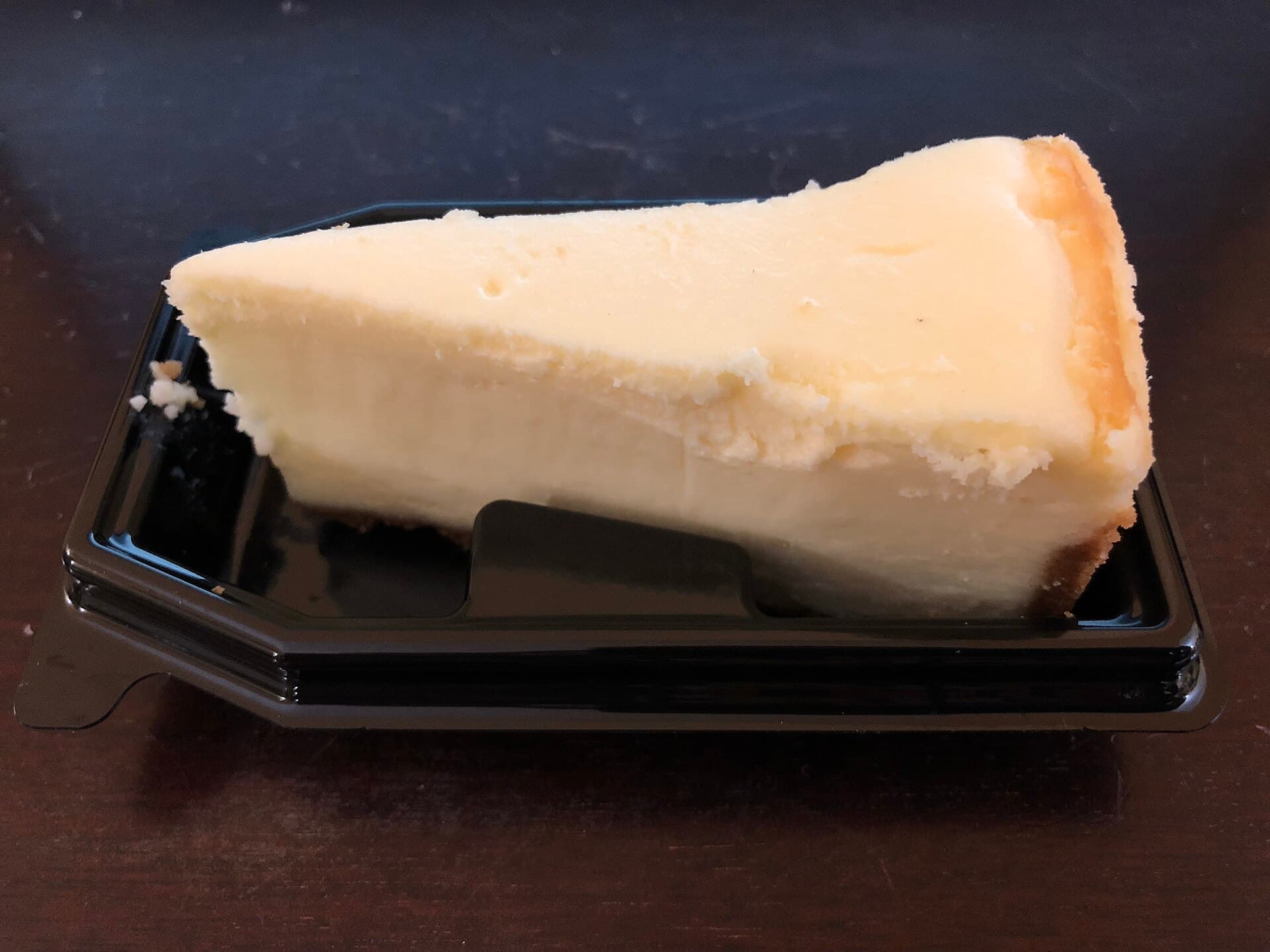
Why a Huge Menu Still Feels Like a Treat Right Now
When dining out feels expensive, restaurants with something for everyone can seem surprisingly practical. The real question isn’t whether every dish is memorable, but whether the overall experience delivers on comfort, portions, and flexibility.
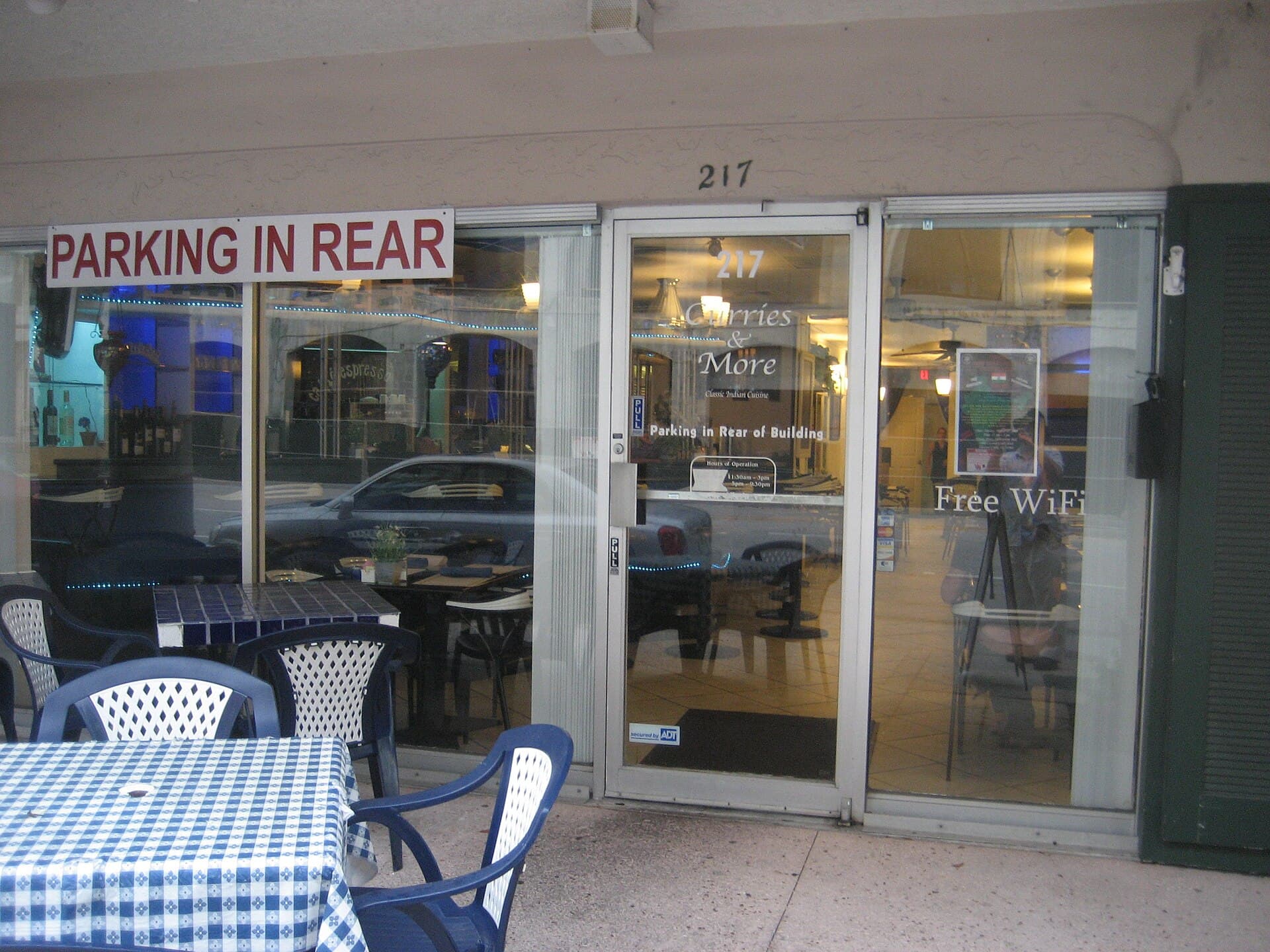
When a Beachside Restaurant Goes Dark, the Smart Move Is Having a Backup Favorite
A sudden restaurant shutdown is a reminder that vacation dining plans can change fast. The best beach-town food strategy is simple: keep a backup spot, stay flexible, and let the detour lead you somewhere local.
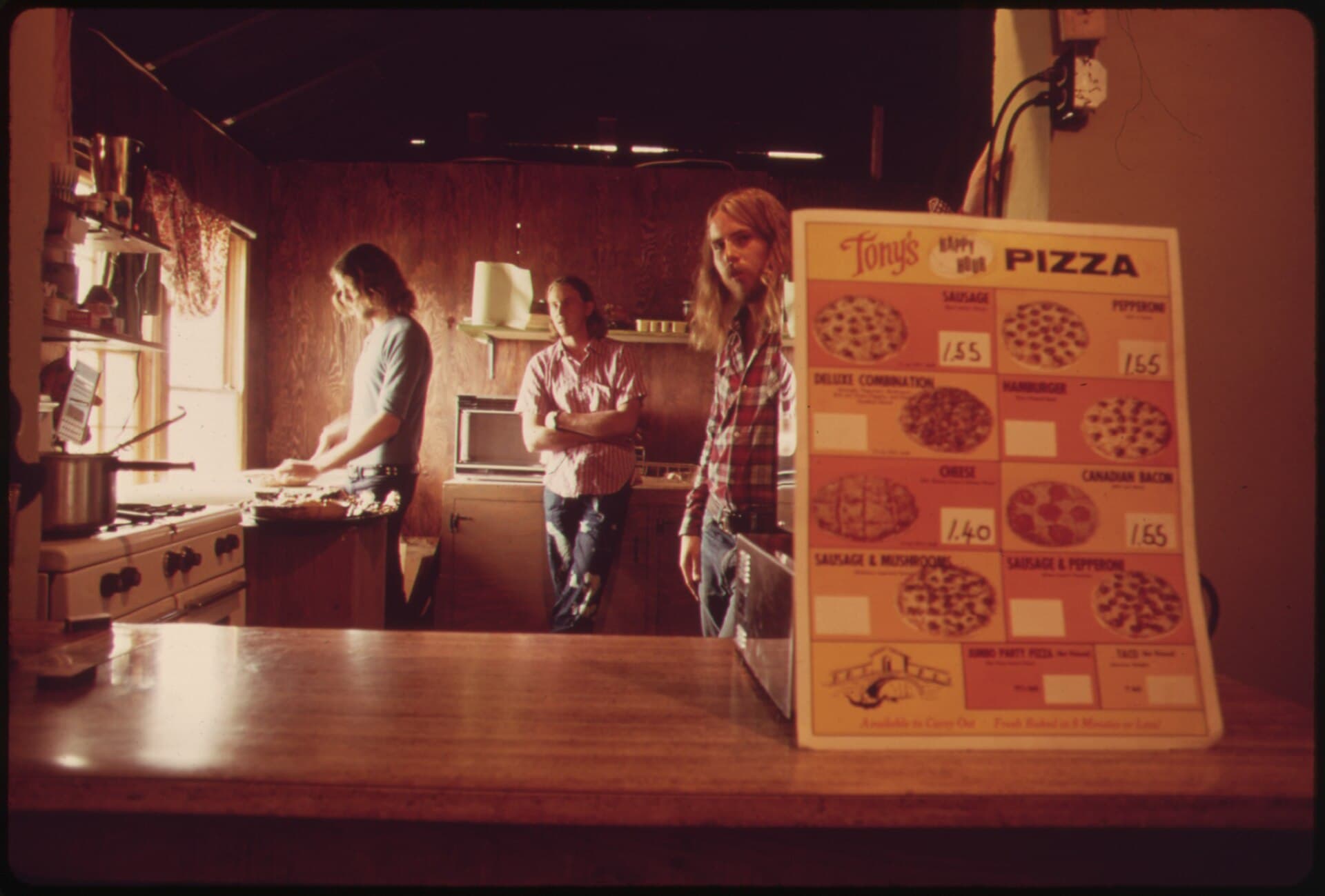
Why Celebrity Chef Visits Make College Town Dining More Interesting
When a familiar food TV face shows up in a college town, the real story is what it says about local dining. These visits can spotlight the places, flavors, and casual food culture that make campus communities worth eating through.