When Office Software Starts Chasing Pentagon Contracts
Another enterprise software deal is a reminder that defense tech is no longer a niche corner of the market. For everyday users and small businesses, the bigger question is how military priorities can reshape the tools that already run modern work.

A lot of Americans still think of defense tech as something separate from daily life: drones, satellites, contractors, and secure facilities far from the average desk job. But the line keeps getting thinner. When a major business software company moves deeper into military and government work, it signals that the same cloud platforms used for sales, customer records, and internal workflows may increasingly be adapted for national security jobs too.
That matters beyond Wall Street because big enterprise software has a habit of carrying its priorities across the whole customer base. Features built for compliance, identity controls, audit trails, and locked-down data handling can eventually benefit regular companies that just want safer systems. The less comfortable possibility is that government contracting also pushes more software toward complexity, higher costs, and a mindset where surveillance and permissions expand faster than usability.
For small businesses and nonprofits, this is a good moment to pay attention to the software stack they depend on, even if they never plan to sell anything to the federal government. Ask what happens to pricing, support, and product focus when vendors chase giant public-sector deals. A platform can start as a clean tool for managing customers and end up feeling like a maze of enterprise add-ons designed for buyers with procurement teams and legal departments.
The practical takeaway is simple: software consolidation is not just a business story anymore; it is a culture story. As defense, government, and commercial tech keep blending together, buyers should expect more polished security features but also more politics inside ordinary software decisions. That makes it worth shopping carefully, reading contract terms closely, and remembering that the most powerful app is not always the one that stays easiest to live with.
Photo: Bobjgalindo via Wikimedia Commons (CC BY-SA 4.0).

Related stories
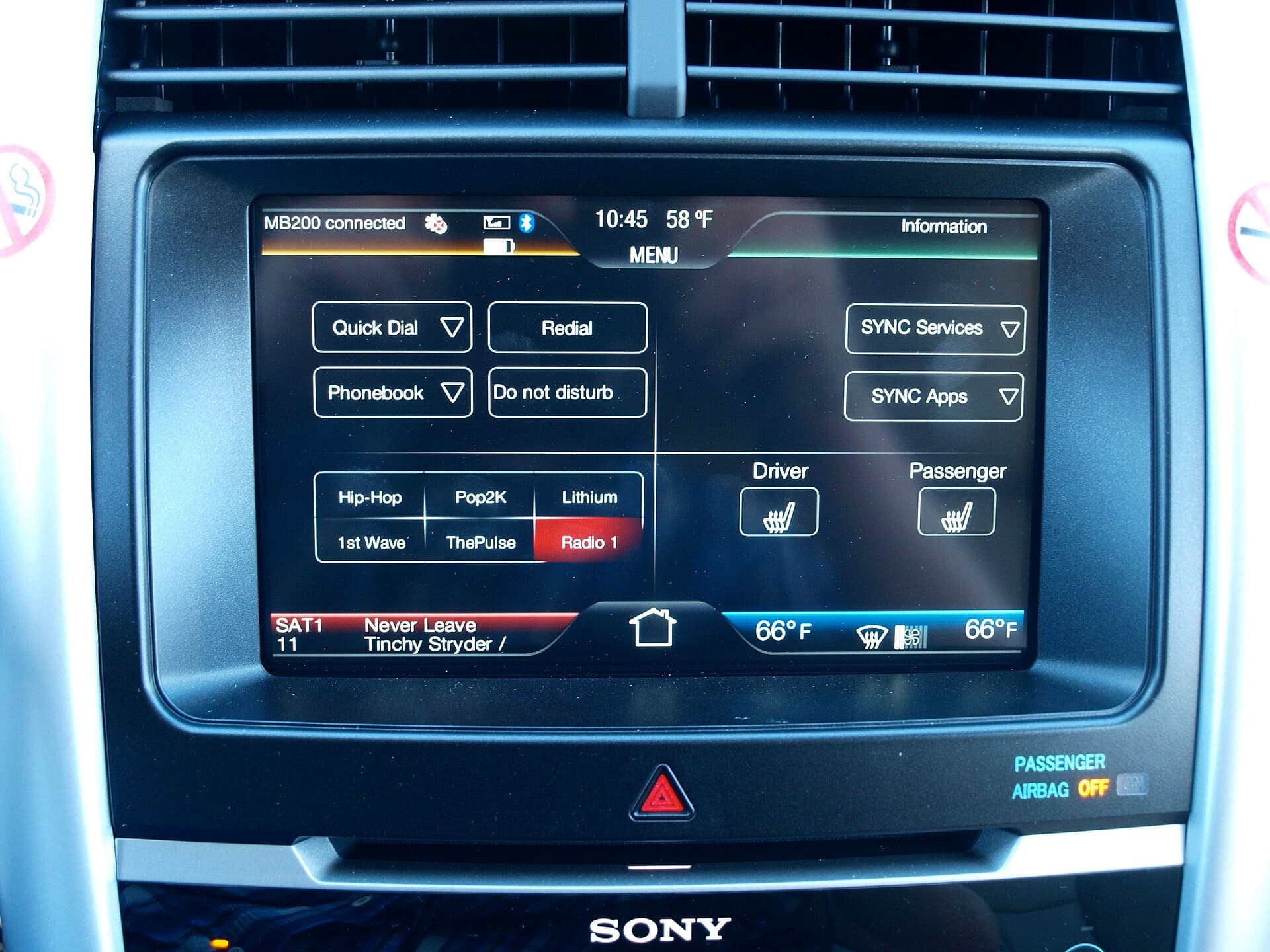
Why Your Next Car Upgrade May Look More Like a Tablet
The next wave of car tech is less about horsepower and more about screens, sensors, and software. For US shoppers, that means paying closer attention to what happens inside the cabin before signing the paperwork.

Why a Tech Pullback Can Be a Better Time to Shop Smart
When market nerves hit tech, shoppers don’t need to become traders to benefit. A cooler mood around the sector can be a good reminder to buy devices for usefulness, not hype, and to watch for quieter value.
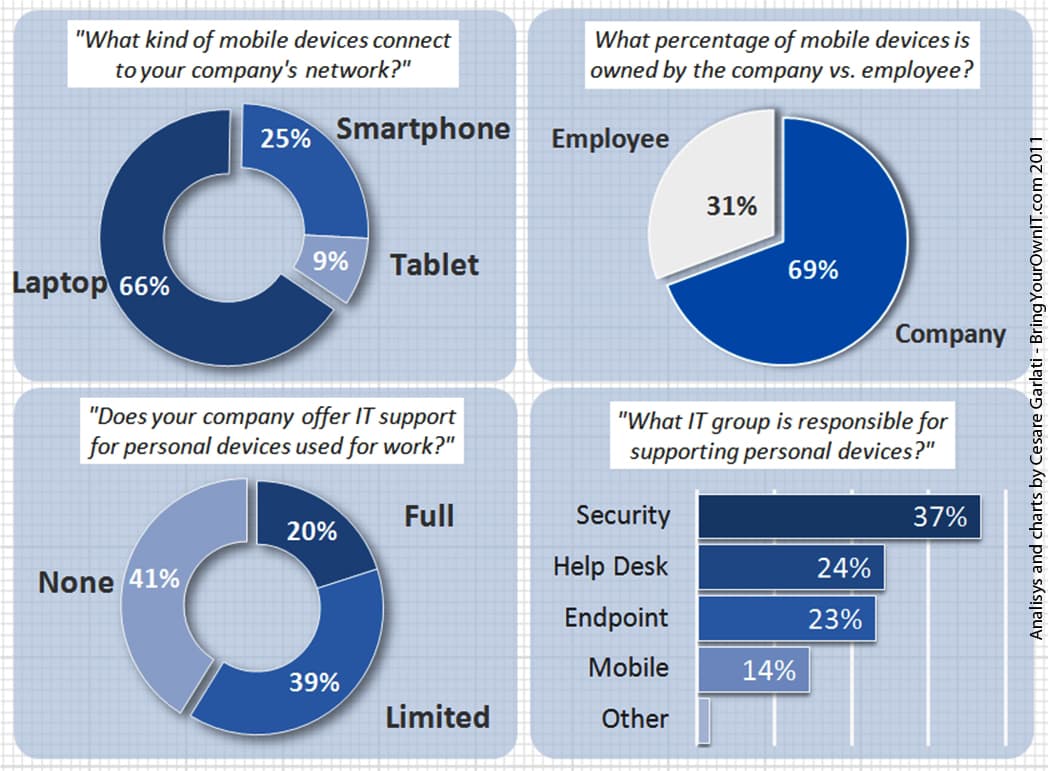
When Tech Stocks Sink, Your Gadgets Don’t Have To
A rough day for tech shares can make the whole industry feel shaky, but for shoppers it’s often a reminder to buy more deliberately. The smartest move is focusing on support, durability, and timing instead of market drama.