Why Some Shoppers Are Quietly Rotating Away From Big Tech
Tech still shapes everyday life, but many households are paying closer attention to the steadier parts of consumer spending. That shift says as much about budgets and habits as it does about the market.

For years, technology felt like the easiest place to look for excitement, whether you were buying gadgets, following earnings, or just trying to guess where consumer attention would go next. But everyday life has a way of pulling people back to basics. When household budgets get tighter or priorities get clearer, shoppers tend to notice the companies tied to repeat purchases, familiar routines, and products that don’t need a software update to stay relevant.
That doesn’t mean tech is suddenly unimportant. Phones, cloud services, streaming platforms, and digital payments are deeply woven into American life. What changes is the mood. Instead of chasing whatever feels newest, more people start asking a simpler question: which businesses fit the way we actually spend week after week? The answer often leads away from flashy product cycles and toward brands that live in kitchens, closets, pharmacies, and grocery carts.
There’s a practical lesson here for readers who care about deals and value. Consumer companies can be easier to understand because their strengths show up in plain sight: reliable demand, recognizable products, and pricing that people notice immediately. If a brand keeps winning space in your home even when you’re cutting back elsewhere, that tells you something. It may not be dramatic, but it’s often more grounded than betting your attention on the next big tech storyline.
In lifestyle terms, this is really a story about durability. The most resilient parts of the economy are often the least glamorous ones, and that can be true in shopping as well as investing. A smart reset for 2025 may be spending less time obsessing over hype and more time noticing the businesses that benefit from ordinary American habits. Boring is underrated when it keeps showing up in real life.
Photo: Roger McLassus. via Wikimedia Commons (CC BY-SA 3.0).

Related stories
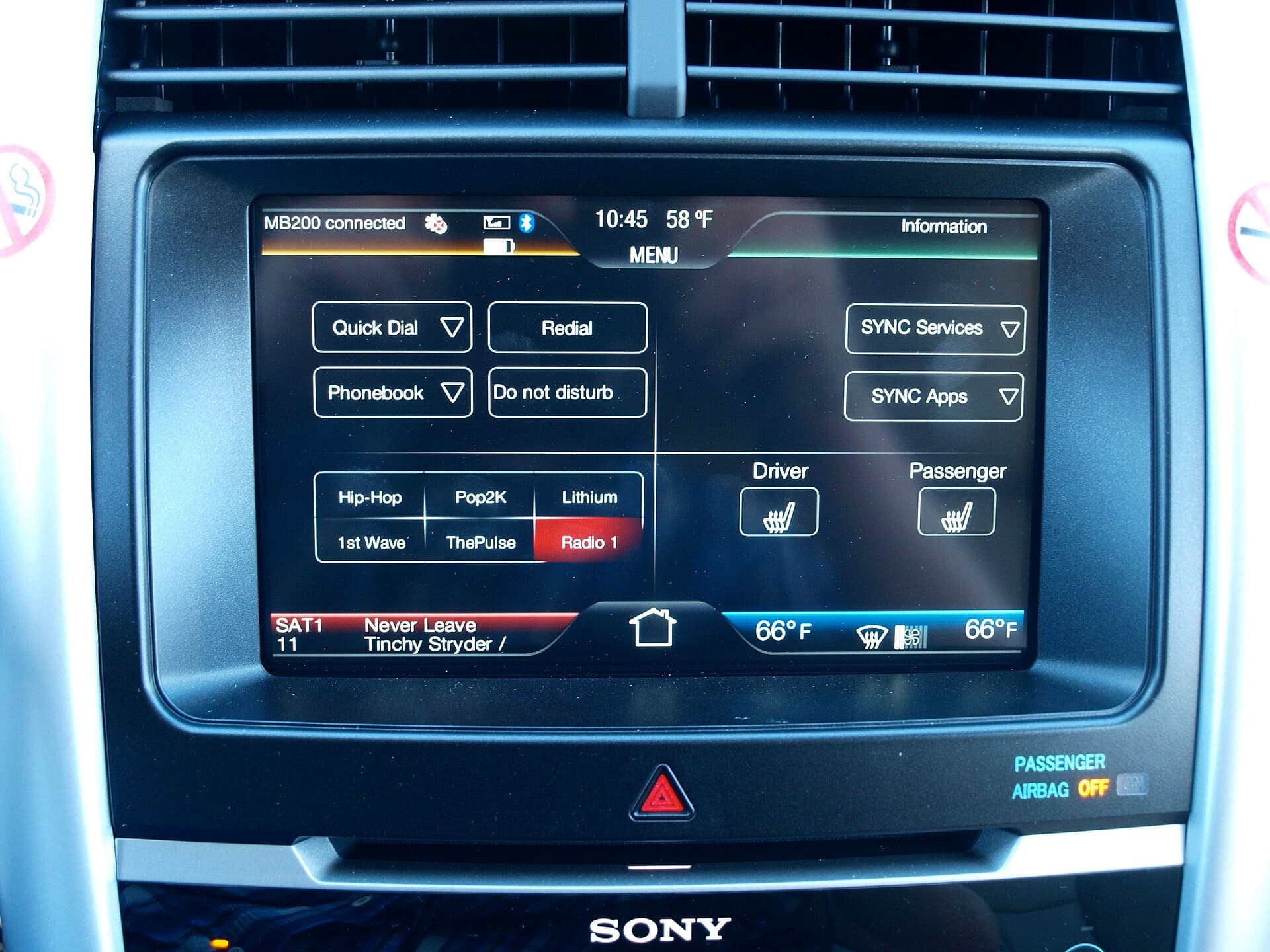
Why Your Next Car Upgrade May Look More Like a Tablet
The next wave of car tech is less about horsepower and more about screens, sensors, and software. For US shoppers, that means paying closer attention to what happens inside the cabin before signing the paperwork.

Why a Tech Pullback Can Be a Better Time to Shop Smart
When market nerves hit tech, shoppers don’t need to become traders to benefit. A cooler mood around the sector can be a good reminder to buy devices for usefulness, not hype, and to watch for quieter value.
When Tech Stocks Sink, Your Gadgets Don’t Have To
A rough day for tech shares can make the whole industry feel shaky, but for shoppers it’s often a reminder to buy more deliberately. The smartest move is focusing on support, durability, and timing instead of market drama.