Why Your Next Gadget Upgrade May Feel More Expensive Than It Should
Rising component costs are starting to show up in everyday tech shopping. For US buyers, that makes timing, storage choices, and upgrade habits more important than ever.
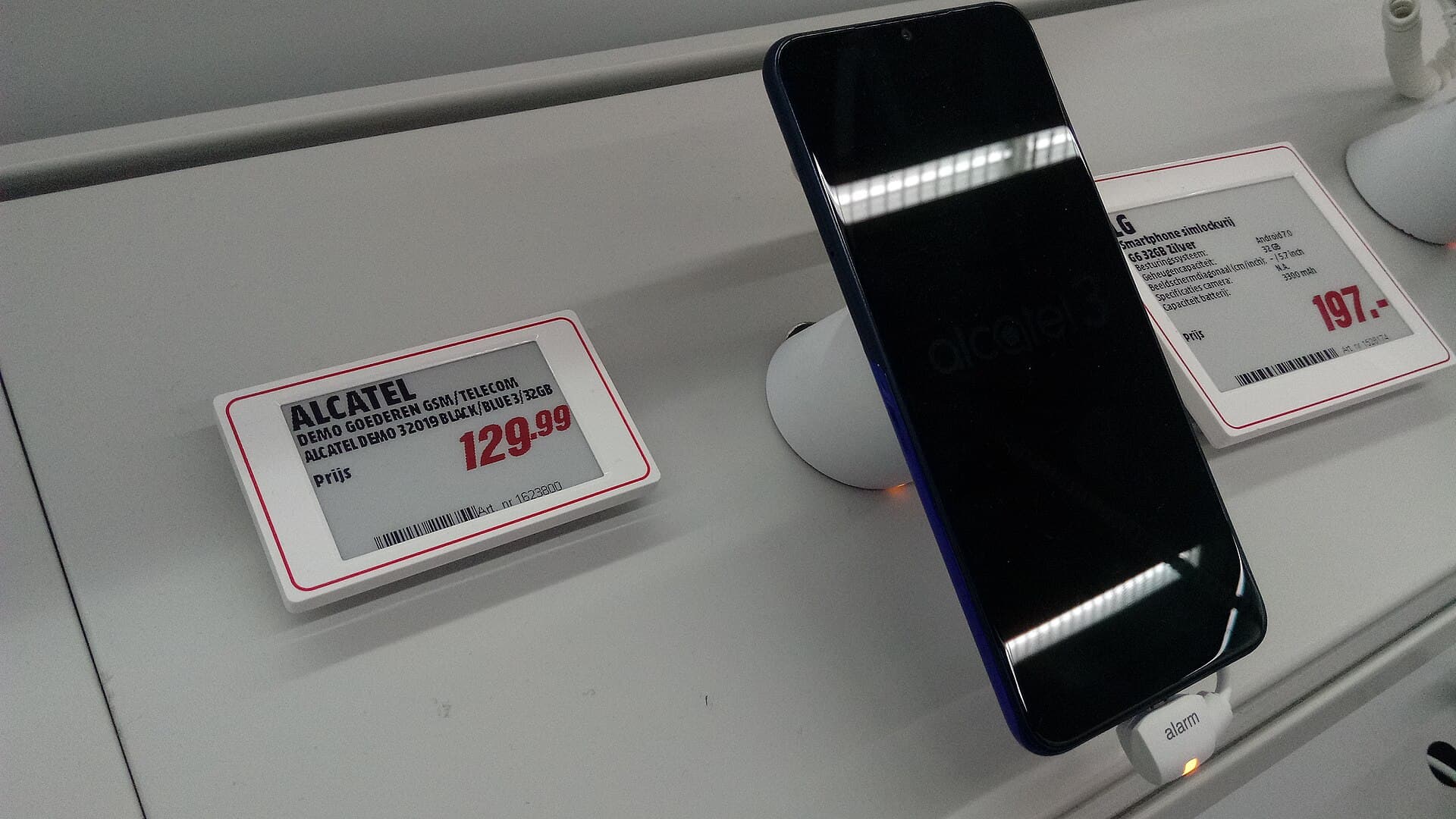
Tech shoppers are used to hearing that devices get better every year, but not always that they get cheaper in the ways that matter. When the parts inside phones, laptops, tablets, and even game consoles become more expensive, brands usually respond in familiar ways: higher sticker prices, fewer discounts, or base models that feel a little less generous than they used to. You may not see a dramatic jump all at once, but you can feel it when a “good deal” starts looking like last year’s regular price.
If you’re buying soon, this is a moment to shop more carefully instead of automatically chasing the newest release. The smartest move for a lot of households may be choosing the model with the features you actually use and skipping expensive storage bumps unless you truly need them. For many people, stretching the life of a perfectly solid device by another year, replacing a battery, or buying a reputable refurbished model could make more sense than paying a premium just to stay current.
This kind of price pressure also changes what counts as value. A laptop that includes more memory or storage up front may be worth the extra cost if it helps you avoid an earlier replacement, while a flashy upgrade with little day-to-day benefit can be easy to regret. Consumers have gotten used to comparing cameras, screen sizes, and processor claims, but the next phase of smart shopping may be paying closer attention to the components that affect longevity and resale value.
The bigger takeaway is that electronics pricing is starting to look less like a steady march toward affordability and more like any other essential category: unpredictable, strategic, and worth planning around. If you see a device that fits your needs at a fair price, waiting forever for a dramatic drop may not be the winning strategy it once was. In this market, being practical beats being first.
Photo: Donald Trung Quoc Don (Chữ Hán: 徵國單) - Wikimedia Commons - © CC BY-SA 4.0 International.(Want to use this image?)Original publication 📤: --Donald Trung 『徵國單』 (No Fake News 💬) (WikiProject Numismatics 💴) (Articles 📚) 16:57, 10 November 2019 (UTC) via Wikimedia Commons (CC BY-SA 4.0).

Related stories
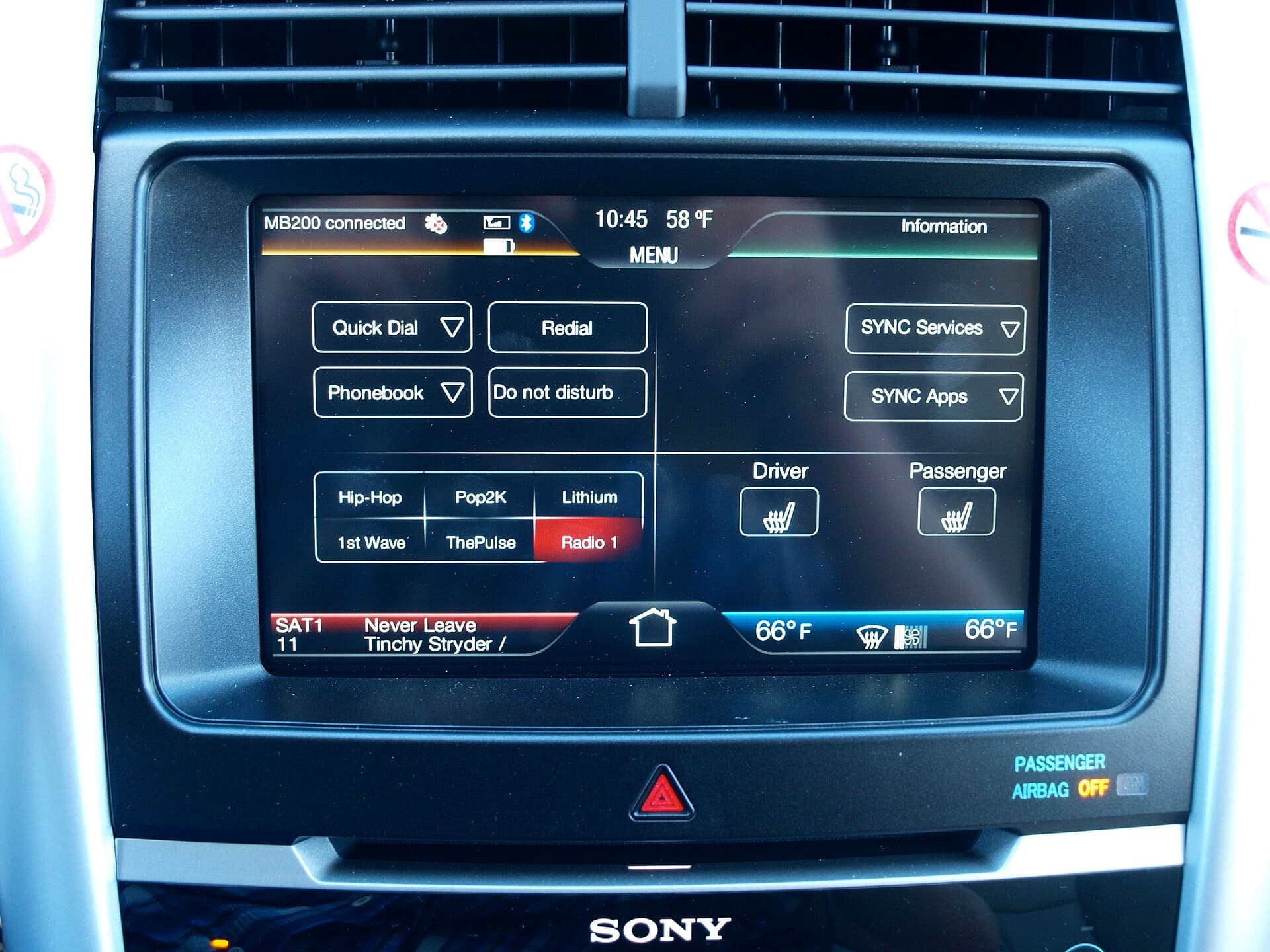
Why Your Next Car Upgrade May Look More Like a Tablet
The next wave of car tech is less about horsepower and more about screens, sensors, and software. For US shoppers, that means paying closer attention to what happens inside the cabin before signing the paperwork.

Why a Tech Pullback Can Be a Better Time to Shop Smart
When market nerves hit tech, shoppers don’t need to become traders to benefit. A cooler mood around the sector can be a good reminder to buy devices for usefulness, not hype, and to watch for quieter value.
When Tech Stocks Sink, Your Gadgets Don’t Have To
A rough day for tech shares can make the whole industry feel shaky, but for shoppers it’s often a reminder to buy more deliberately. The smartest move is focusing on support, durability, and timing instead of market drama.