Why Your Next Gadget Upgrade May Feel Smaller and Costlier
The chip race isn’t just shaping servers and cloud tools. It’s also changing what shows up in everyday laptops, phones, and gaming gear for regular shoppers.
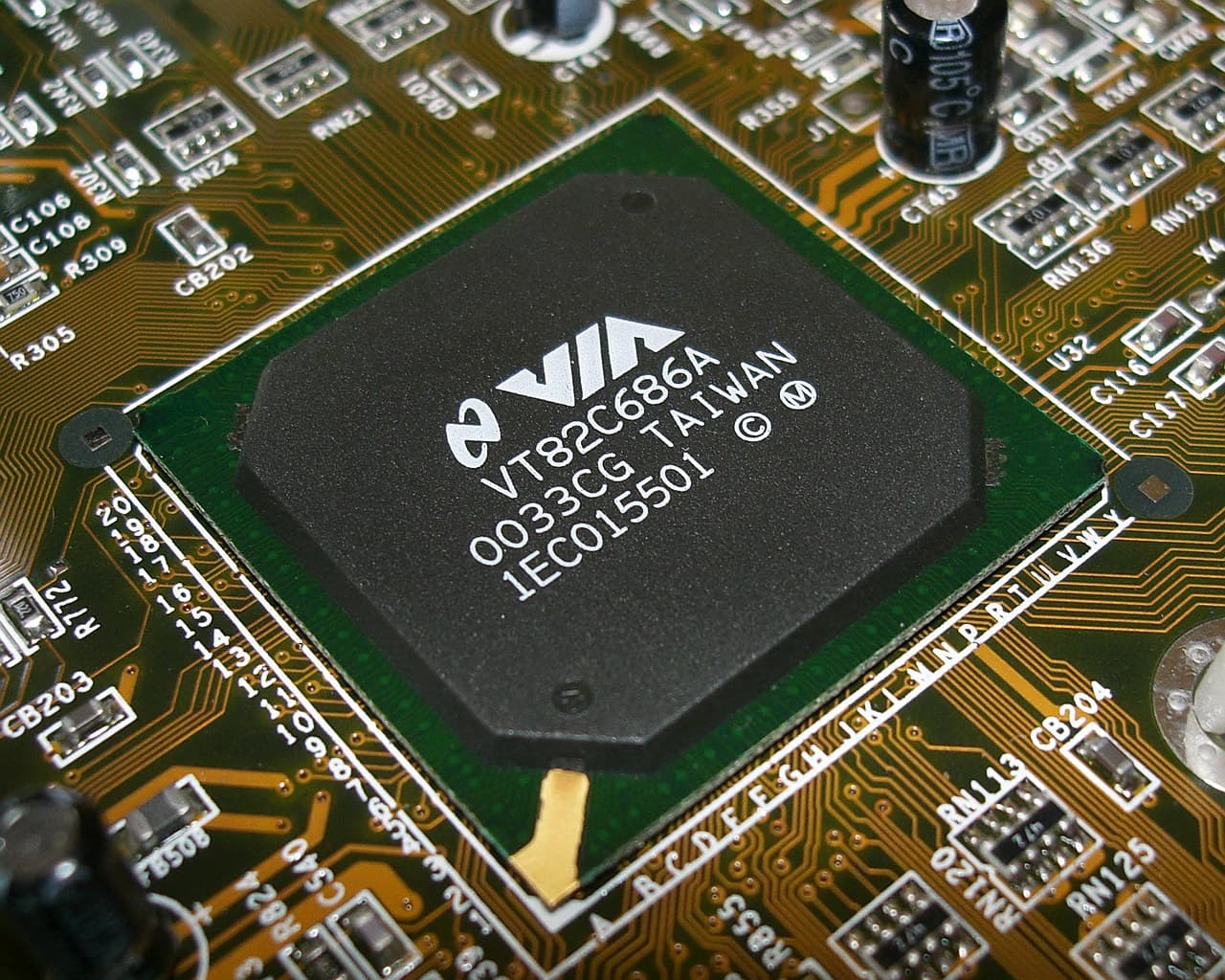
If you’ve looked at new laptops, phones, or graphics cards lately and felt underwhelmed, you’re not imagining it. When manufacturers chase the hottest parts of the tech market, everyday devices can end up with fewer exciting improvements, thinner inventories, or refreshes that feel more like minor tune-ups than real leaps forward.
For US shoppers, that means this may be a smart season to separate wants from needs. If your current device still handles work, streaming, school, or gaming well enough, holding onto it a little longer can be the better value move. The newest model is not always meaningfully better, especially when brands are under pressure to ration premium components across too many product categories at once.
This is also a moment to shop less by launch hype and more by practical specs. Battery life, repairability, thermal performance, storage, and warranty support may matter more than whether a device has the flashiest marketing hook of the month. In a tighter component environment, the products worth buying are often the ones that feel balanced and durable, not the ones trying hardest to look futuristic.
The upside is that market stress has a way of rewarding disciplined buyers. Last year’s models, certified refurbished gear, and midrange devices can suddenly look like the sensible choice when flagship upgrades get pricier and less dramatic. For most households, the best tech deal right now may not be the newest machine on the shelf, but the one that still does the job without making you pay extra for someone else’s industry arms race.
Photo: MOS6502 via Wikimedia Commons (CC BY-SA 3.0).

Related stories
Why Your Next Car Upgrade May Look More Like a Tablet
The next wave of car tech is less about horsepower and more about screens, sensors, and software. For US shoppers, that means paying closer attention to what happens inside the cabin before signing the paperwork.

Why a Tech Pullback Can Be a Better Time to Shop Smart
When market nerves hit tech, shoppers don’t need to become traders to benefit. A cooler mood around the sector can be a good reminder to buy devices for usefulness, not hype, and to watch for quieter value.
When Tech Stocks Sink, Your Gadgets Don’t Have To
A rough day for tech shares can make the whole industry feel shaky, but for shoppers it’s often a reminder to buy more deliberately. The smartest move is focusing on support, durability, and timing instead of market drama.