Why School Season Still Acts Like a Mini Holiday for Main Street
When families reset routines for fall, neighborhood stores often get a short but meaningful boost. The lesson for shoppers and small-business owners alike is that seasonal spending still matters most when it feels practical.
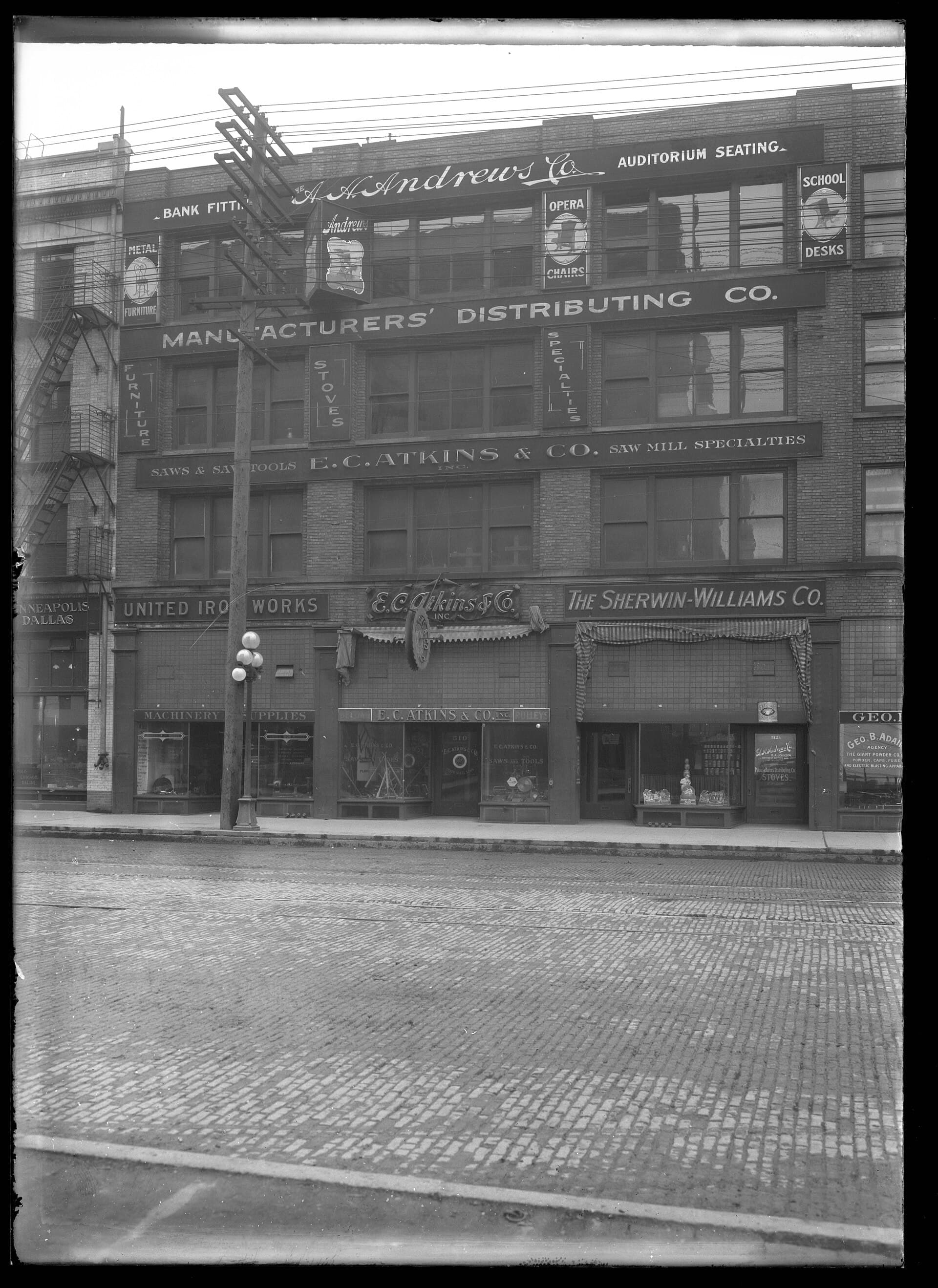
Back-to-school shopping doesn’t just belong to big-box chains and online giants. It’s one of the few annual spending waves that reliably pushes people back into neighborhood stores for the basics they actually need, from kids’ clothes to lunch gear to last-minute classroom supplies. That kind of demand may not feel flashy, but for small businesses it can be the difference between a slow stretch and a solid month.
What stands out this time of year is how practical the spending is. Families are usually not splurging for fun; they’re trying to get through a checklist without wasting money. That creates an opening for local retailers that keep useful inventory in stock, make returns painless, and help shoppers finish errands fast. In a season defined by tight budgets, convenience has become its own kind of value.
There’s also a broader reminder here about the American economy: small-business strength often shows up first in ordinary routines. When people are willing to spend on school shoes, haircuts, snacks, and after-school necessities, it suggests a level of everyday confidence that matters more than flashy trend pieces. These are the purchases that reveal how households are really managing the month.
For consumers, the takeaway is simple: if you want local shops to stick around, the most helpful support usually isn’t a once-a-year grand gesture. It’s choosing them for the boring essentials when seasonal needs pop up. For small businesses, the fall rush is a cue to think less about hype and more about becoming the place people trust when life gets busy again.
Photo: Piper, Walter F via Wikimedia Commons (Public domain).

Related stories
When Everyday Spending Gets Stickier, Households Need Better Defaults
When prices keep feeling heavier but people are still spending, the real story is often habit, not indulgence. This is a good moment to rebuild a few money defaults before small costs become permanent ones.
What a Strong Economy Actually Means at the Checkout Line
Big economic growth sounds abstract until it shows up in crowded stores, steadier paychecks, and businesses spending faster on new tools. For households, the real question is how to use a resilient moment without assuming every good trend will last forever.
Why Steady Spending Still Feels Like a Budget Squeeze
Americans are still opening their wallets, but that doesn’t mean money feels easy. The real story is how households are getting more selective, stretching routines, and redefining what counts as a smart buy.