When Everyday Spending Gets Stickier, Households Need Better Defaults
When prices keep feeling heavier but people are still spending, the real story is often habit, not indulgence. This is a good moment to rebuild a few money defaults before small costs become permanent ones.
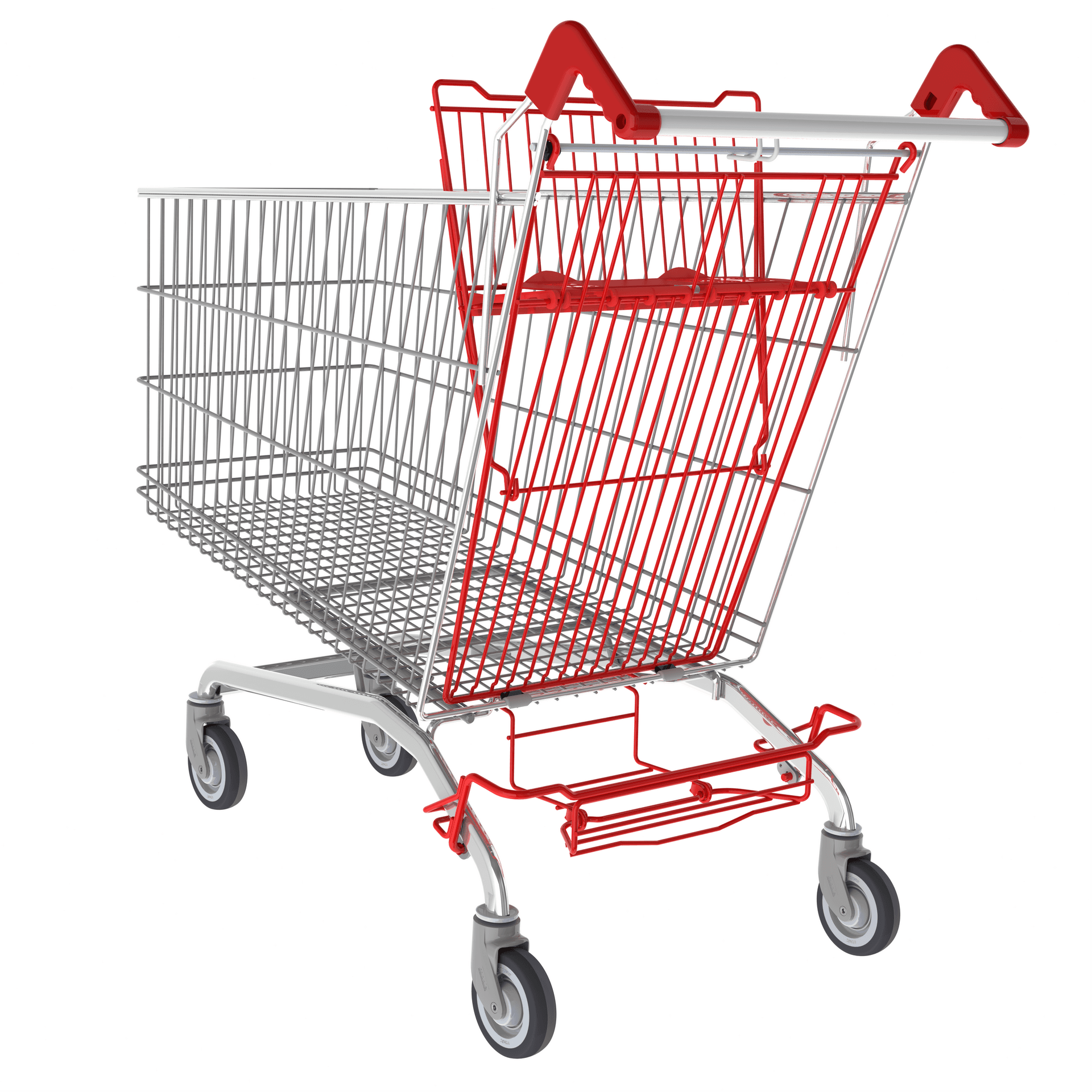
When inflation feels hot again while consumer spending keeps moving, it can be tempting to turn the whole moment into a morality play about discipline. But for most households, that misses the point. A lot of spending is not reckless or glamorous; it is recurring, half-noticed, and tied to routines that got more expensive without anyone making a dramatic new choice.
The practical takeaway is not to panic-buy less, but to look harder at the purchases that have quietly become automatic. Grocery add-ons, delivery convenience, app subscriptions, and impulse stops on the way home can absorb more of a paycheck than the big planned expenses people usually blame. When prices rise in small increments, the easiest way to lose control is to keep using old habits with new price tags.
This is why better defaults matter more than heroic budgeting. A shorter shopping list, one less weekly takeout order, a planned refill run instead of multiple small trips, or moving one recurring charge to a cheaper option can do more than a dramatic no-spend promise that lasts four days. The goal is not perfection; it is reducing the number of expensive decisions you make when tired, rushed, or distracted.
There is also a broader cultural reality here: Americans are often told to spend to keep life normal, then scolded when normal gets expensive. A smarter response is to make frugality feel less like punishment and more like editing. Keep the spending that genuinely improves daily life, and be ruthless about the rest. In a hotter-price environment, the households that fare best are usually not the ones making extreme cuts, but the ones that notice drift early and reset fast.
Photo: Caddiedrusenheim via Wikimedia Commons (CC BY-SA 4.0).

Related stories
What a Strong Economy Actually Means at the Checkout Line
Big economic growth sounds abstract until it shows up in crowded stores, steadier paychecks, and businesses spending faster on new tools. For households, the real question is how to use a resilient moment without assuming every good trend will last forever.
Why School Season Still Acts Like a Mini Holiday for Main Street
When families reset routines for fall, neighborhood stores often get a short but meaningful boost. The lesson for shoppers and small-business owners alike is that seasonal spending still matters most when it feels practical.
Why Steady Spending Still Feels Like a Budget Squeeze
Americans are still opening their wallets, but that doesn’t mean money feels easy. The real story is how households are getting more selective, stretching routines, and redefining what counts as a smart buy.