Consumers Keep Carrying the Economy, but Households Shouldn’t Get Complacent
Stronger consumer spending can sound like a national win, but for households it’s also a reminder to check whether confidence is turning into drift. When the economy looks sturdy, the smartest move is often tightening up the basics before costs rise again.
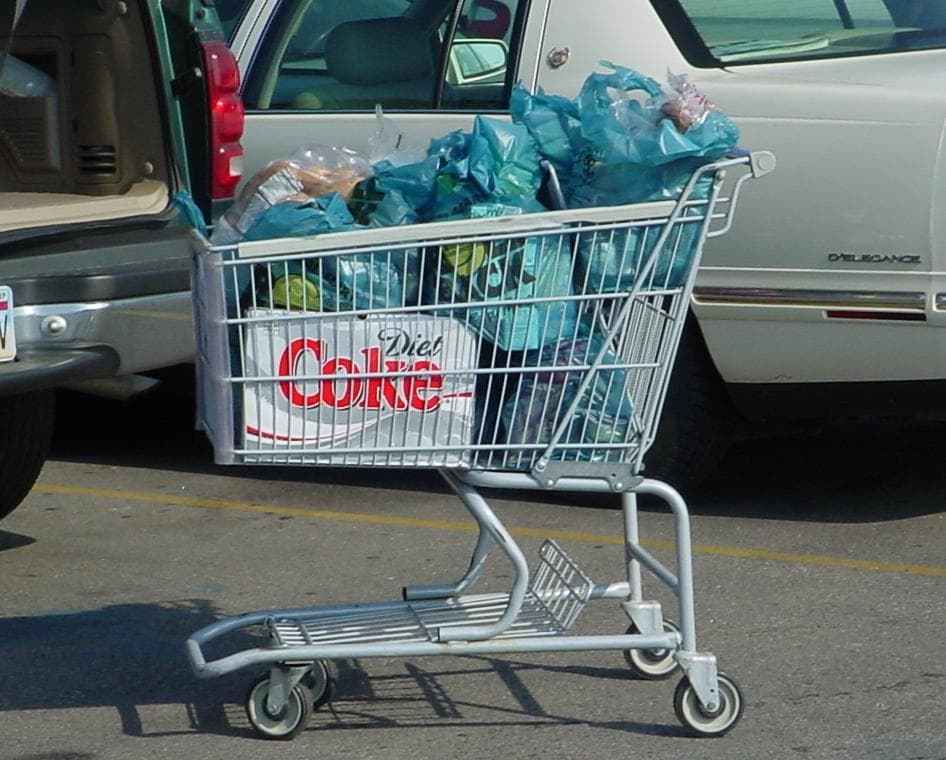
A stronger read on economic growth is usually framed as good news, and for most Americans it is. It suggests people are still traveling, eating out, replacing old appliances, and generally keeping daily life moving. That kind of spending helps workers, small businesses, and local main streets more than abstract market chatter ever will.
But there’s a household-level catch: broad economic resilience can make it tempting to assume your own budget is safer than it really is. When jobs feel stable and stores stay busy, it’s easy to let subscriptions pile up, push off comparison shopping, or normalize higher weekly spending. A healthy economy does not automatically mean every family is getting better value.
This is one of those moments when practical habits matter more than headlines. If your paycheck is steady, use the calm to revisit recurring bills, refill your emergency cushion, and get intentional about big purchases before they become urgent ones. The best time to negotiate insurance, shop phone plans, or finally replace the energy-hog appliance is often when you don’t absolutely have to.
Consumer strength may be keeping the economy upright, but households still need boundaries. Spending can be both a sign of confidence and a quiet source of budget creep. The real win for consumers is not just participating in a growing economy, but doing it without losing track of what everyday life actually costs.
Photo: Guanaco via Wikimedia Commons (CC0).

Related stories
When Everyday Spending Gets Stickier, Households Need Better Defaults
When prices keep feeling heavier but people are still spending, the real story is often habit, not indulgence. This is a good moment to rebuild a few money defaults before small costs become permanent ones.
What a Strong Economy Actually Means at the Checkout Line
Big economic growth sounds abstract until it shows up in crowded stores, steadier paychecks, and businesses spending faster on new tools. For households, the real question is how to use a resilient moment without assuming every good trend will last forever.
Why School Season Still Acts Like a Mini Holiday for Main Street
When families reset routines for fall, neighborhood stores often get a short but meaningful boost. The lesson for shoppers and small-business owners alike is that seasonal spending still matters most when it feels practical.