Shoppers Are Hitting Pause, and Stores Will Have to Earn Every Sale
A softer month for retail looks less like panic and more like discipline. For households, it’s a reminder that buying less can be a rational response when every errand feels more expensive.
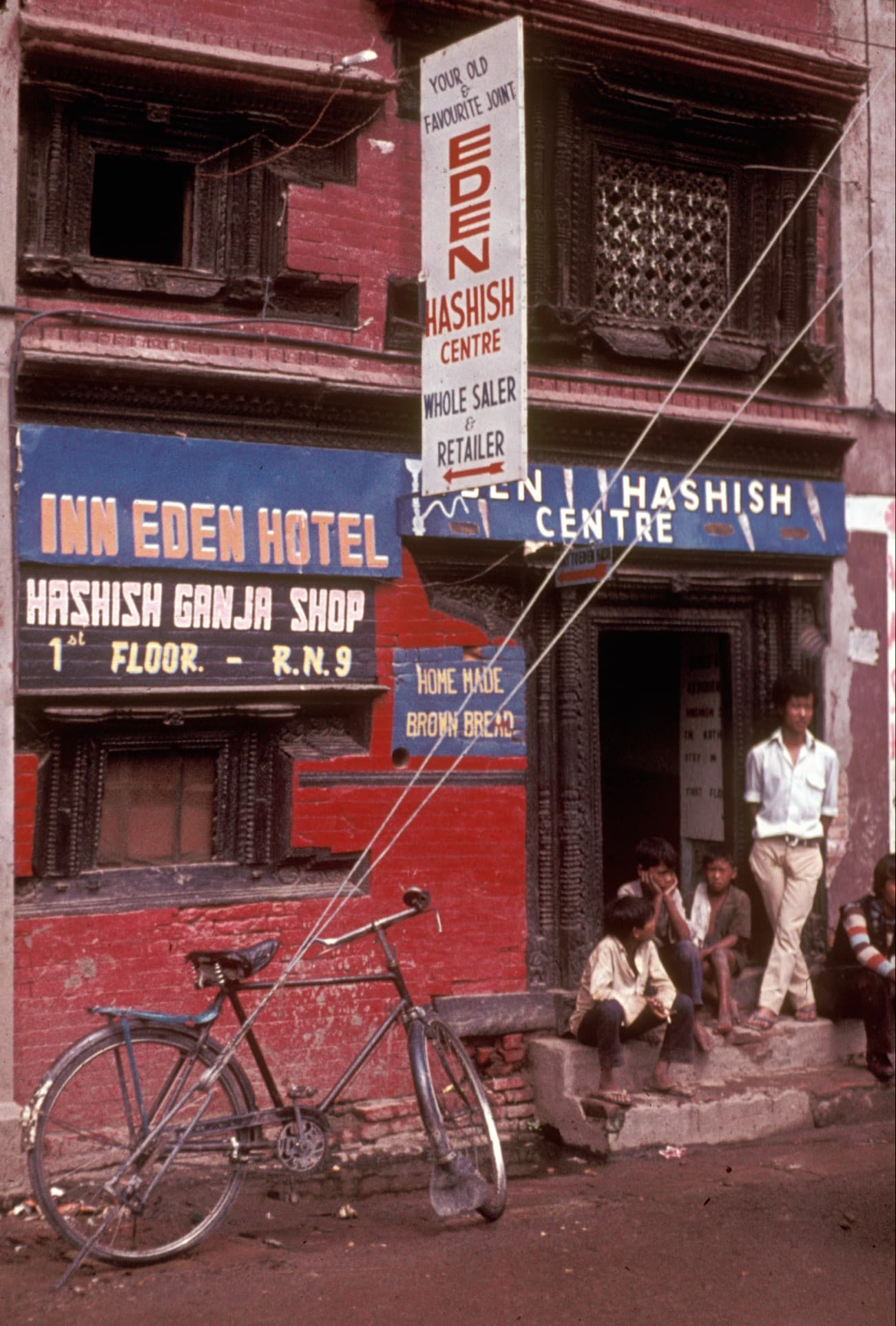
When retail spending cools off, it doesn’t always mean families have stopped needing things. More often, it means they’re getting pickier about what deserves a spot in the cart. That shift matters because it tells us shoppers are no longer rewarding convenience alone; they want timing, value, and a real reason to buy now instead of later.
For consumers, this is the practical side of living through an expensive era. People are delaying replacements, combining errands, skipping impulse extras, and waiting for promotions that feel worth the trip. That’s not gloomy behavior so much as a sharper standard. If a retailer wants a sale, the offer has to compete with rent, insurance, food, and every other bill that got less forgiving.
Stores should pay attention to that mood. Shoppers can spot fake markdowns, oversized packaging tricks, and loyalty programs that mostly generate marketing emails. The businesses that stand out in a slower moment are usually the ones that keep basics in stock, make pricing easy to understand, and offer promotions on things people actually buy every week.
For readers, the takeaway isn’t to obsess over one monthly number. It’s to notice that restraint is becoming its own kind of consumer power. A slower checkout line can be a sign that people are finally refusing to spend just because a store trained them to. In that environment, the best deals won’t come from buying more, but from being harder to impress.
Photo: Roger McLassus. via Wikimedia Commons (CC BY-SA 3.0).

Related stories
When Everyday Spending Gets Stickier, Households Need Better Defaults
When prices keep feeling heavier but people are still spending, the real story is often habit, not indulgence. This is a good moment to rebuild a few money defaults before small costs become permanent ones.
What a Strong Economy Actually Means at the Checkout Line
Big economic growth sounds abstract until it shows up in crowded stores, steadier paychecks, and businesses spending faster on new tools. For households, the real question is how to use a resilient moment without assuming every good trend will last forever.
Why School Season Still Acts Like a Mini Holiday for Main Street
When families reset routines for fall, neighborhood stores often get a short but meaningful boost. The lesson for shoppers and small-business owners alike is that seasonal spending still matters most when it feels practical.