What a Retail Slowdown Really Means for Your Weekend Errands
Big retail snapshots can feel abstract, but they often show up in ordinary places first: promotions, inventory piles, and the timing of everyday purchases. For shoppers, the useful move is not panic or prediction, but paying attention to where stores are suddenly trying harder.
National retail updates sound like economist material, but regular shoppers usually feel the change in much smaller ways. A softer month doesn’t automatically mean bargains everywhere, yet it can mean stores get more aggressive about moving inventory, protecting traffic, and convincing people to buy one more nonessential thing before they leave.
That matters because the best deals often appear when retailers are uneasy, not when they are confident. If a chain is worried about slower spending, you’re more likely to see extra coupons, longer sale windows, and more urgency around seasonal goods, home items, apparel, and other categories that can sit too long on shelves. It’s a good moment to buy deliberately instead of reactively: replace what you already planned to replace, and ignore the fake scarcity.
It’s also a reminder to separate necessities from mood-based shopping. When the retail climate gets choppy, stores tend to get better at marketing little luxuries as practical purchases. Sometimes that works in your favor, especially if you’ve been waiting out a purchase and inventory finally loosens up. But a promotion is only savings if it moves up a need you actually had, not if it creates one.
For households trying to stretch a budget, the smartest response is boring in the best way. Watch for markdown patterns at the stores you already use, compare timing before buying discretionary items, and don’t confuse a busier promotional calendar with a healthier wallet. Retail reports tell businesses how nervous consumers are. Shoppers can use the same signal to become a little less impulsive and a little more strategic.
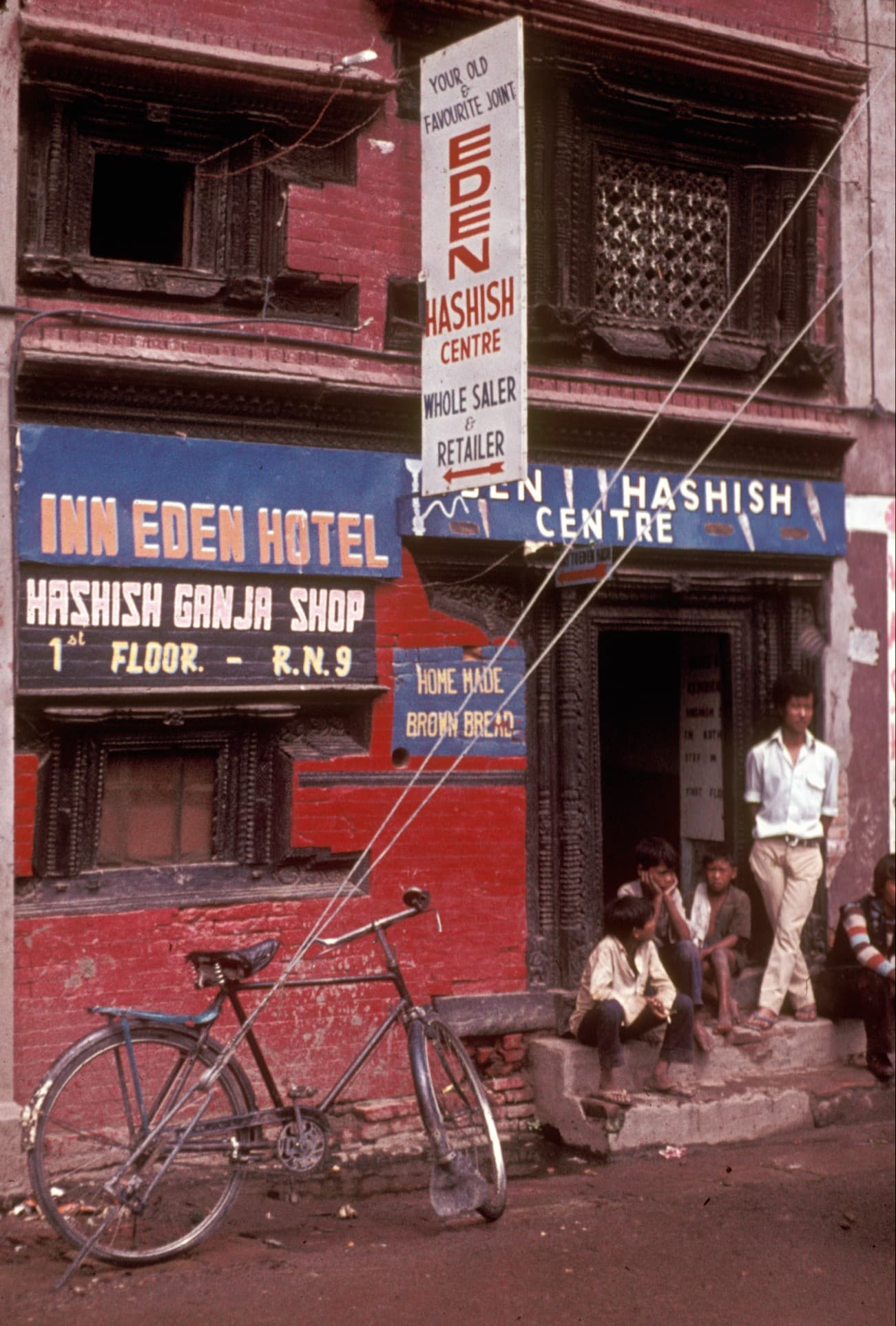
Photo: Roger McLassus. via Wikimedia Commons (CC BY-SA 3.0).

Related stories
When Everyday Spending Gets Stickier, Households Need Better Defaults
When prices keep feeling heavier but people are still spending, the real story is often habit, not indulgence. This is a good moment to rebuild a few money defaults before small costs become permanent ones.
What a Strong Economy Actually Means at the Checkout Line
Big economic growth sounds abstract until it shows up in crowded stores, steadier paychecks, and businesses spending faster on new tools. For households, the real question is how to use a resilient moment without assuming every good trend will last forever.
Why School Season Still Acts Like a Mini Holiday for Main Street
When families reset routines for fall, neighborhood stores often get a short but meaningful boost. The lesson for shoppers and small-business owners alike is that seasonal spending still matters most when it feels practical.