Why a Spending Surge Doesn’t Mean Households Feel Rich
A strong month for consumer spending can sound like a victory lap, but many Americans know the difference between buying more and feeling financially comfortable. The real story is how households keep spending while staying cautious everywhere else.
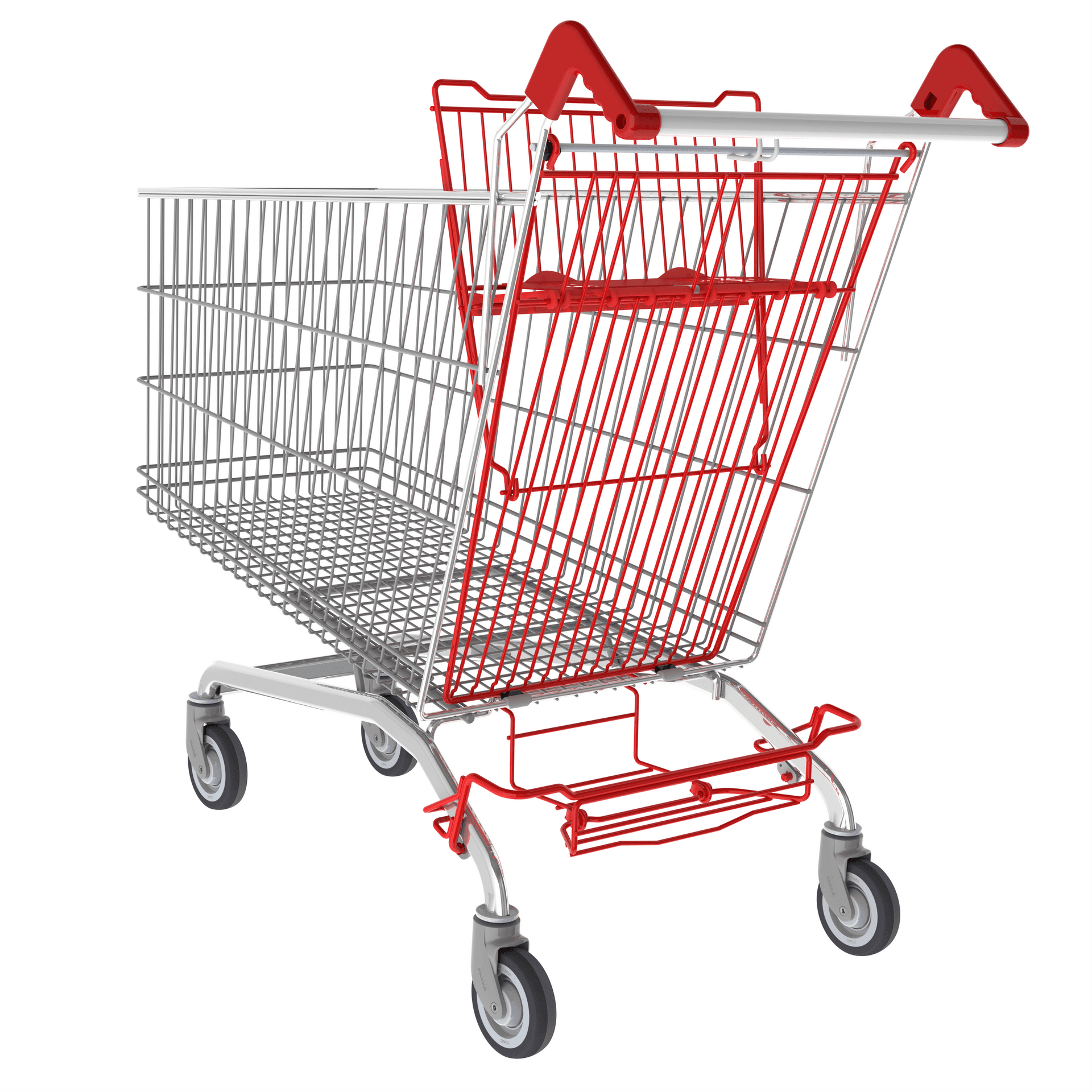
When headlines say consumers are spending again, it is tempting to read that as a sign that family budgets are suddenly healthier. For a lot of households, though, higher spending often reflects pressure as much as confidence. People still need groceries, gas, school supplies, child care, and a little room for normal life, even when they are watching every other line in the budget.
That is why the mood in many homes can feel so contradictory. Americans may keep restaurants, retailers, and travel companies busy while also delaying bigger decisions like replacing a car, moving, renovating, or taking on new debt. Spending can rise at the same time people become more selective, trading down in some aisles, chasing store brands, and waiting longer before calling anything a want instead of a need.
For shoppers, the practical takeaway is not to let upbeat economic news talk you into loosening your own standards. If your bills still feel sticky, keep acting like a careful buyer. Compare unit prices, question subscriptions that quietly renew, and separate one-time splurges from recurring costs that can linger for months. A stronger economy on paper does not automatically improve the math in your checking account.
For businesses, this is a reminder that customers are still showing up, but not mindlessly. They want convenience, clear value, and fewer unpleasant surprises. The brands that win in this kind of environment are usually not the flashiest ones. They are the ones that make people feel like they made a smart decision, which may be the most valuable product any company can offer right now.
Photo: Caddiedrusenheim via Wikimedia Commons (CC BY-SA 4.0).

Related stories
When Everyday Spending Gets Stickier, Households Need Better Defaults
When prices keep feeling heavier but people are still spending, the real story is often habit, not indulgence. This is a good moment to rebuild a few money defaults before small costs become permanent ones.
What a Strong Economy Actually Means at the Checkout Line
Big economic growth sounds abstract until it shows up in crowded stores, steadier paychecks, and businesses spending faster on new tools. For households, the real question is how to use a resilient moment without assuming every good trend will last forever.
Why School Season Still Acts Like a Mini Holiday for Main Street
When families reset routines for fall, neighborhood stores often get a short but meaningful boost. The lesson for shoppers and small-business owners alike is that seasonal spending still matters most when it feels practical.