Fresh stories — Business
Fresh stories in Business — clear takes built for curious readers who want something worth finishing, and worth passing along.

When Everyday Spending Gets Stickier, Households Need Better Defaults
When prices keep feeling heavier but people are still spending, the real story is often habit, not indulgence. This is a good moment to rebuild a few money defaults before small costs become permanent ones.

What a Strong Economy Actually Means at the Checkout Line
Big economic growth sounds abstract until it shows up in crowded stores, steadier paychecks, and businesses spending faster on new tools. For households, the real question is how to use a resilient moment without assuming every good trend will last forever.

Why School Season Still Acts Like a Mini Holiday for Main Street
When families reset routines for fall, neighborhood stores often get a short but meaningful boost. The lesson for shoppers and small-business owners alike is that seasonal spending still matters most when it feels practical.

Why Steady Spending Still Feels Like a Budget Squeeze
Americans are still opening their wallets, but that doesn’t mean money feels easy. The real story is how households are getting more selective, stretching routines, and redefining what counts as a smart buy.

What Empty Parking Lots Can Tell You About Shifting Spending Habits
Consumer confidence doesn’t always show up in headlines first. Sometimes the clearest clues are quieter: lighter shopping traffic, more selective purchases, and households stretching the life of what they already own.

Why Shoppers Keep Opening Their Wallets Even When Prices Still Sting
Americans are still spending, but that doesn’t mean household budgets feel comfortable. The real story is how people are getting more selective, stretching timing, and redefining what counts as a worthwhile purchase.

Why a Spending Surge Doesn’t Mean Households Feel Rich
A strong month for consumer spending can sound like a victory lap, but many Americans know the difference between buying more and feeling financially comfortable. The real story is how households keep spending while staying cautious everywhere else.
When Prices Ease, It’s a Good Time to Recheck Your Everyday Defaults
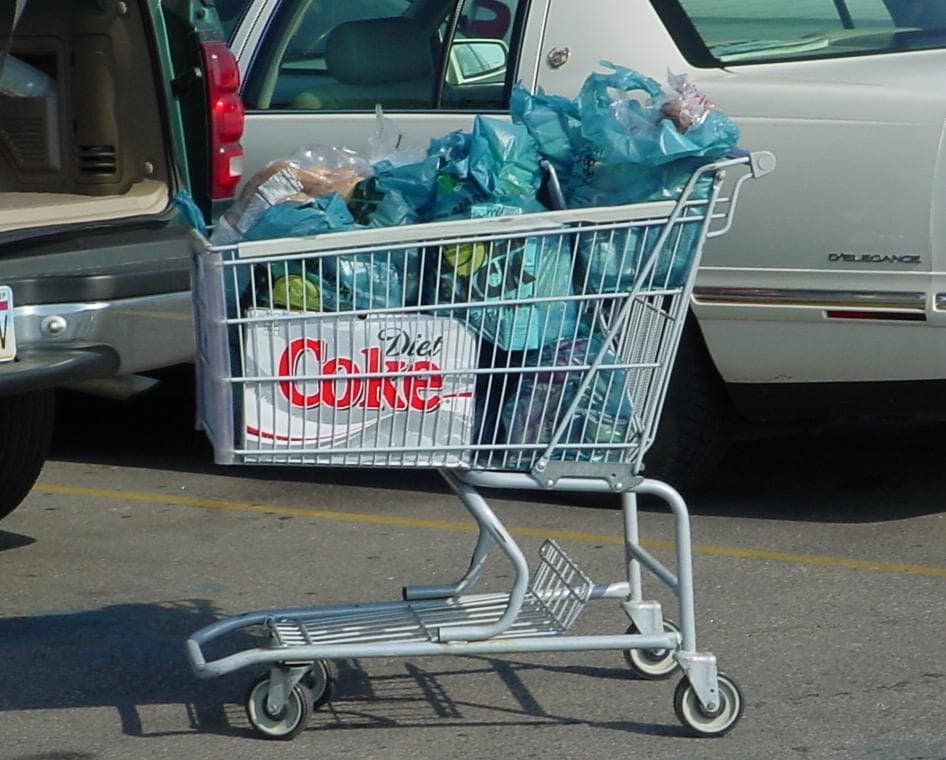
A cooler inflation reading doesn’t mean shopping suddenly gets cheap, but it does create a smart moment to revisit the habits that quietly shape a household budget. Small resets on subscriptions, staples, and timing can matter more than chasing dramatic savings.
Consumers Keep Carrying the Economy, but Households Shouldn’t Get Complacent
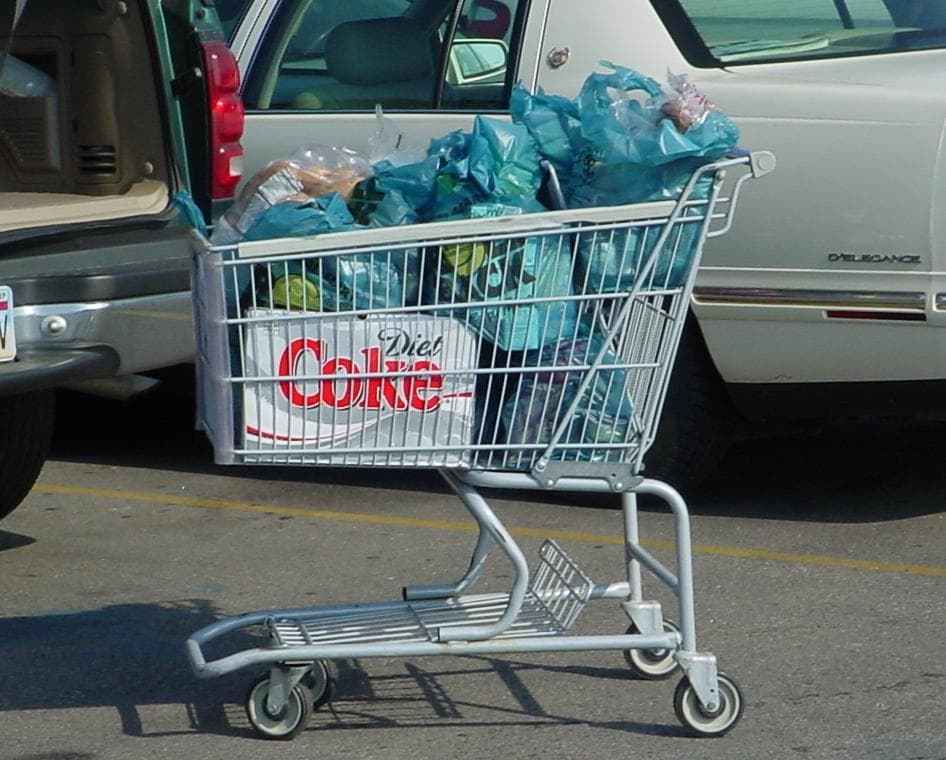
Stronger consumer spending can sound like a national win, but for households it’s also a reminder to check whether confidence is turning into drift. When the economy looks sturdy, the smartest move is often tightening up the basics before costs rise again.

When Every Errand Feels More Expensive, Households Get Defensive
When routine costs keep rising faster than paychecks feel, shoppers don’t just buy less—they buy differently. That shift can ripple from grocery aisles to weekend plans and big-ticket purchases.
Why Steady Store Spending Still Feels Cautious at Home
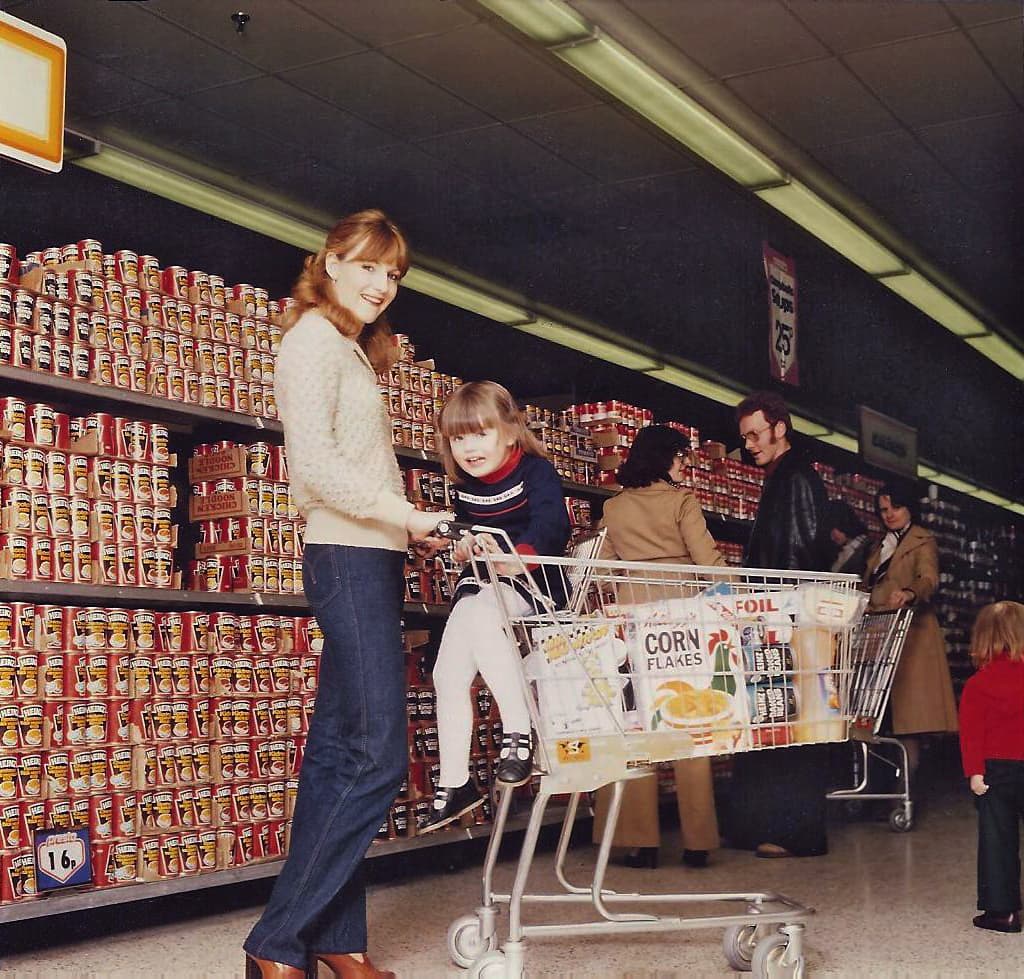
Retail spending keeps moving, but many households are shopping with a tighter filter. The real story is not just that people are buying, but how much more deliberate those purchases have become.

Why a Strong Spending Month Doesn’t Mean Your Budget Feels Strong
A big month for consumer spending can look healthy on paper while still leaving households feeling stretched. For many Americans, the real story is not splurging, but paying more to keep everyday life moving.

Why a Cooler Inflation Read Still Doesn’t Feel Like a Bargain
A softer inflation report may sound like relief, but most households are still budgeting around prices that rose fast and stayed high. The practical takeaway is to spend with more intention, not assume everyday costs are suddenly easier.

When Spending Stays Strong, Households Should Get Pickier
A stronger growth read sounds like good news, but for households it’s also a reminder that steady spending can keep everyday prices sticky. This is a moment to be more selective, not more relaxed, about where your money goes.

Why a Softer Inflation Read Still Doesn’t Feel Like a Break at Checkout
A cooler inflation report may sound like relief, but most households are still shopping in a world shaped by years of higher prices. The practical question isn’t whether inflation is slowing — it’s where spending still feels stubbornly expensive.

What a Shopping Rebound Abroad Really Says About Consumer Mood
When retail picks up in a major shopping hub, it’s a useful reminder that consumers are still willing to spend when the mix feels worth it. For US readers, the lesson is less about optimism and more about watching where value, tourism, and experience overlap.

Why a Slow-Spending China Can Still Show Up in Your Cart
When households in China pull back, the ripple can reach American shoppers through discounts, shipping patterns, and business caution. The practical takeaway is to expect a market with more promotions in some categories and more uncertainty in others.
When a New Legal Market Opens, the Real Test Is Convenience
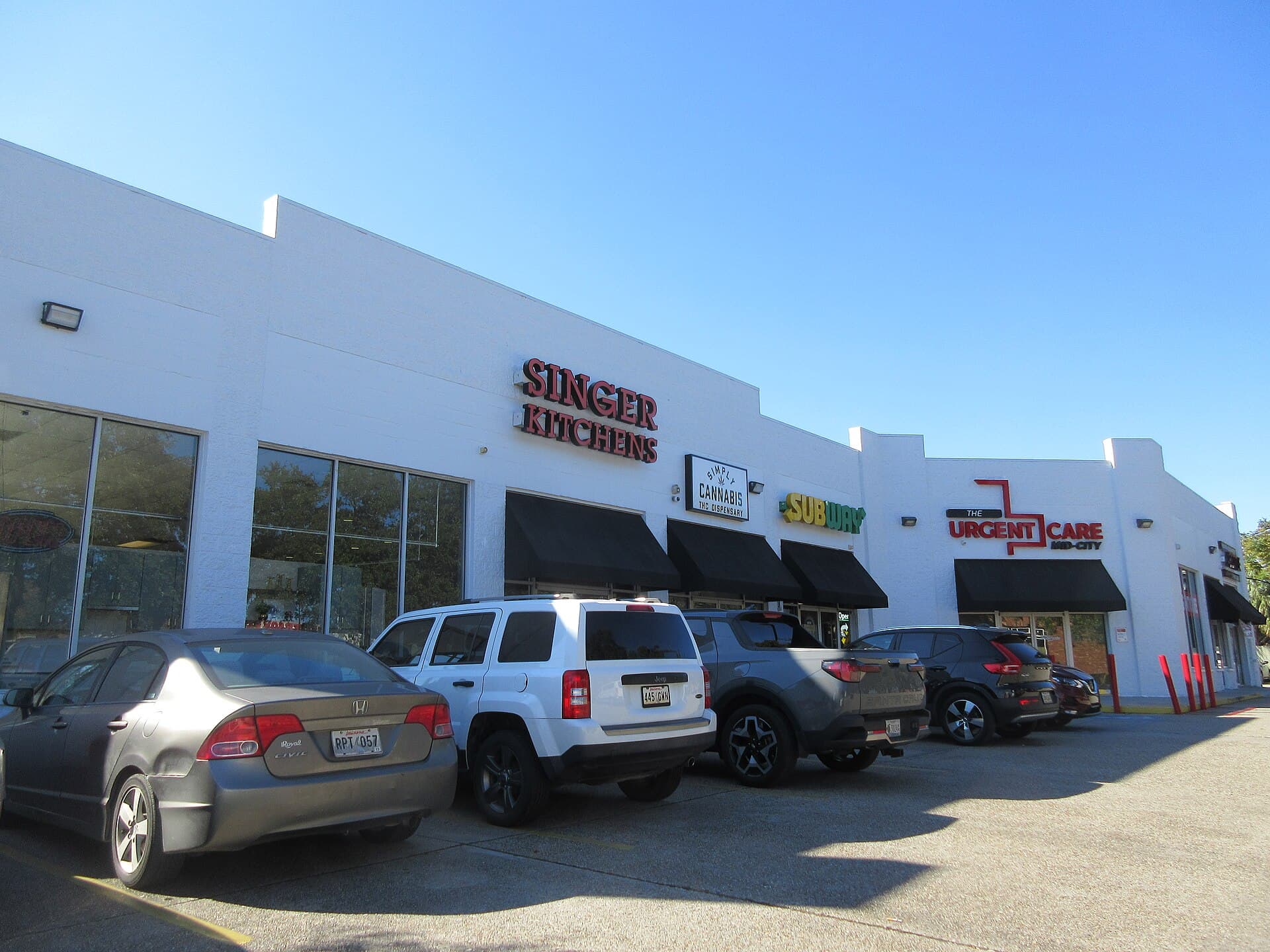
Big opening-month numbers can sound impressive, but what matters to shoppers is whether a legal market feels easier, safer, and more predictable than the alternatives. In any newly regulated category, convenience usually decides who wins.

When Shoppers Pause, the Best Deals Usually Follow
A softer month for retail is less a crisis for everyday shoppers than a reminder of how stores react when demand cools. For US readers, it’s a useful cue: slower spending often turns into better promos, more inventory pressure, and smarter timing for big purchases.

When Old-School Goods Get a Rebrand, Shoppers Should Look Past the Packaging
Heritage products are getting a youth-market makeover, but the real consumer question is simple: what actually improved besides the branding? For US shoppers, the trend is a reminder to separate cultural value from marketing gloss.
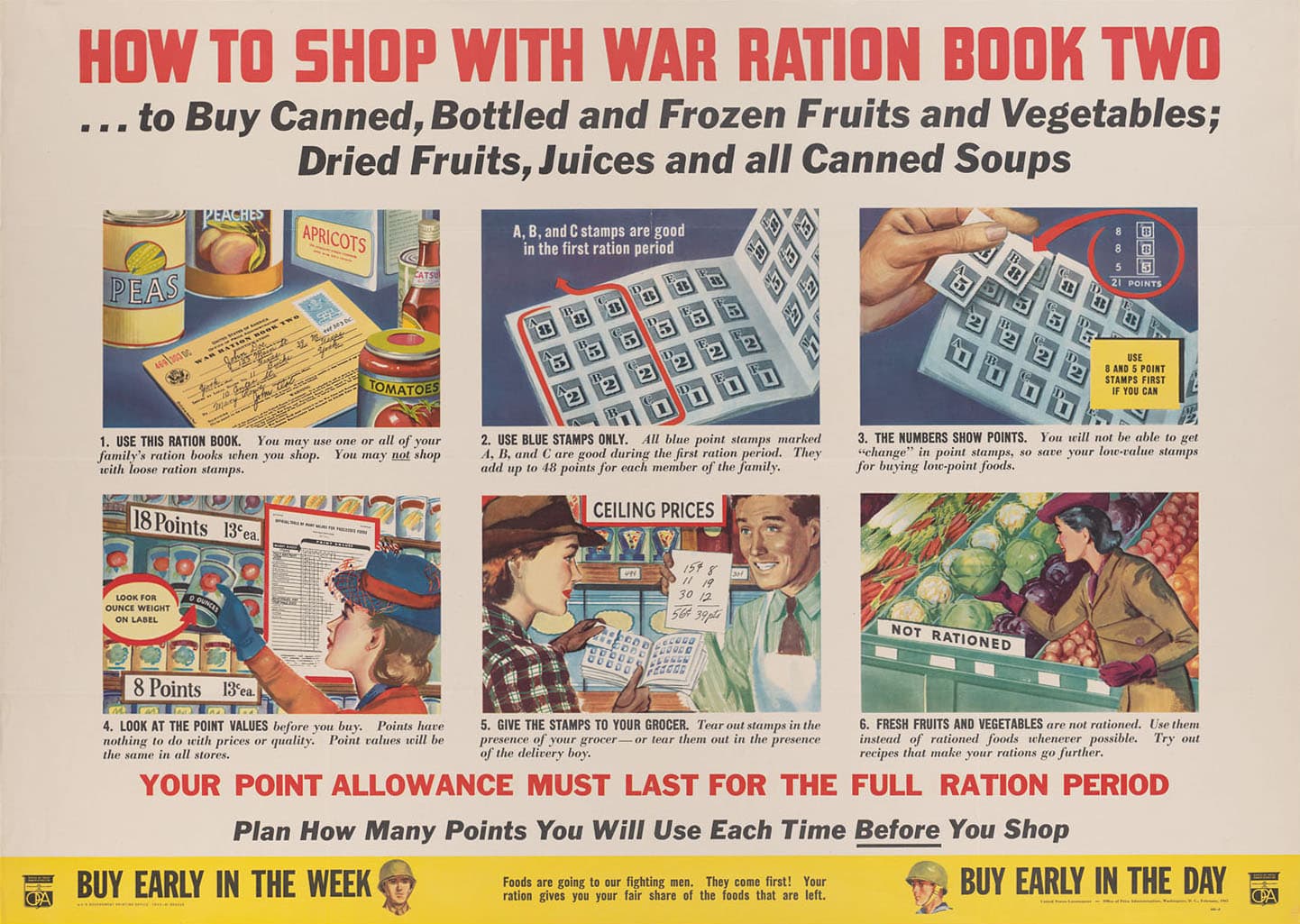
What Soup Aisle Price Moves Really Mean for Your Grocery Routine
When a big packaged-food company talks about raising prices and cutting costs, shoppers usually feel it first in the center aisles. The smart response is less panic-buying and more attention to which pantry staples still deliver value.
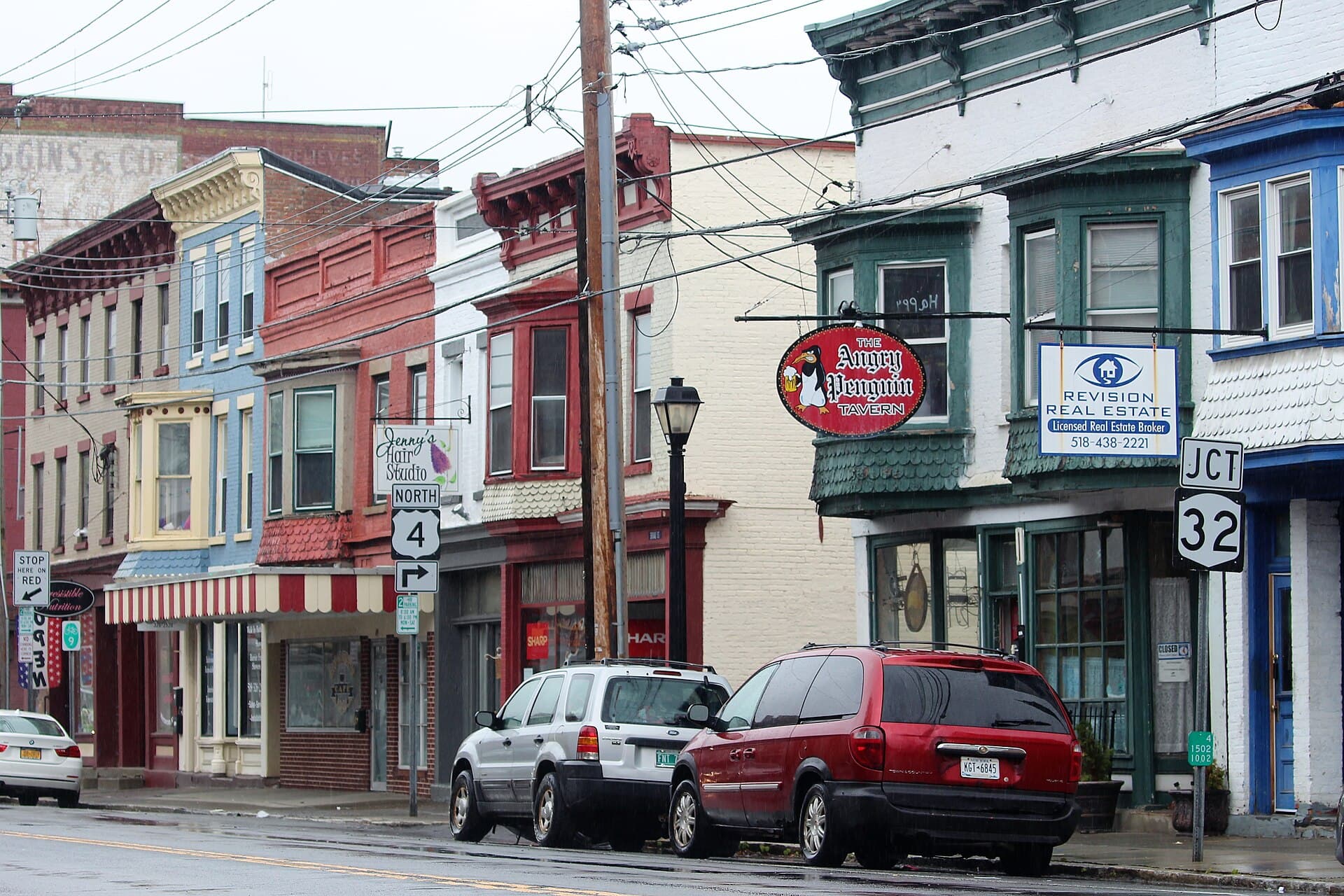
Why the One-Big-Trip Shopper Is Reshaping Main Street
Americans are still spending, but many are doing it with fewer errands and more intentional carts. That shift matters for small businesses trying to win a customer before the next long gap between visits.

What Big AI Tool Budgets Mean for Everyday Work Software
When top research teams spend heavily on coding tools, it signals where office software may be headed next. For regular workers and small businesses, the real question is which paid features actually save time instead of just adding another monthly bill.

Why a Slow Sales Month Doesn’t Always Mean Shoppers Are Pulling Back
A weak retail snapshot can hide a messier reality for households: timing quirks, category swings, and shoppers getting more selective instead of simply spending less. For consumers, the better lesson is to read the mood of the market without letting one report rewrite your budget.

Why a Soft Sales Month Doesn’t Always Mean Shoppers Pulled Back
One weak retail snapshot can say more about timing and category swings than household panic. For shoppers and small businesses alike, the smarter move is to watch habits, not just headlines.
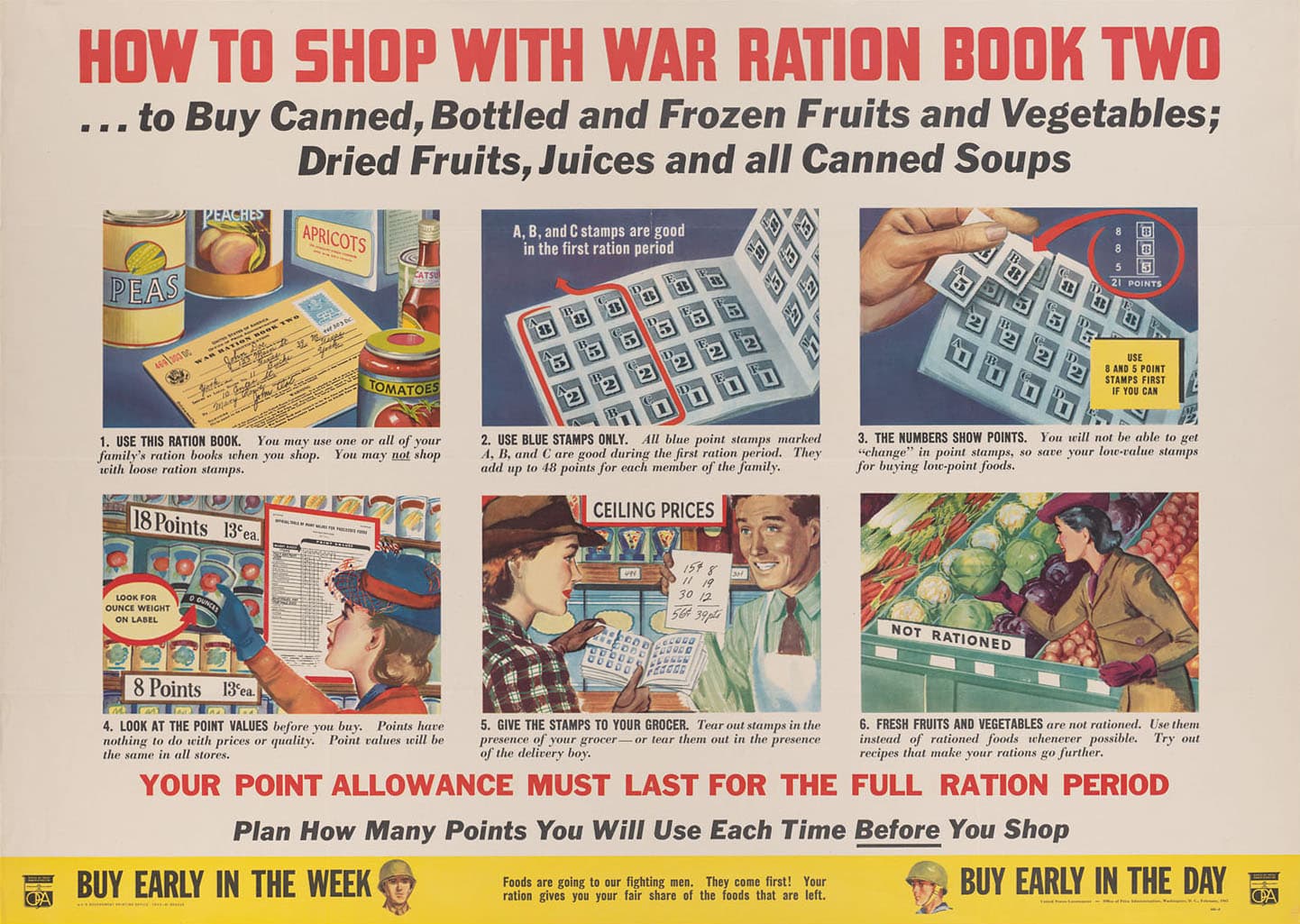
Why Pantry Staples Are Becoming a Budget Mood Ring
When big food brands brace for softer demand, it usually means shoppers are getting more selective in the grocery aisle. For households, that can be a useful cue to rethink which convenience buys still earn their place in the cart.

The Checkout Line Still Moves, Even When Hiring Feels Stuck
A soft job market doesn’t automatically send households into full retreat. For many Americans, spending has become less about splurging and more about protecting routine, convenience, and small comforts.

Why a Recession Warning Usually Starts at the Checkout Line
Big economic calls can feel abstract, but everyday spending habits often tell the more useful story. For households, the real value of recession talk is not panic—it's using the warning to tighten weak spots before higher costs or slower hiring do it for you.
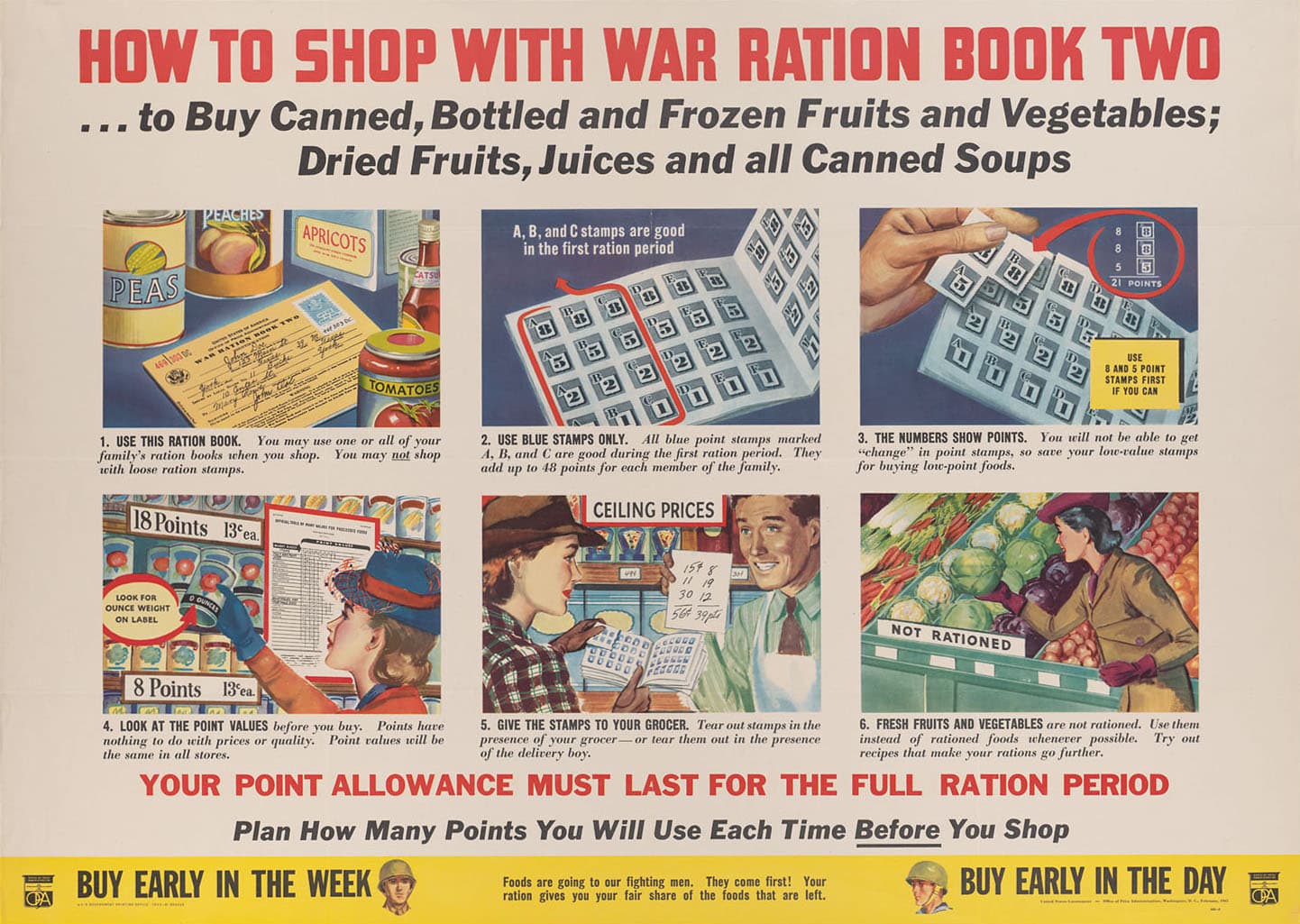
When Soup Gets Strategic, Shoppers Start Rewriting the Pantry
If big food brands lean on price hikes and cost cutting at the same time, shoppers usually feel it twice: at the shelf and in the package. For households trying to stretch grocery budgets, that’s a cue to shop categories more carefully, not just brands.

What a Recession Warning Really Means for Everyday Spending
Big economic warnings matter most when they change how households shop, save, and plan. For many Americans, the practical move is less panic and more tighter decision-making on the next six to twelve months of spending.
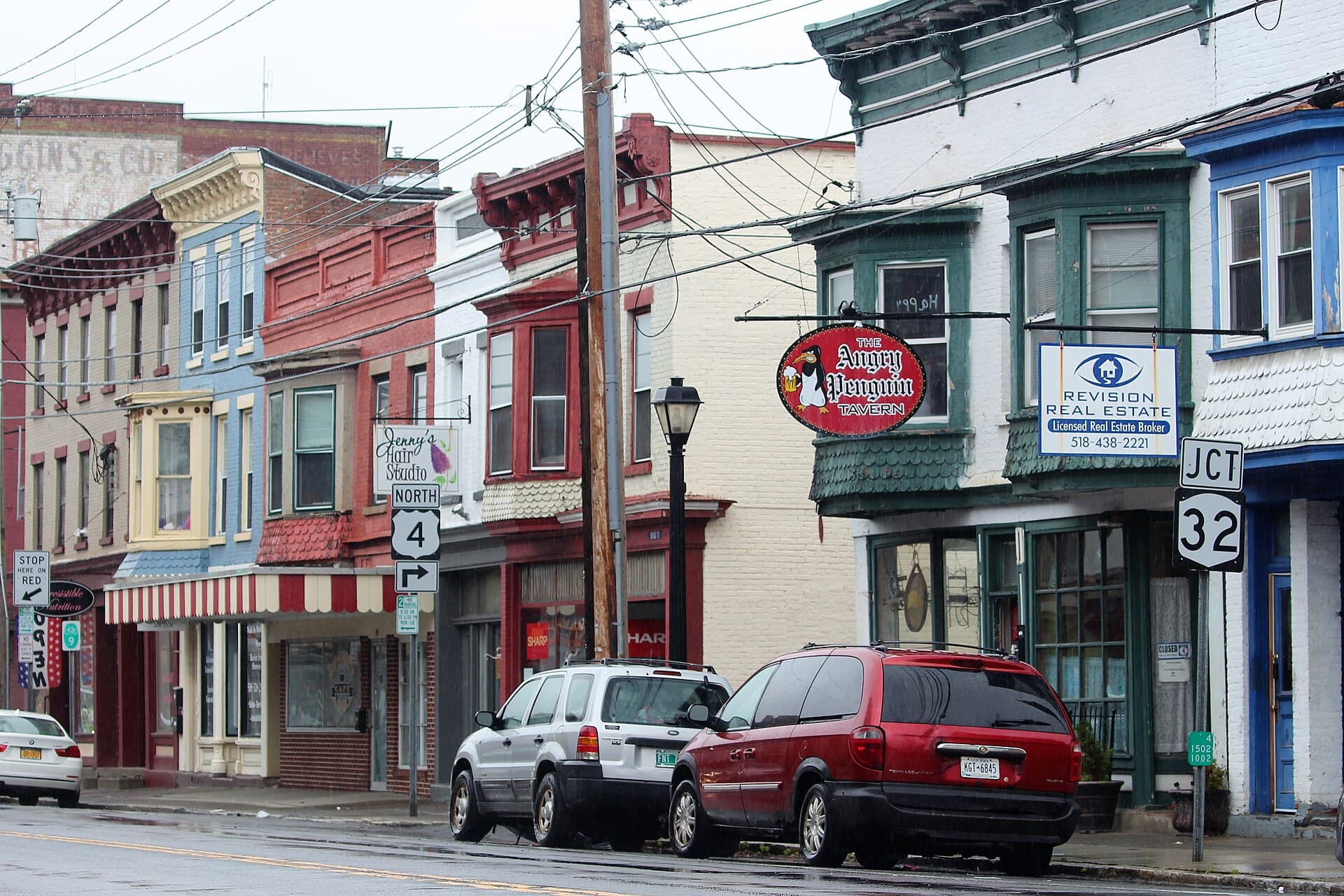
Why Main Street Can Feel Busy Even When Shoppers Show Up Less
Many Americans are making fewer shopping runs but spending more each time, a pattern that can help some small businesses while making planning tougher for others. For shoppers and owners alike, the real story is how habits are changing around convenience, budgeting, and value.

Why Checkout Lines Stay Busy Even When Work Feels Uncertain
A soft job market doesn’t automatically mean households stop spending. For many Americans, the bigger shift is not whether they buy, but how carefully they choose what still feels worth it.
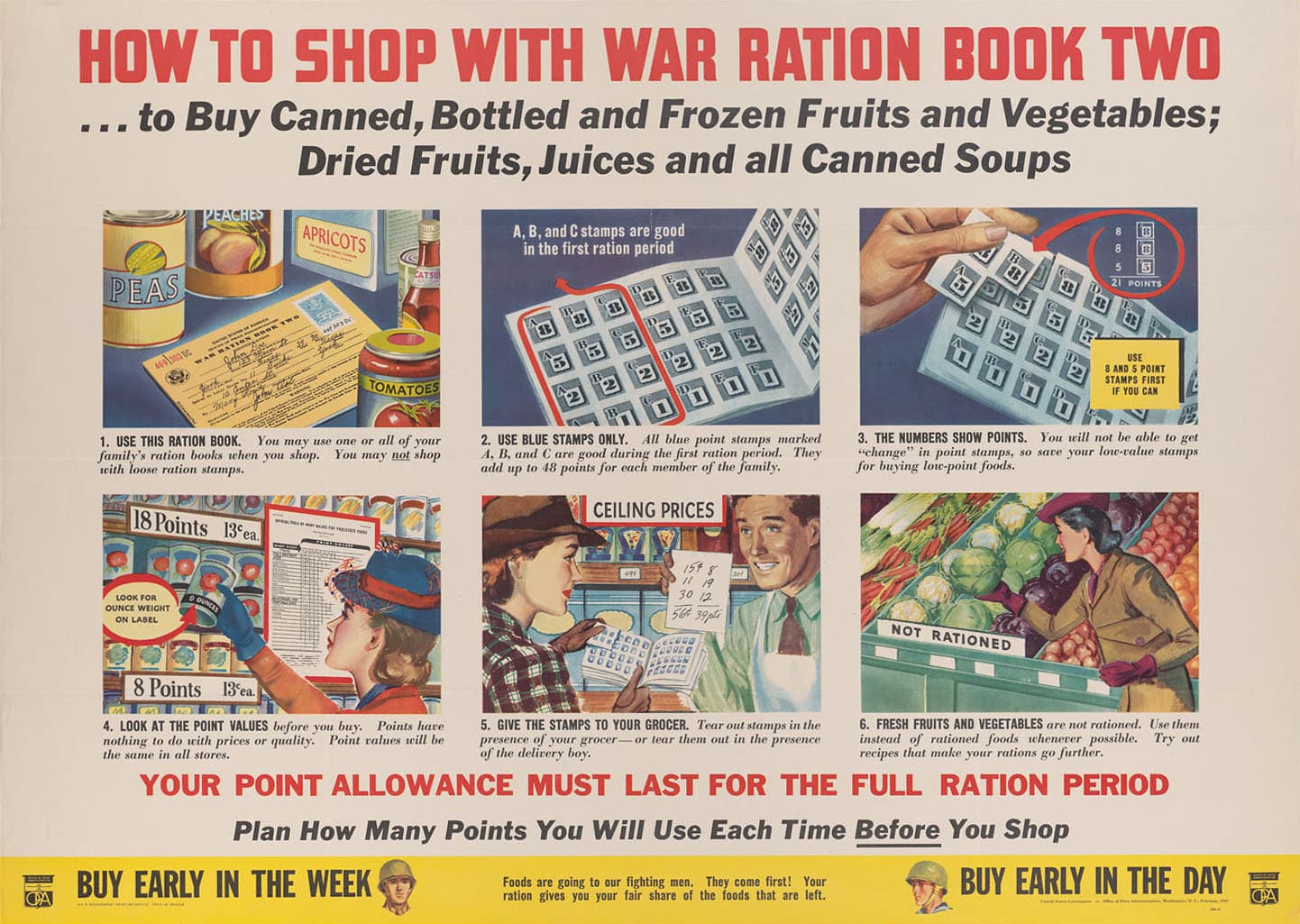
Why Pantry Staples Are Quietly Becoming Budget Decisions
When a familiar food company talks about raising prices and trimming costs at the same time, shoppers should expect more pressure in the grocery aisle. The real takeaway is that even basic pantry items now deserve a closer look before they land in the cart.

Don’t Let a Soft Sales Month Talk You Out of Smart Shopping
A weak retail snapshot can say more about timing and quirks than about how households are really doing. For shoppers, the better move is to stay practical: buy on need, watch for markdowns, and ignore the panic cycle.

When Shoppers Pull Back, the Real Warning Sign Is at Home
Weak shopping demand abroad is a useful reminder for US households: confidence can fade faster than budgets adjust. The smartest response isn’t panic spending or total retreat, but a more deliberate way of buying everyday essentials.

Why a Soft Retail Month Doesn’t Always Mean Shoppers Are Tapped Out
A weak retail snapshot can look scarier than it feels in everyday life. For households, the more useful question is where spending is shifting, not whether every category is booming at once.
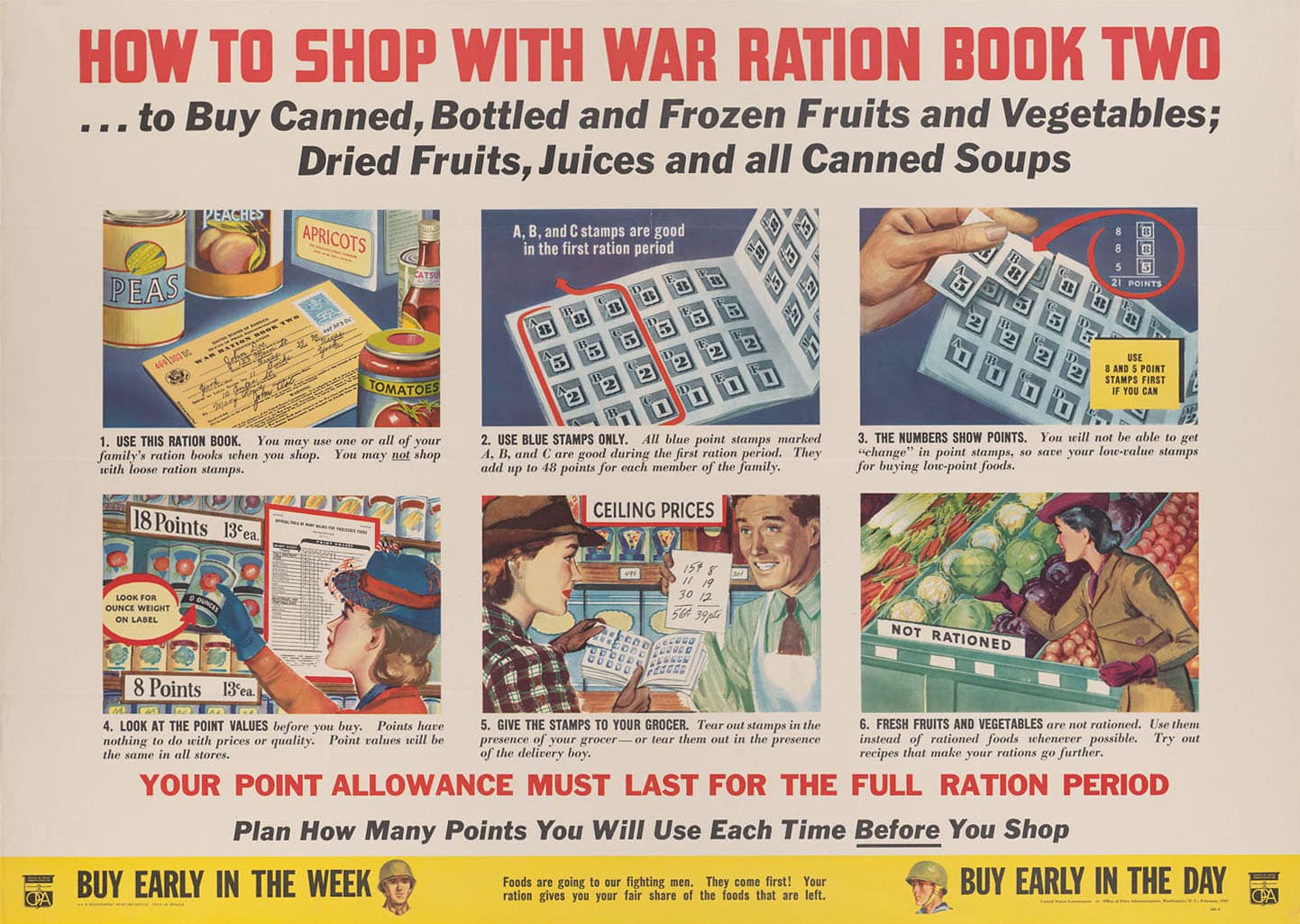
When Soup Giants Squeeze, Shoppers Learn to Read the Shelf Differently
When a big pantry brand talks about raising prices and cutting costs at the same time, shoppers should expect more than a higher receipt. It’s a reminder to compare unit prices, watch package sizes, and stay flexible about brands in the soup aisle.

Why Shoppers Are Treating Premium Spirits Like a Special-Occasion Buy
When households get cautious, even familiar splurges start moving from the weekly cart to the holiday shelf. The latest weakness in premium liquor is less about brand loyalty and more about how Americans are redefining 'worth it.'

Why Checkout Lines Still Feel Busy Even When Hiring Feels Slow
A softer job market hasn’t automatically turned Americans into shut-ins or extreme penny-pinchers. Many households are still spending, just with more strategy, more trade-offs, and a sharper eye for what feels worth it.

What a Slowdown in European Shopping Really Signals for American Households
When shoppers in a major economy pull back, it usually reflects a mood shift that travels farther than one country’s borders. For US households, it’s a useful reminder that value, timing, and flexibility matter more than trend-chasing right now.

Why a Big Furniture Discount Push Matters Beyond the Showroom
When a major home retailer leans into lower prices, it can shape how Americans think about furnishing, moving, and budgeting. The real story is what cheaper basics mean for households trying to make a place feel finished without overspending.

When the Refund Rush Ends, Real Household Budgets Show Up
The annual tax-refund bump can make the economy look healthier than everyday life really feels. As that extra cash fades, shoppers and businesses alike have to adjust to what people are actually willing to spend.

What a Retail Slowdown Really Means for Your Next Shopping Trip
When monthly retail numbers cool off, it can show up in everyday life as more promotions, more hesitation, and a little more leverage for shoppers. For households watching spending closely, that shift matters less as economics trivia and more as a practical cue for when to buy.
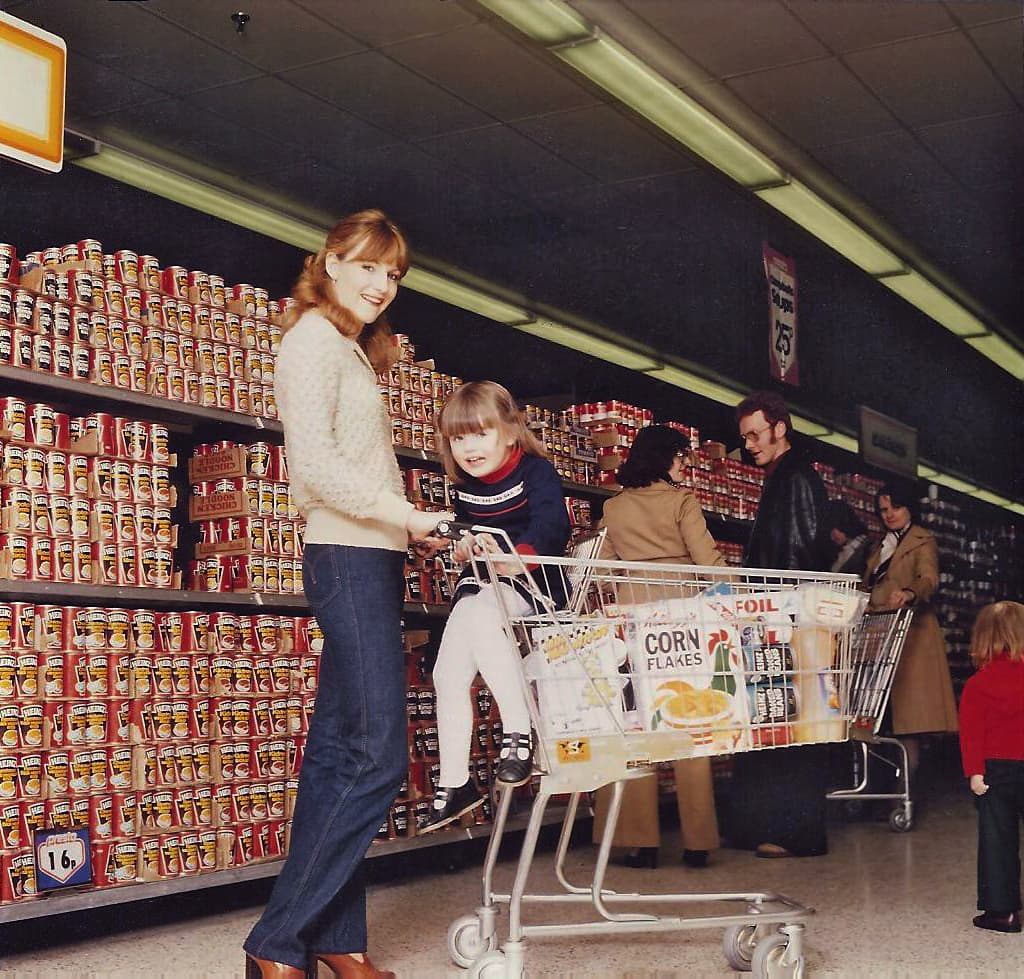
Why Shoppers Are Doing the Math Before Every Cart
When big retailers, spending reports, and hiring data all hint at strain, the takeaway for households is simple: people are becoming more selective. This is less about panic than about a new everyday discipline around essentials, timing, and trade-offs.
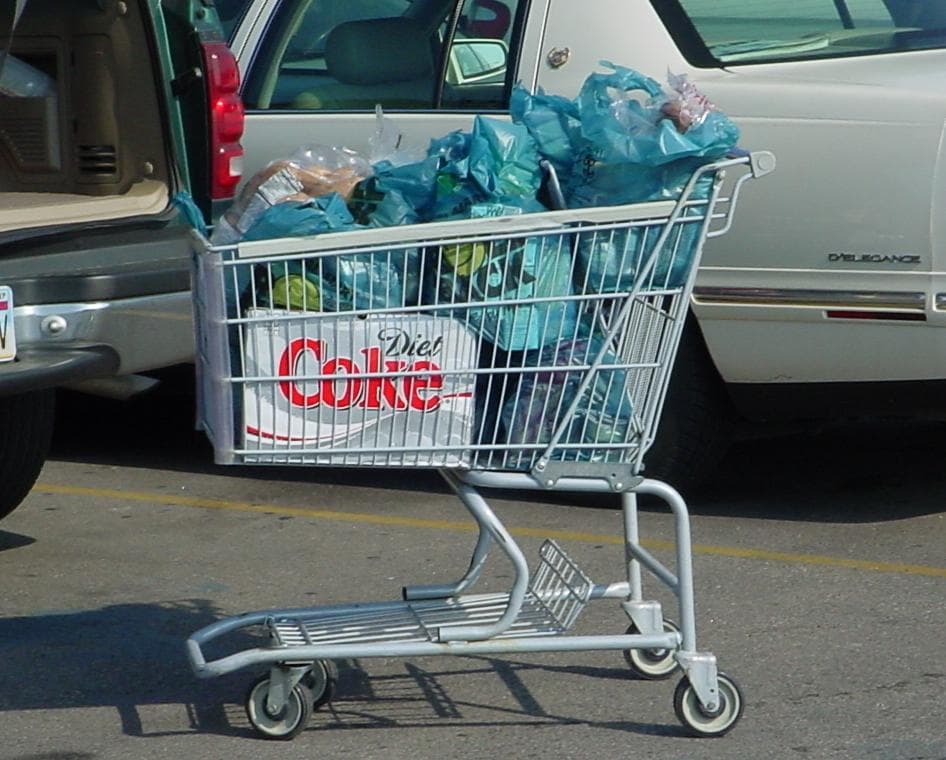
When the Biggest Cart Is More Cautious, Shoppers Should Read the Aisles Differently
If a giant retailer is signaling a more careful customer, that matters beyond Wall Street. For households, it’s a reminder that value now means timing, flexibility, and fewer autopilot purchases.
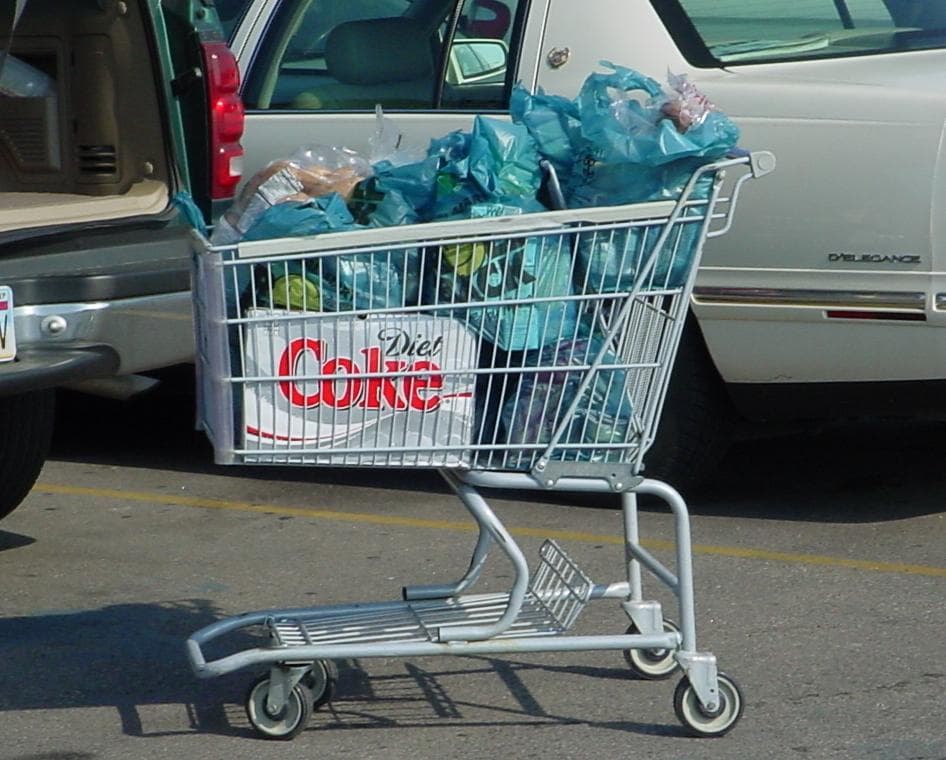
When Shoppers Pull Back, the Discount Aisle Becomes a Mood Ring
A slowdown at the country’s biggest retailer says less about one chain and more about how carefully Americans are shopping right now. For households, it’s a reminder that small buying habits often reveal the bigger economy before official forecasts do.

When the Refund Rush Ends, Households Start Shopping Like It’s Real Life Again
A spring spending bump can make the economy look healthier than it feels at home. Once tax refunds are spent, many households go back to the slower, more careful math that defines the rest of the year.

What a Pickup in Store Spending Can Really Tell Shoppers
When retail spending ticks up, it doesn’t always mean households feel flush. For US readers, the more useful takeaway is how consumers keep buying selectively and what that means for timing big purchases.

What a Canadian Shopping Slowdown Says About Budget Mood Everywhere
A softer month for Canadian retail is a useful reminder that consumers can look steady for a long time, then suddenly turn selective. For US households, it’s a cue to pay attention to where spending still feels worth it and where autopilot buying has gone too far.
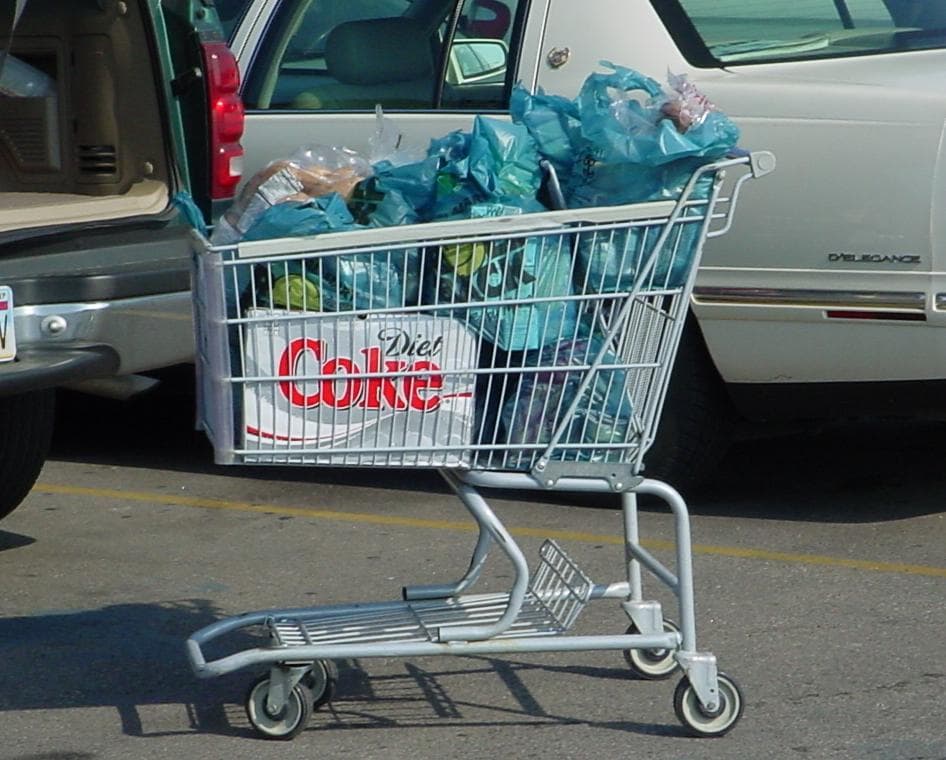
What a Slower Walmart Run Says About Everyday Budgets
When even routine big-box trips start looking smaller, it usually means households are getting stricter about what counts as essential. For shoppers, the real story is less about one retailer and more about how quickly everyday spending habits can shift.
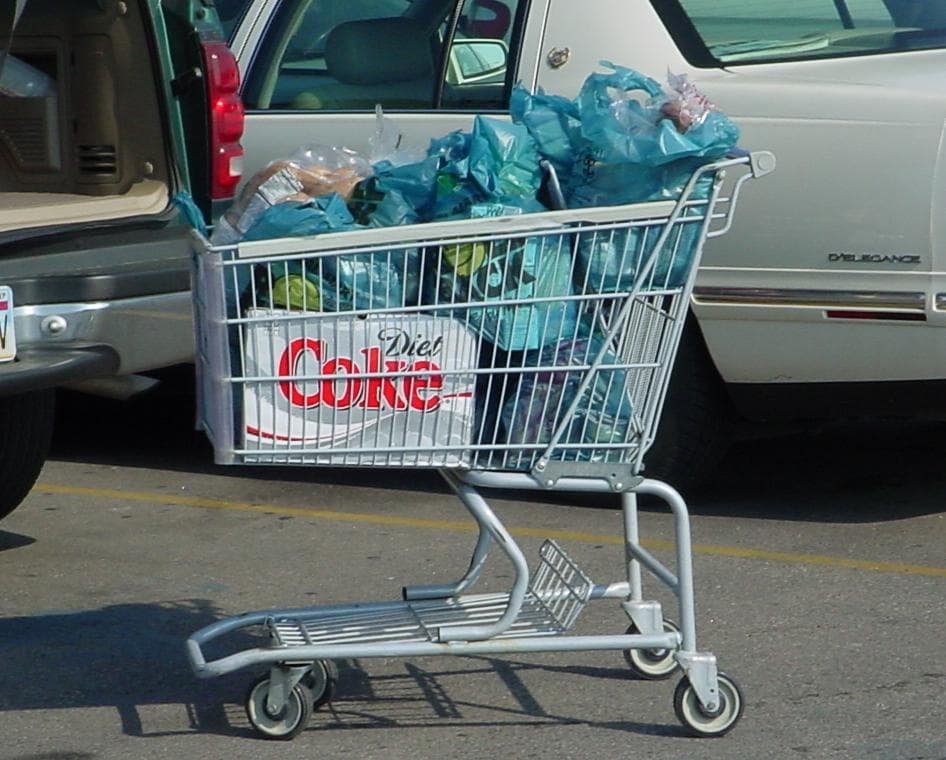
Why a Retail Slowdown Could Be Good News for Careful Shoppers
When a giant retailer turns cautious, it usually signals a more value-focused season ahead. For everyday shoppers, that can mean better timing, sharper comparisons, and less reason to buy on impulse.

When Shoppers Pull Back, the Smart Money Moves Get More Intentional
A slowdown in spending doesn’t just signal anxiety — it also changes how Americans shop. For households, this is a good moment to trade impulse buys for timing, comparison, and a stricter definition of what counts as worth it.

When the Refund Rush Ends, Household Reality Kicks In
A lot of spring spending gets mistaken for confidence when it’s really just tax-refund timing. As that extra cash dries up, families may shift back to repair mode, and businesses that rely on impulse buys could feel it first.

What a Retail Slowdown Really Means for Your Weekend Errands
Big retail snapshots can feel abstract, but they often show up in ordinary places first: promotions, inventory piles, and the timing of everyday purchases. For shoppers, the useful move is not panic or prediction, but paying attention to where stores are suddenly trying harder.

Why a Shopping Slowdown Can Be Good News for Your Budget
When Americans pull back on spending, it can feel like a warning sign. It can also be a useful reminder that buying less, waiting longer, and comparing harder are often the smartest consumer moves.
When Shoppers Pause, the Smart Money Moves to Basics
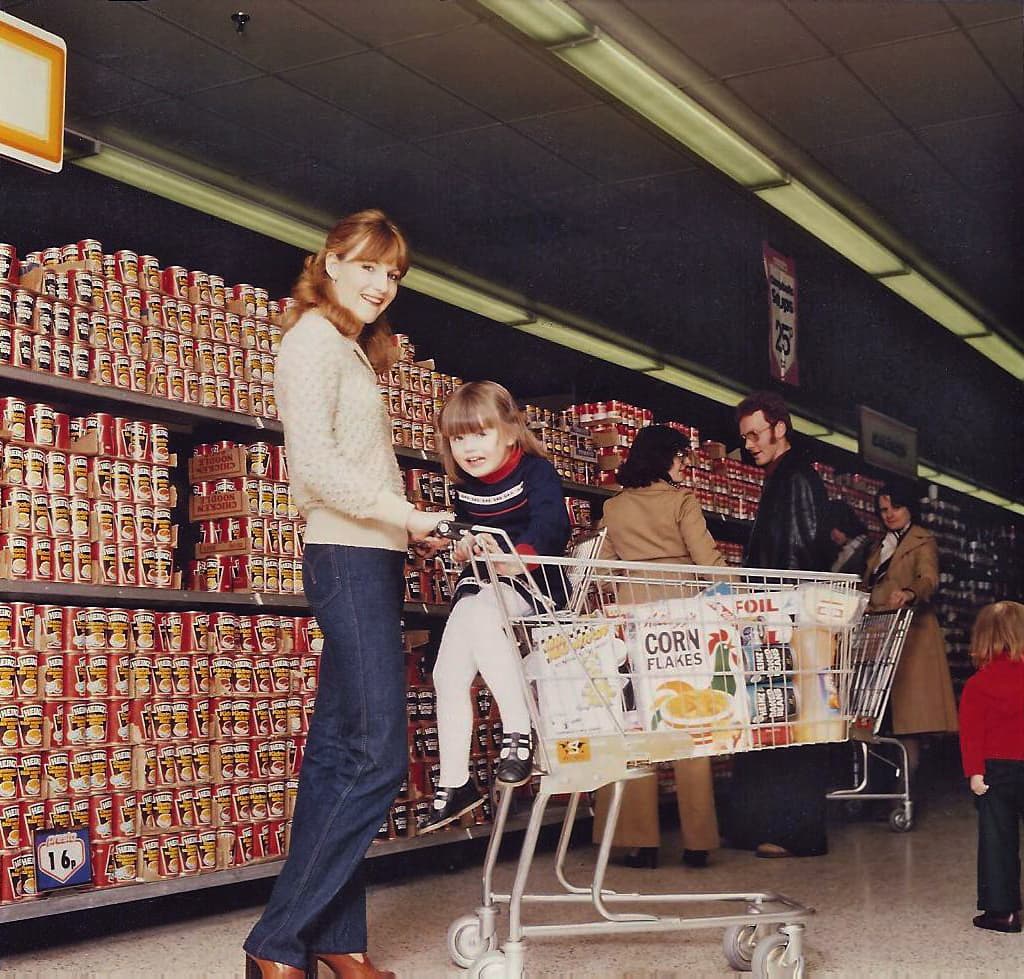
A softer month for store spending doesn’t mean consumers disappeared; it suggests more households are getting choosier. For shoppers, that usually means a better moment to focus on essentials, timing, and value instead of impulse buys.
The Pullback at the Register Is Starting to Look Intentional
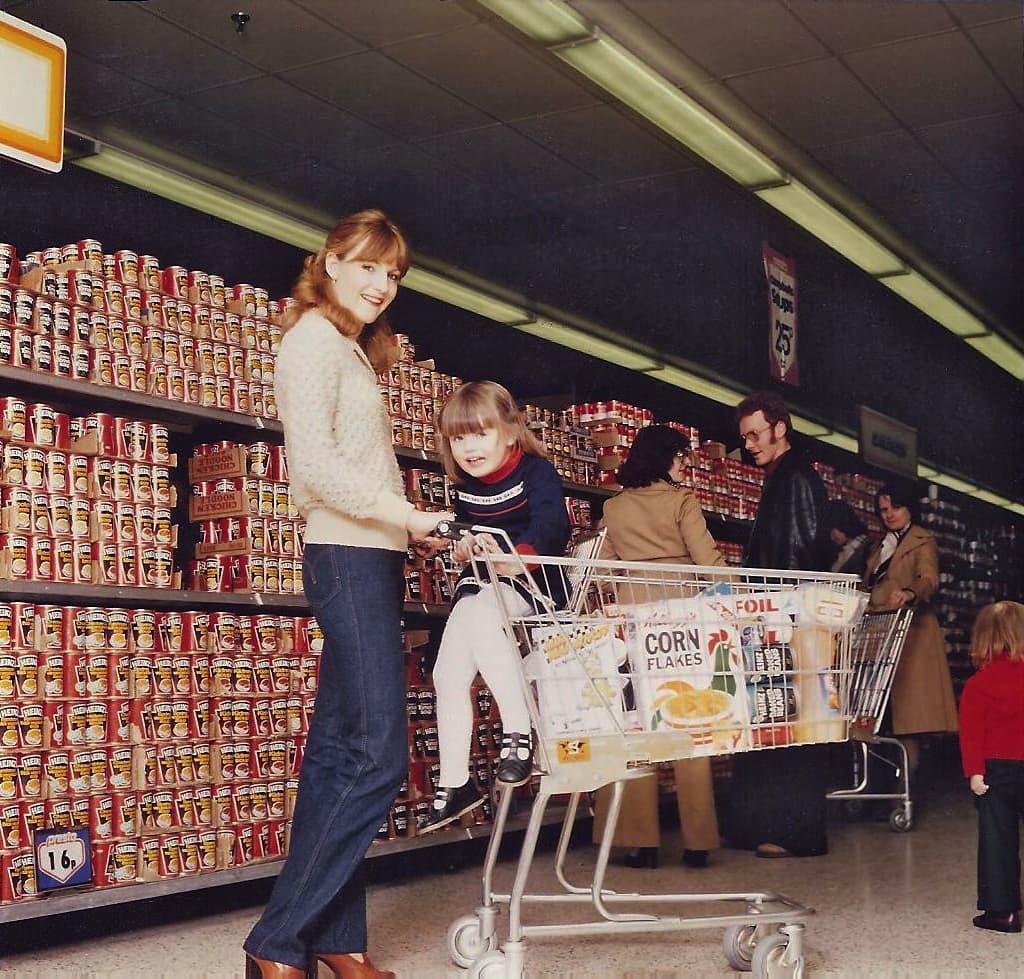
When shoppers spend less, it isn’t always panic—it can also be discipline. For many households, cutting back looks less like defeat and more like a practical reset after months of feeling squeezed.

What Store Sales Really Tell Shoppers Right Now
Retail sales updates are less about Wall Street and more about how Americans are adapting in real time. For shoppers, the useful takeaway is where spending is holding up, where people are pulling back, and how to plan purchases with a little more patience.

When Shoppers Get Choosier, the Whole Economy Feels It
A softer consumer mood doesn’t always look dramatic at first. More often, it shows up as delayed purchases, smaller carts, and a growing focus on essentials over impulse buys.
The New Shopping Mood Is Less Impulse, More Proof
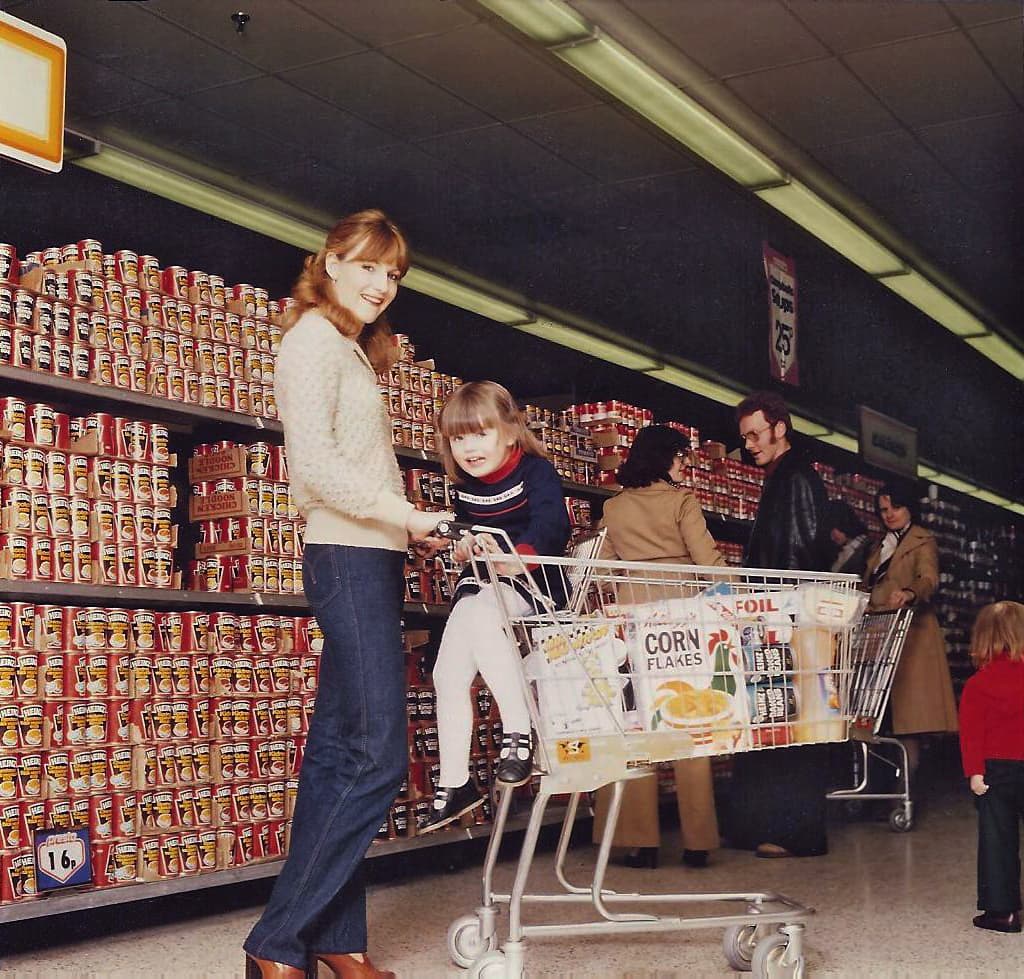
When shoppers feel uneasy, they stop rewarding vague value and start demanding obvious usefulness. That shift matters for anyone trying to stretch a paycheck or run a business that depends on discretionary spending.

What Store Sales Really Tell Shoppers Right Now
Big retail snapshots are useful, but the most practical takeaway for shoppers is simpler: watch where stores are discounting, where they are holding firm, and how your own routine is changing. A sales report can be less about the economy in the abstract and more about where everyday spending is getting easier or harder.

When the Refund Rush Ends, Real Budget Habits Start
A spring spending burst can make the economy look healthier than it feels at home. Once tax refunds are gone, everyday budgets tend to tell the more honest story.

When Shoppers Hit Pause, the Smart Money Moves Get Clearer
A slowdown in spending doesn’t just signal caution — it changes how households shop, compare, and delay. For consumers, this is the kind of moment that rewards patience and a sharper eye for value.

When Shoppers Pull Back, Smart Households Get Picky
A slowdown at the cash register doesn’t just signal economic nerves—it also reflects a more selective kind of spending. For households, that can be a useful reminder to buy with more intention, not just less.

What Store Sales Really Say About Household Mood
Retail updates are less about Wall Street trivia and more about how families are coping with higher everyday costs. Watching where shoppers pull back—or keep spending—can be a practical way to read the economy from the checkout line.

When the Tax Refund Glow Wears Off, Households Get Choosier Fast
A spring spending bump can make the economy look healthier than it feels in everyday life. Once refund season fades, shoppers tend to tighten up and focus on bills, basics, and purchases that truly earn their keep.

Why a Slower China Still Shows Up in Your Cart
When China’s growth cools, the effects can land far from Beijing—showing up in shipping patterns, retail discounts, and the timing of everyday purchases in the US. For shoppers, it’s less about market jargon and more about knowing where softness can turn into savings or delays.

When Shoppers Pull Back, Smart Spending Gets More Creative
A slowdown in retail spending doesn’t always mean people have stopped buying altogether. It often means households are getting sharper about timing, trade-offs, and what actually deserves a spot in the cart.

When Shoppers Pull Back, Smart Spending Gets More Intentional
A softer shopping season doesn’t just signal anxiety about the economy. It also shows how many households are getting sharper about timing purchases, skipping filler, and demanding real value.
When Shoppers Pause, the Smart Money Moves to Basics
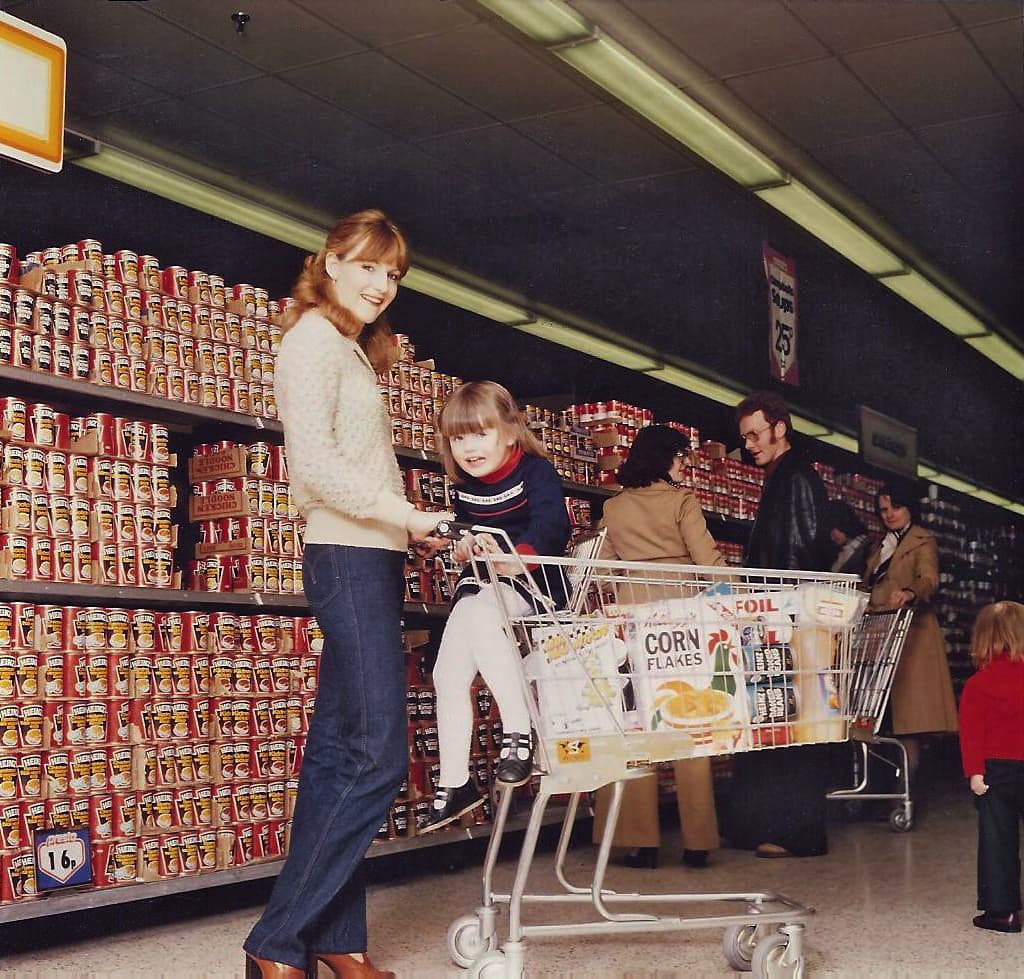
A softer month for retail is less a mystery than a mood check: households are getting choosier. For shoppers, that usually means fewer impulse buys and more attention on repairs, pantry staples, and purchases that have to earn their space.

If Credit Gets Scarcer, Everyday Spending Habits Will Change Fast
When lenders pull back, the biggest shift may show up in ordinary household decisions before it appears in headlines. For shoppers, the practical move is to treat easy credit as less reliable and budget with more cushion now.

When Shoppers Pause, Smart Households Get Picky
A softer month for retail doesn’t mean Americans stopped spending forever. It’s often a sign that households are getting more selective, delaying impulse buys, and demanding better value before they check out.

The New Checkout Mood Is Caution, Not Impulse
When shoppers pull back, it usually says less about a lack of desire and more about a lack of trust. Right now, many Americans seem to be saving their yes for purchases that feel durable, necessary, and genuinely worth it.

Why a Slower Checkout Line Can Be Good News for Shoppers
When spending cools, stores usually get more eager to win people back. For shoppers, that can mean a better moment to compare prices, wait for promotions, and be pickier about what deserves a place in the cart.

When Shoppers Pull Back, Smart Brands Stop Guessing
A softer month for retail usually says less about consumer mood swings than about growing intolerance for vague value. For businesses, this is the moment to tighten the offer, not just the discount.

When Shoppers Pull Back, the Smart Money Gets More Deliberate
A slowdown in retail spending doesn’t always mean people have stopped buying. It often means households are getting stricter about what feels worth it, and that shift can reshape how we shop day to day.
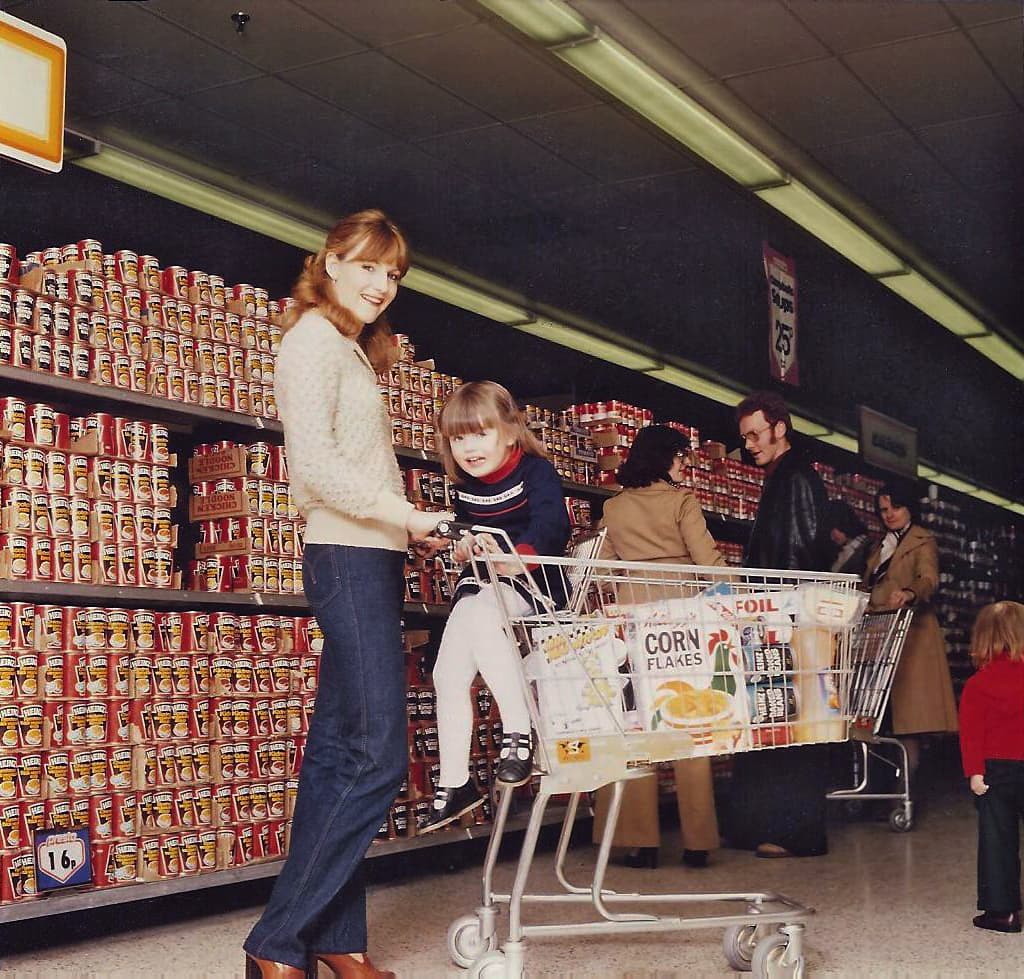
The New Shopping Mood Is Pause Before Purchase
When shoppers pull back, it usually means households are getting more selective, not that buying stops altogether. This is the moment to separate convenience spending from purchases that actually improve daily life.

When Shoppers Pause, Smart Households Get Pickier
A softer month for retail doesn’t just say something about the economy. It also reflects how many households are learning to delay impulse buys, compare options, and spend harder on what actually matters.

When Shoppers Pull Back, the Smart Money Gets Patient
A slower month at the checkout doesn’t just signal caution—it can create better buying conditions for households willing to wait. For shoppers, this is a reminder that timing and restraint are often the best deal strategy.

Shoppers Are Hitting Pause, and Stores Will Have to Earn Every Sale
A softer month for retail looks less like panic and more like discipline. For households, it’s a reminder that buying less can be a rational response when every errand feels more expensive.

When Shoppers Pull Back, Everyday Spending Gets More Intentional
A softer month for retail isn’t just a market story; it’s a household mood shift. For many Americans, spending is becoming less impulsive and more deliberate, with value and timing doing more of the work.
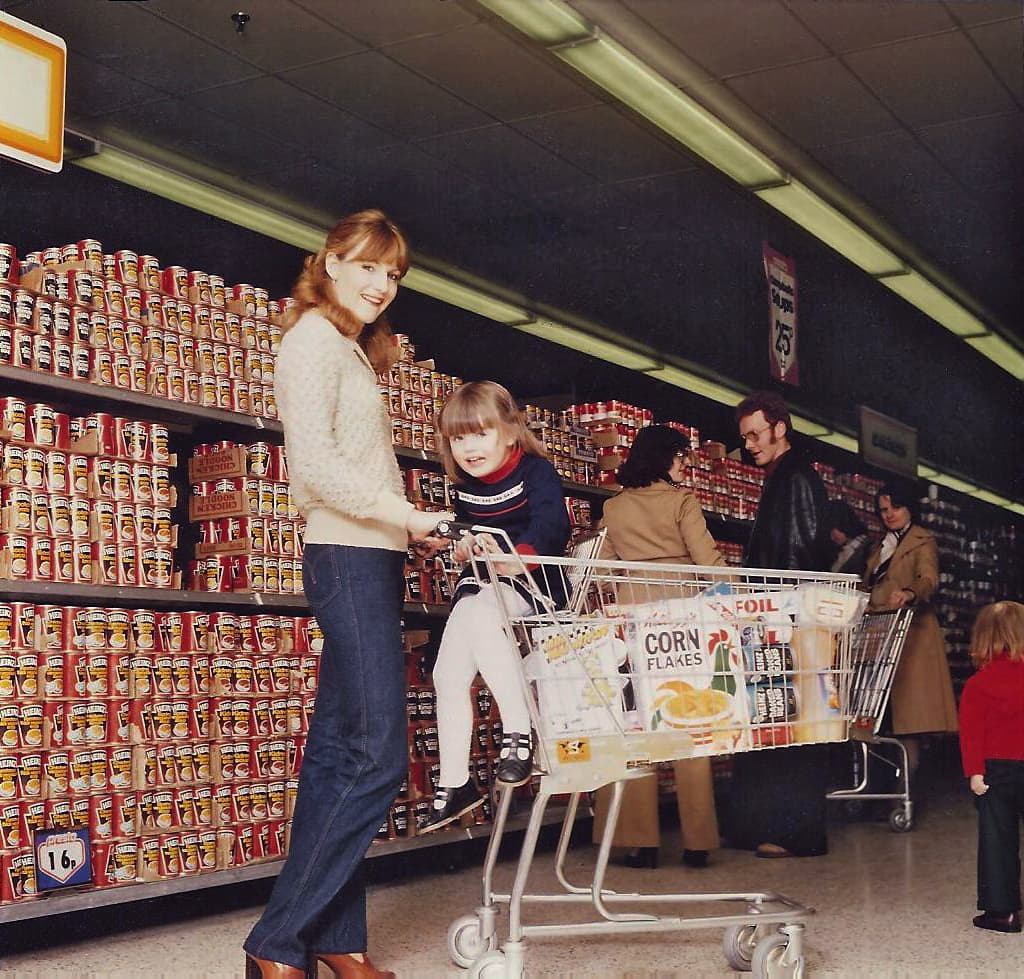
Why a Slow Shopping Month Can Be Good News for Your Budget
When spending cools off, shoppers often gain a little leverage. For households trying to stretch paychecks, a softer retail month can be a reminder to buy later, compare harder, and stop treating every sale as urgent.

When Shoppers Pull Back, the Best Deals Get More Interesting
A softer month for retail doesn’t always mean consumers have stopped spending. It often means households are getting choosier, waiting longer, and rewarding stores that offer real value instead of noise.

The New Frugal Mood Is Less About Panic and More About Standards
As everyday costs stay stubbornly high, more households are getting selective instead of simply spending less. The shift says as much about priorities and value fatigue as it does about inflation.
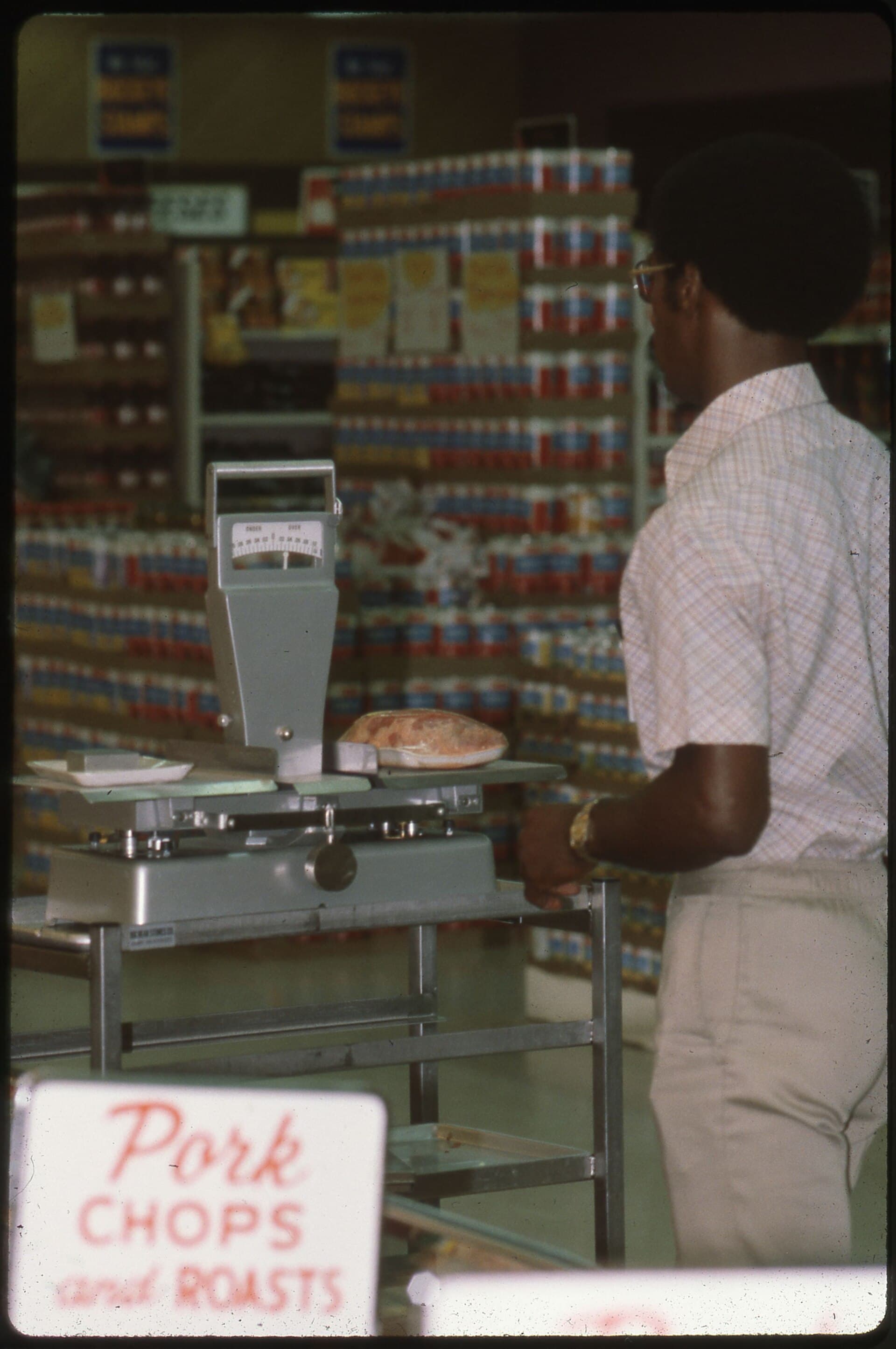
Why Pork Prices Can Feel Sticky Even When Shoppers Pull Back
Weak consumer spending doesn’t always translate into cheaper pork at the store. For households trying to stretch a grocery budget, it helps to watch cuts, timing, and substitutions instead of assuming prices will quickly ease.

When One Car Brand Gets Extra Generous, Shoppers Should Read the Fine Print
Big incentives can make a new car look like an obvious deal, but the smartest savings come from comparing the full cost of ownership, not just the headline discount. For shoppers, a surge in promos is less a green light than a cue to negotiate carefully.

Why Household Budgets Feel Looser and Tighter at the Same Time
Shoppers aren’t simply spending more or less—they’re reshuffling priorities in ways that make everyday life look contradictory. For US households, the real takeaway is how quickly small budget decisions become lifestyle signals.

What a Slower JD.com Says About the New Rules of Online Shopping
When a major e-commerce player grows more slowly but still beats expectations, it’s a reminder that retail is being judged on discipline, not just speed. For US shoppers and sellers, the lesson is simple: convenience still matters, but the easy-growth era is over.

The New Frugal Isn’t Cheap — It’s Just More Selective
As everyday costs stay stubborn, more households are editing their spending instead of giving up on comfort altogether. The real shift is becoming choosier about what still feels worth paying for.

Why a Cooling Car Market Abroad Still Matters at Home
A slowdown in overseas auto demand may sound far away, but it can shape inventory, pricing strategy, and EV competition in the US. For shoppers, it’s another reminder that patience and flexibility still matter more than hype.

Why Shoppers Keep Showing Up Even When Everyone Says to Pull Back
Americans are still spending, but the bigger story is where that money is going and how households are getting more selective. A long run of retail growth says less about carefree shopping and more about practical priorities.

Why Chasing Young Shoppers Can Be a Costly Brand Habit
Big forecasts about younger consumers can tempt brands into trend-chasing. For most businesses, the smarter play is solving everyday value problems instead of building an identity around one age group.
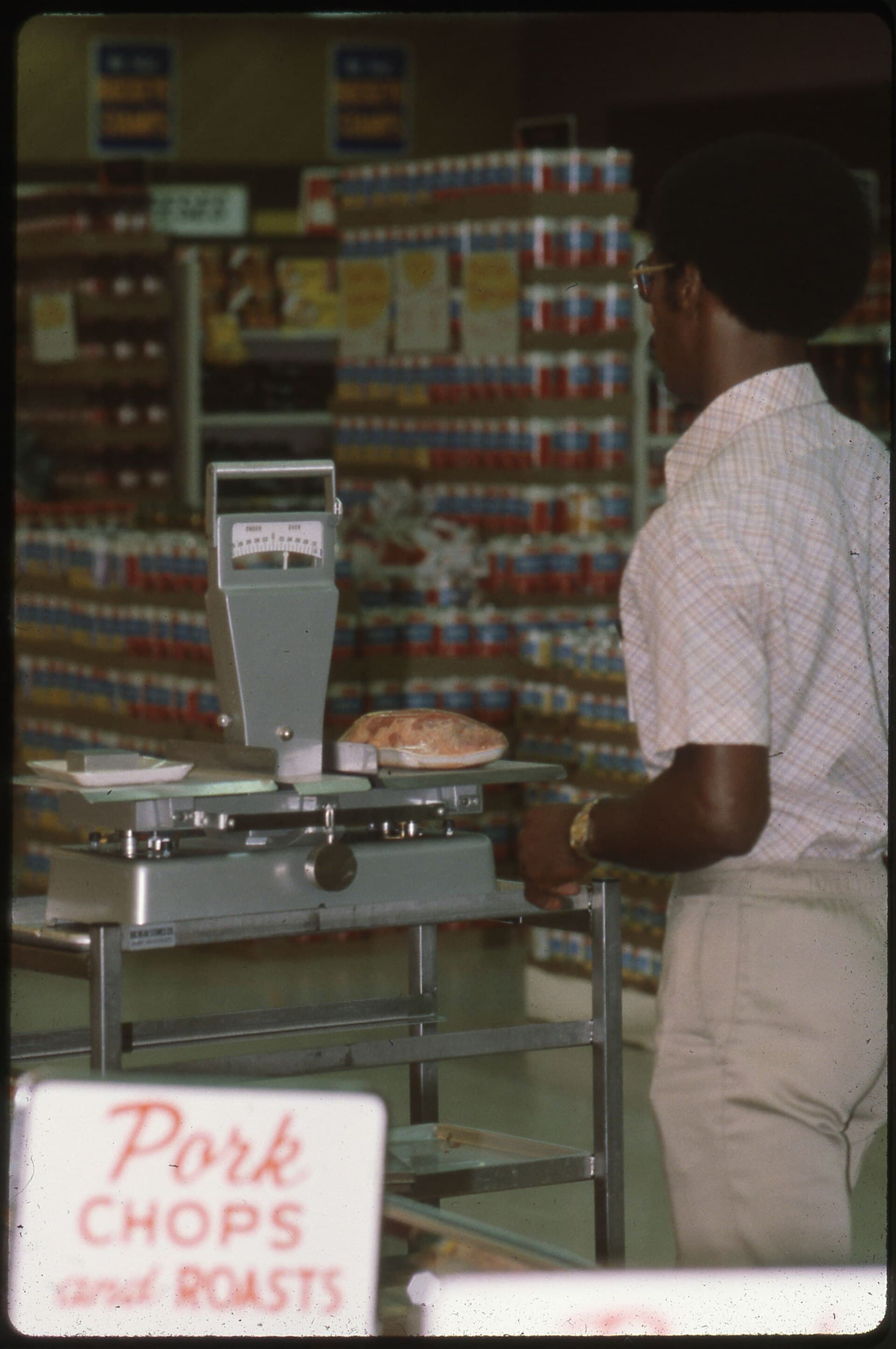
Why Pork Prices Can Feel Stubborn Even When Shoppers Pull Back
Soft spending data does not always translate into quick relief at the meat case. For shoppers, pork prices are shaped by a slower and more complicated chain than one bad consumer report.

Why a Meat Company’s Warning Matters to Your Grocery Routine
When a big food producer says shoppers are pulling back, it usually shows up first in the way people buy protein. For households, that’s a reminder to shop with flexibility instead of building meals around one expensive staple.

What Another Month of Spending Says About How Americans Shop Now
Steady retail growth doesn’t just mean people are buying more. It suggests shoppers are still making room for convenience, small upgrades, and value-focused habits even when budgets feel tight.

When Every Budget Line Starts Looking Like an AI Plan
As companies rush to fund AI projects, something less flashy can get pushed aside: the ordinary spending that keeps operations efficient and customers happy. For workers, shoppers, and small business owners, the real question is whether new tech budgets are solving practical problems or just soaking up attention.

What Slower Store Growth Really Means for Everyday Shoppers
When retail spending keeps rising but loses some momentum, it usually shows up first in the way stores promote, price, and trim inventory. For shoppers, that can mean a better window for practical buys—if you stay selective.

Why Big Summer Events Make Everyday Spending Feel Easier
When the calendar fills with trips, watch parties, and long weekends, people often loosen their grip on small purchases. For shoppers, the real trick is enjoying the seasonal mood without turning temporary excitement into permanent budget drift.

Why Shoppers Should Treat Big Retail Growth Forecasts as a Budget Signal
When retail leaders predict a stronger year ahead, shoppers can use that as a cue to get more deliberate. A growing sales outlook often means more promotions, more noise, and more temptation to spend past the plan.
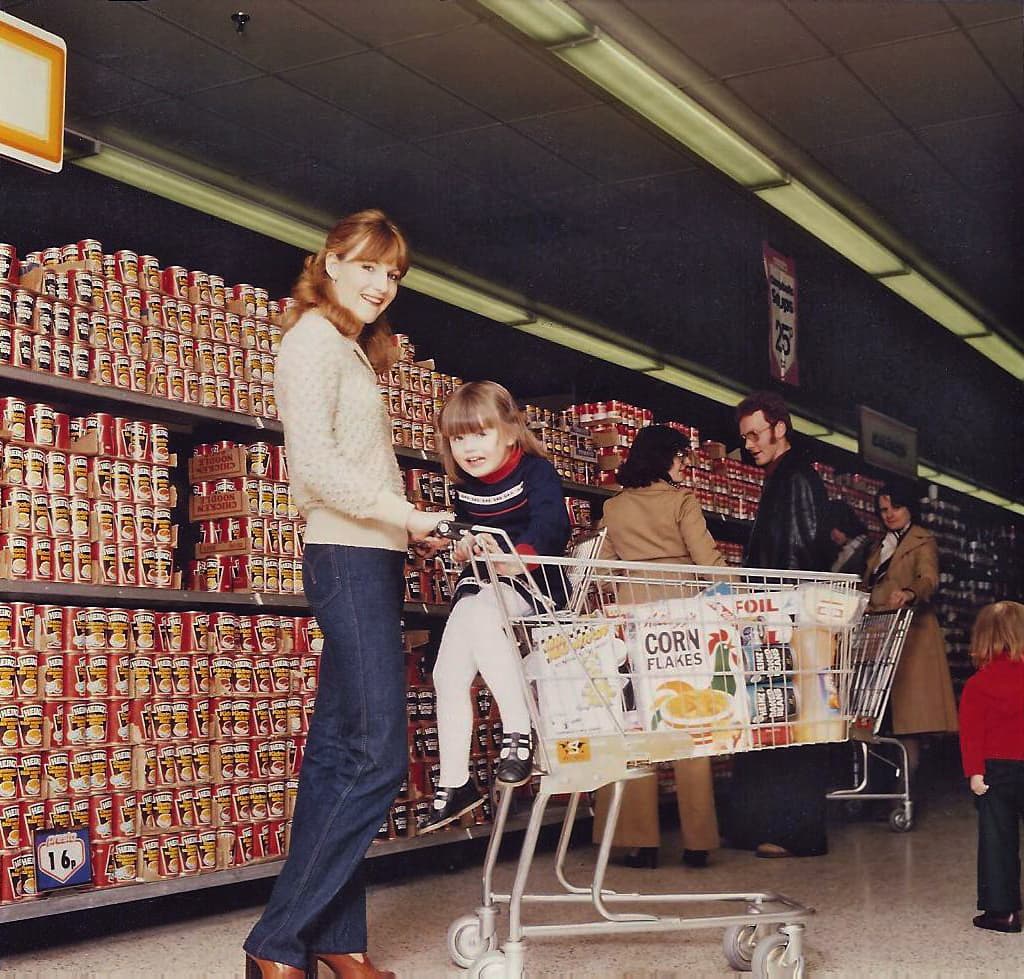
Why a Careful Shopping Month Can Still Be Good News
A slower shopping month doesn’t always mean consumers are retreating. For many households, it looks more like disciplined spending: fewer impulse buys, more replacement purchases, and a sharper focus on value.
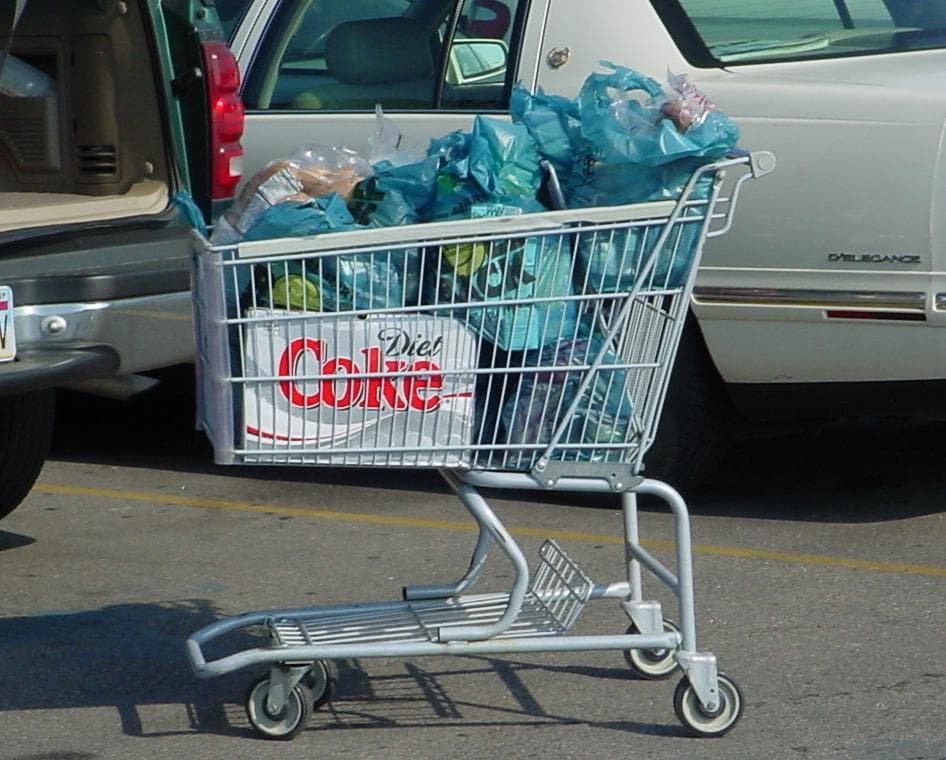
Why This Week’s Money Data Matters More Than the Market Chatter
A fresh batch of inflation and consumer data may say more about everyday budgets than any dramatic market headline. For households, the real question is whether spending pressure is easing or simply shifting to new categories.
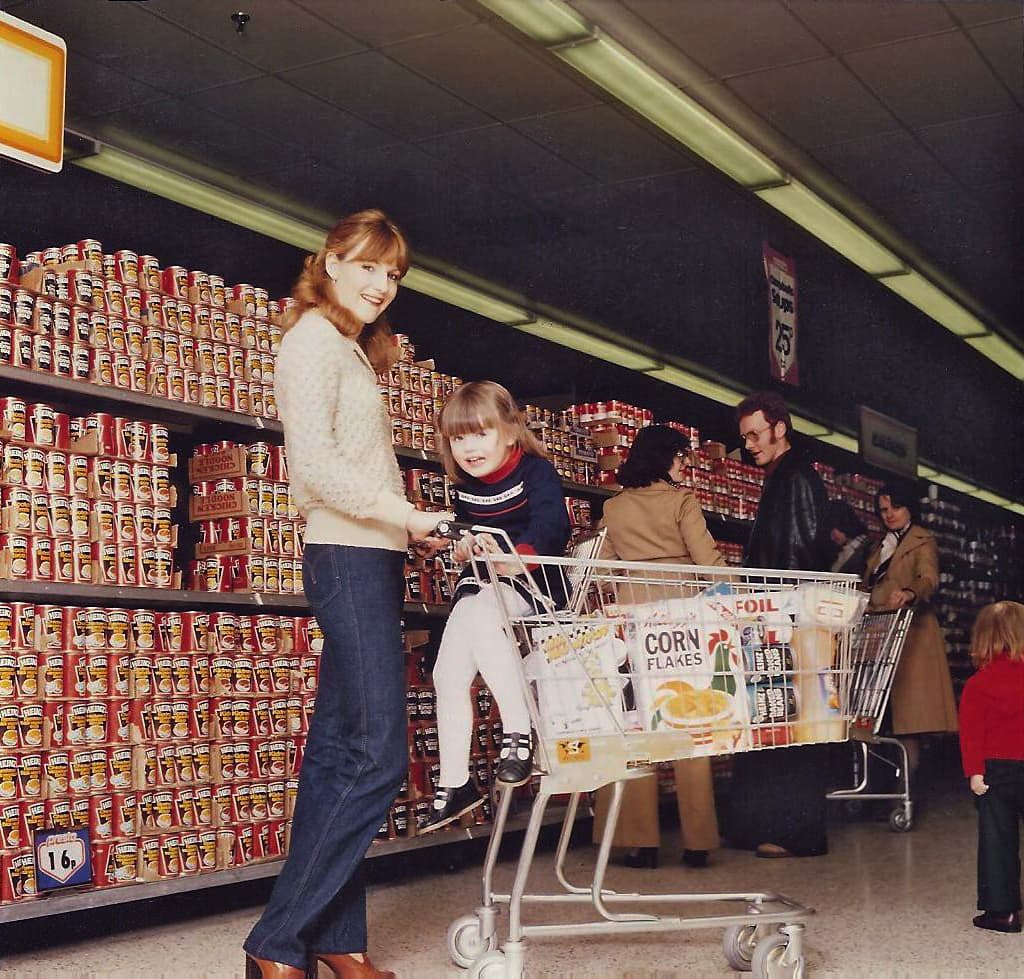
When Shoppers Get Nervous, the Cart Gets Smaller
Soft retail demand abroad is a reminder that consumer anxiety travels fast. For US households, the practical takeaway is simple: expect more caution, more deal-hunting, and fewer impulse buys.

What a Sales Snapshot Can Actually Tell You About Your Next Store Run
Big retail reports don’t just matter to economists. For everyday shoppers, they can hint at where stores may get more aggressive on promotions, inventory, and timing.
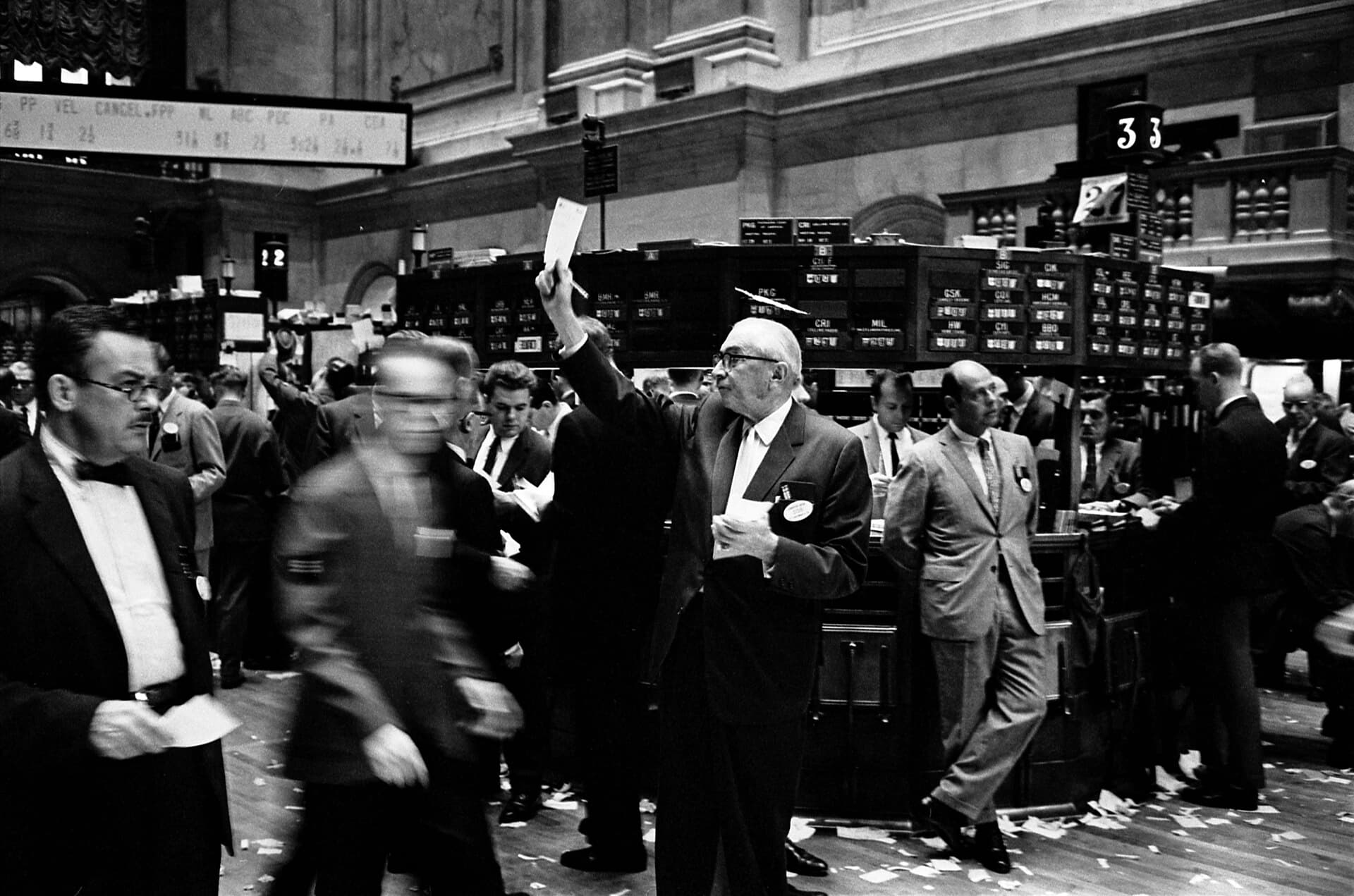
Why a Few Routine Reports Can Change the Mood of the Market
A fresh round of inflation and retail sales data may sound like inside-baseball finance news, but it shapes everything from borrowing costs to the tone of consumer spending. For regular households, the real question is whether shoppers are still buying freely or starting to pull back.

Why Upscale Furniture Stores Keep Finding Buyers
Higher-end furniture chains are benefiting from shoppers who still have room in the budget for home upgrades. For everyone else, the trend is a useful reminder to shop more deliberately and treat big home purchases like long-term equipment, not impulse decor.
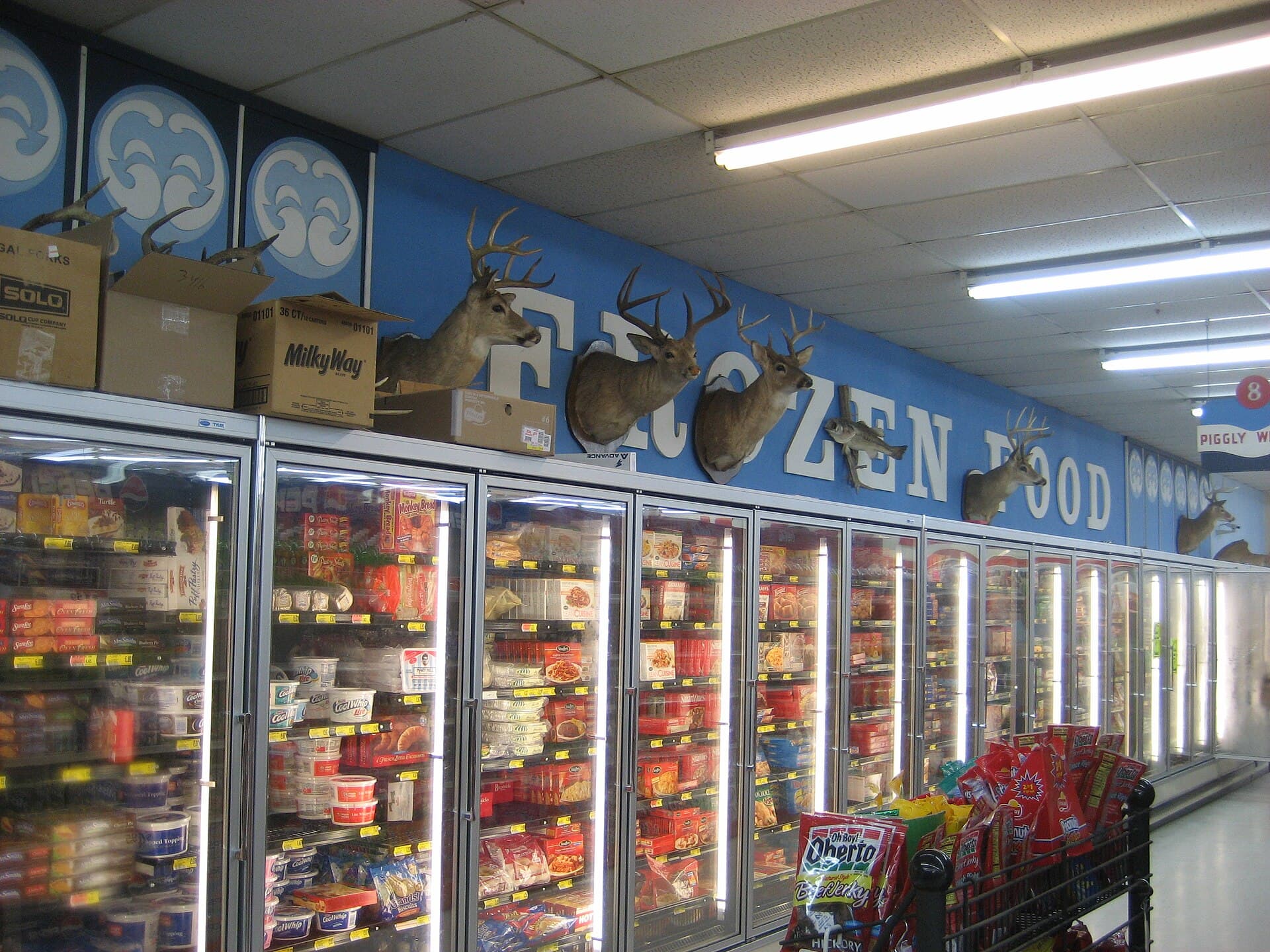
Why a Nervous Shopper in Europe Matters at Your Checkout Line
When consumers abroad pull back, American shoppers can feel it in quieter ways: slower promotions, inventory shifts, and a more cautious mood from global brands. It’s a reminder that everyday spending is tied to confidence as much as income.

What Store Receipts Say About How Americans Are Adapting
Retail snapshots matter less as a scorecard for the economy than as a clue to how households are adjusting in real time. For shoppers, the interesting story is where spending is getting more selective and more practical.

What Retail Sales Really Mean for Your Everyday Budget
Retail sales headlines can sound like a verdict on the whole economy, but for most households they matter most as a clue about where prices, promos, and pressure points may show up next. The useful move is to read them less like market news and more like a shopping forecast.

Why a Pullback in Spending Abroad Matters to Your Cart at Home
When households in a major economy get cautious, it can ripple into travel, retail, and everyday pricing elsewhere. For US shoppers, it’s a reminder that consumer confidence is fragile and smart buying habits still matter.

What Retail Reports Can Tell You Before Your Next Shopping Run
Big retail trend reports may sound abstract, but they often hint at where shoppers are pulling back, where stores may compete harder, and how to time everyday purchases a little better. For practical consumers, the value is less in the headline and more in what it suggests about pricing pressure ahead.

When Shoppers Get Jittery, the Cart Changes First
Retail slowdowns abroad are a useful reminder for US households: when people feel uncertain, they rarely stop spending all at once—they just become far more selective. That shift matters for how we shop, save, and judge what counts as a deal.
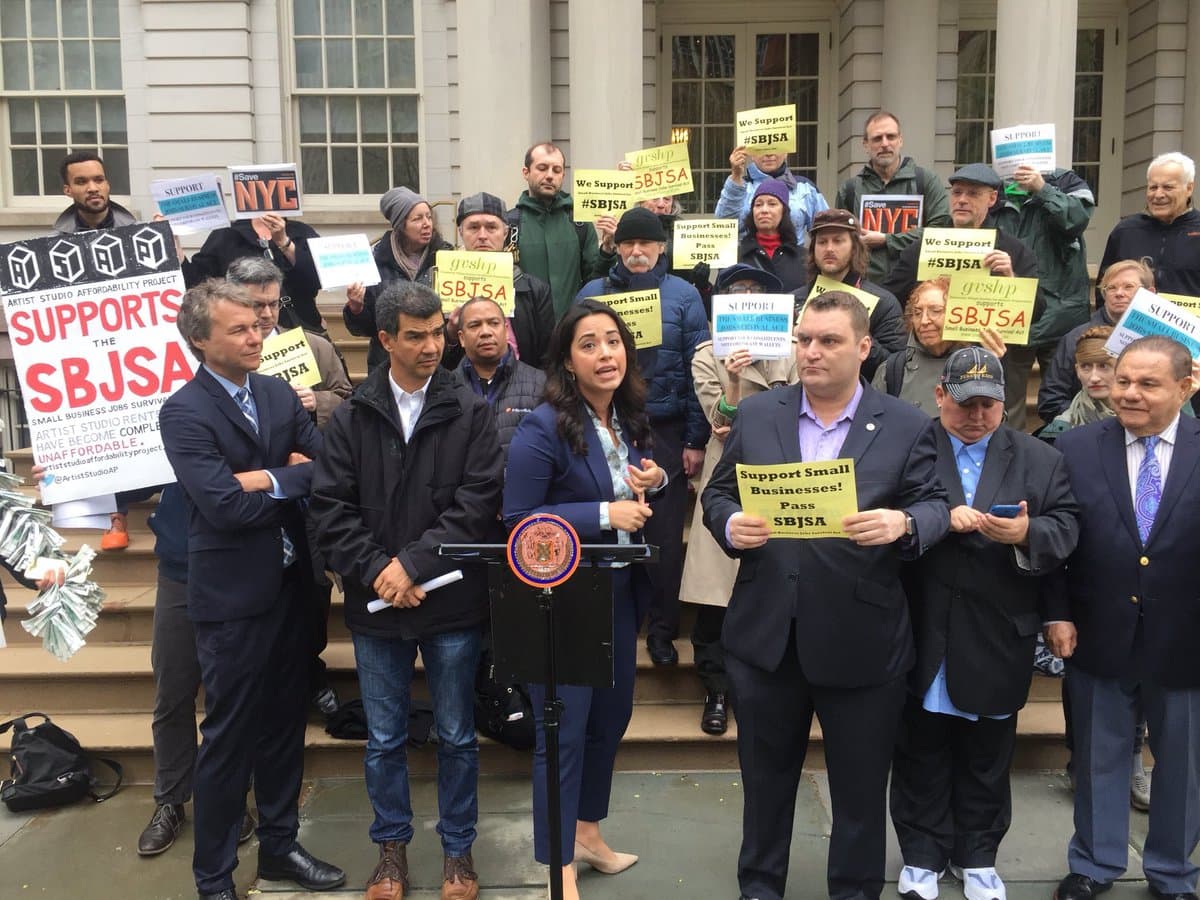
Why ‘Steady’ Can Feel Like a Win on Main Street
For small businesses, a flat month doesn’t always mean stagnation. In a high-cost economy, consistency can be its own kind of progress for owners and shoppers alike.

What a Slowdown in Europe Can Teach Your Grocery Budget
Weak retail spending abroad is a reminder that households everywhere are getting pickier about what feels worth buying. For US shoppers, the practical takeaway is less about panic and more about tightening the gap between routine spending and real value.
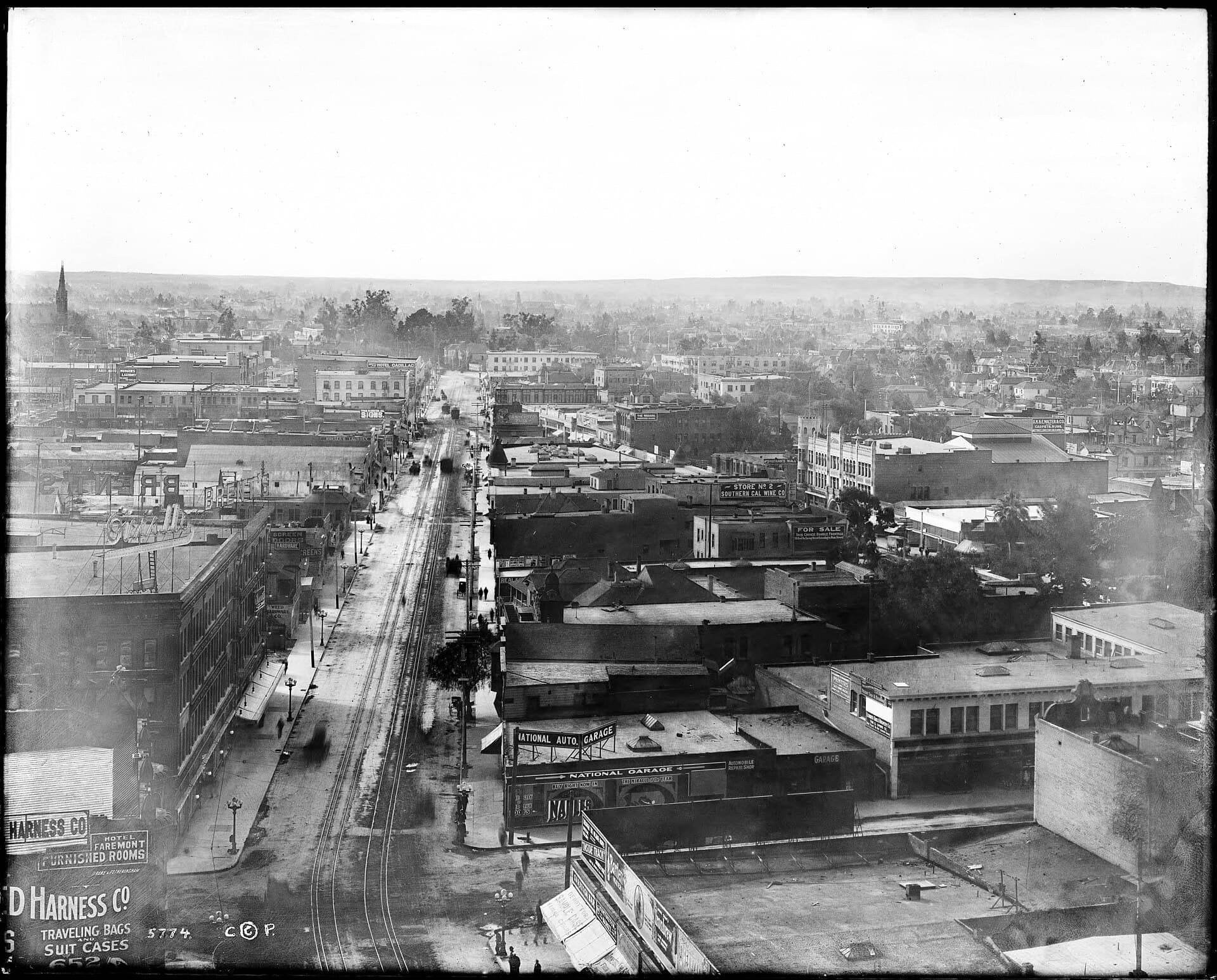
Why Households Are Still Spending Even When the Economy Feels Uneven
Business headlines may sound mixed, but many Americans are still making room for purchases that feel useful, time-saving, or hard to delay. The real story is less about confidence and more about where people think their money still works.

Why Everyday Payment Apps Are Turning Into Profit Machines
When a money app talks about better margins, that usually means it has figured out how to make more from habits people already have. For users, the real question is whether convenience keeps improving faster than fees, nudges, and feature clutter.

Why Europe’s Shaky Shopping Mood Matters to American Households
When shoppers abroad pull back, it’s not just a faraway business story. For US households, softer consumer demand in Europe can show up in travel timing, brand promotions, and a bigger reminder to buy with flexibility.

Why a Better Cash App Matters to Everyday Budgeting
When a payments app gets stronger financially, the real question for users is whether it becomes more useful, more stable, and less frustrating. For Americans juggling bills, side income, and split payments, that can matter more than Wall Street optics.

Why Wallet Apps Keep Winning Even When Shoppers Get Cautious
People may be watching every dollar, but they still want tools that make paying, splitting, and budgeting feel easier. That helps explain why money apps keep deepening their place in everyday life.
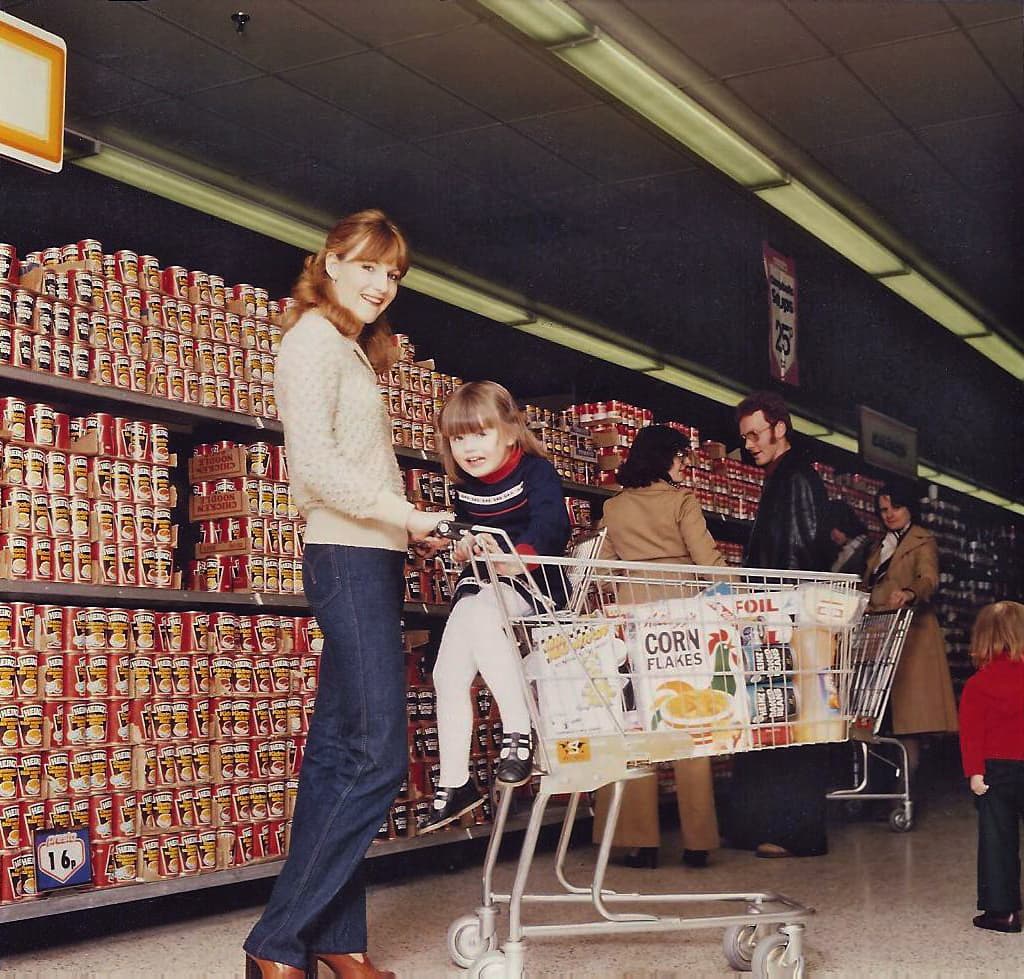
When Growth Cools, Everyday Buyers Start Reading the Fine Print
A slower economy doesn’t always arrive with dramatic headlines in daily life. More often, it shows up in how people compare prices, delay upgrades, and rethink what counts as worth it.
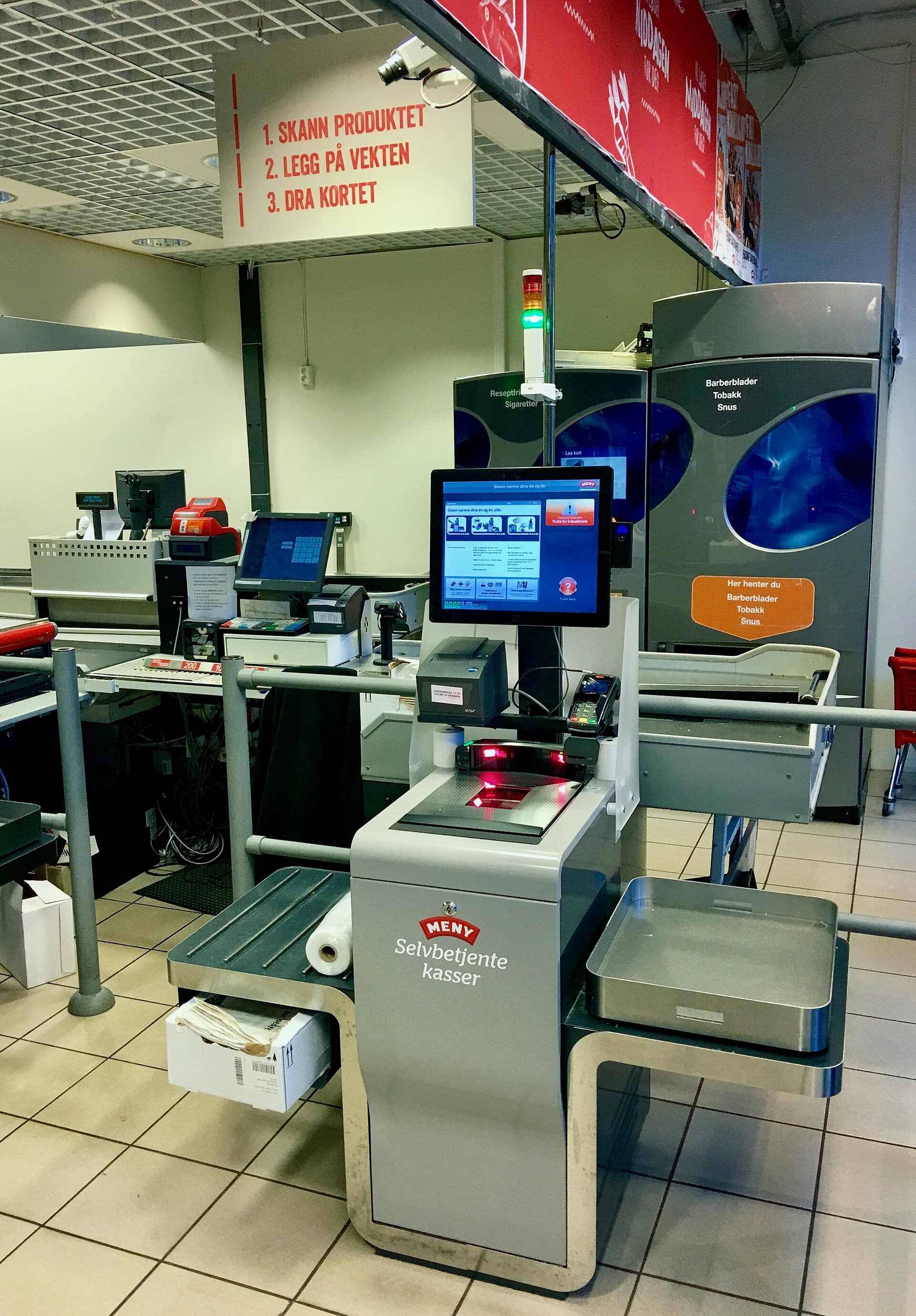
What Strong Checkout Data Really Says About Everyday Shoppers
When payment companies report healthy results, it often points to a simple reality: Americans are still spending, but with more intention. The bigger story for households is not confidence alone, but where people refuse to cut back and where they are getting more selective.

Why Everyday Spending Still Sets the Economic Mood
Big investment themes can dominate business coverage, but household spending is still the clearest read on how people actually feel. For consumers, the practical question is whether confidence is showing up in carts, bookings, and everyday routines.
Is Costco REALLY Worth It? We Compared Prices at 5 Stores and the Results are SHOCKING
The Ultimate Grocery Price Showdown: Aldi vs. Walmart vs. Target vs. Costco vs. Stop & Shop Snippet: Where can you find the absolute BEST deals on groceries in 2024? We compared…

Temu's Rise and Fall?: Can the Bargain App Overcome Growing Pains?
In the cutthroat arena of online shopping competition. A thrilling saga is unfolding, where a young contender is daring to challenge the reigning champion. Temu, a Chinese…

7-Eleven's $17 Billion Gamble: Will Japanese Flavors Save the Slurpee Empire?
Picture this: you stroll into your local 7-Eleven, not for a quick Slurpee fix or a questionable hot dog, but for a steaming bowl of ramen or a perfectly crafted sushi roll.…

Beyond the Can: The High-Octane Marketing Strategies of Red Bull
Ever wondered how a fizzy drink became synonymous with skydiving from the stratosphere and homemade flying machines? Buckle up, because we're about to dissect Red Bull's marketing…
Ditch the Mega-Mart, Embrace the Eco-Cart: Aldi's Sustainable Shopping Revolution
Grocery Shopping Reinvented: The Aldi Effect Imagine a grocery store where you breeze through your shopping list in under 20 minutes, your cart overflowing with high-quality…

Ever Craved a Snickers? The Marketing Masterminds Behind That Feeling
Ah, the early '90s - a time of grunge music, neon windbreakers, and the birth of a marketing campaign so iconic, it's still making us laugh and crave chocolate today. Snickers'…
Ever Heard of a Chocolate Bar That Taught the World How to Take a Break?
In the relentless hustle of modern life, where productivity reigns supreme and downtime is often viewed as a guilty indulgence. A humble chocolate bar dared to whisper a different…
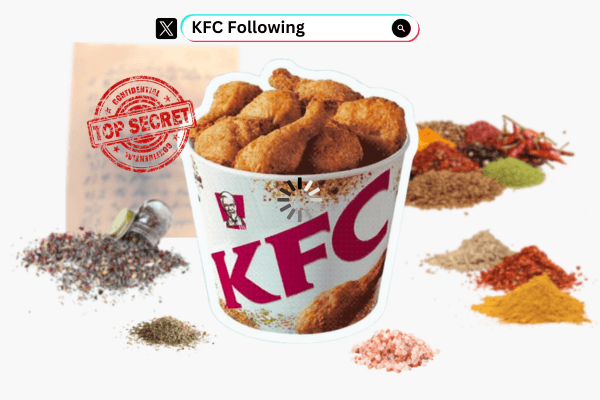
Unveiling the KFC 11 Herbs and Spices: Twitter Stunt
Unmasking the Colonel's Viral Recipe for Success Ever heard of a social media manager stumbling upon a million-dollar secret? Buckle up, because Mike Edgette did just that. One…
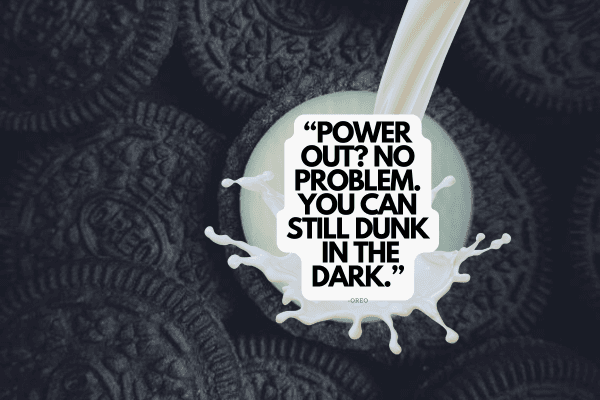
The Sweetest Marketing Playbook: How Oreo Mastered the Art of the Dunk (In the Dark)
Lights Out, Spotlight On: Real-time marketing lessons from Oreo When a Super Bowl Blackout Became Oreo's Golden Opportunity Picture the scene: Super Bowl 2013, the biggest night…